
Blog
Benjamin’s Expert Guide to Vintage Diamond Cuts and Shapes


Vintage diamonds are natural diamonds that were cut in the old style of diamond cutting. They’re, without a doubt, one of the most marvelous aspects of vintage jewelry. In this article, jewelry expert Benjamin Khordipour, will explain everything you need to know about vintage diamond cuts and shapes, how to identify them, and what to set them in.
Skip below for the directory of each vintage diamond.
What is a Vintage Diamond?
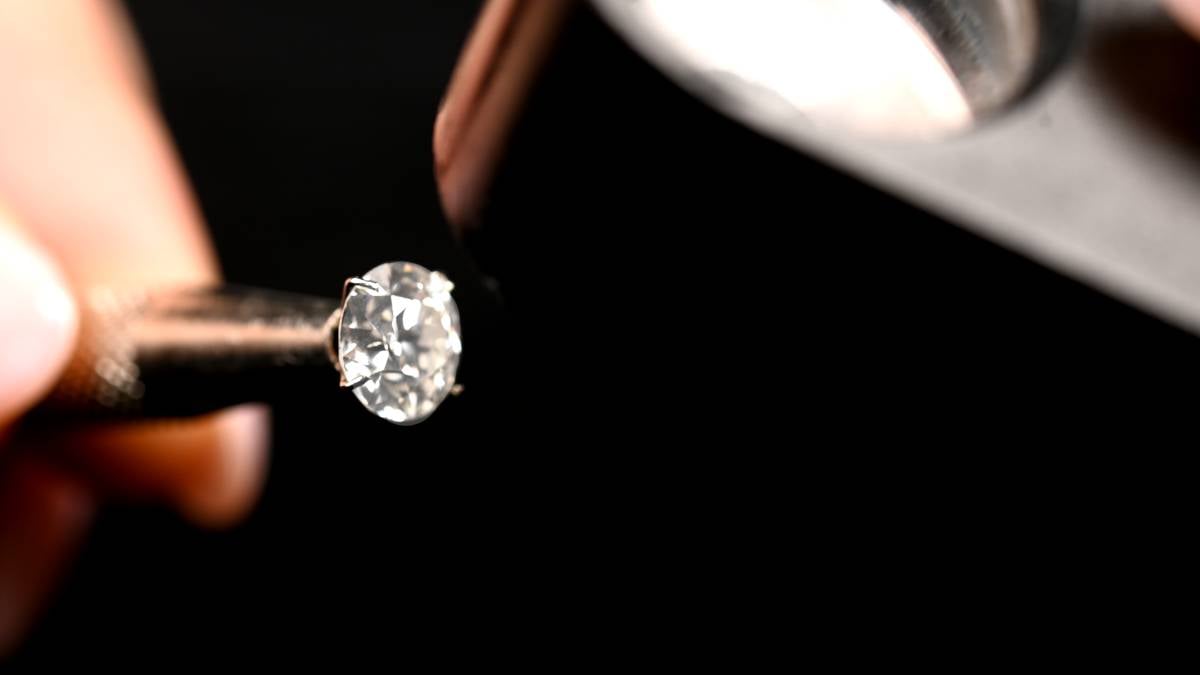
A vintage diamond is a diamond that was cut in an earlier era, before modern cutting standards and technology became the norm.
While the word “vintage” in most categories usually refers to something that is simply over 20 years old, in the world of diamonds it has a much more specific meaning, because collectors and jewelers are typically referring to diamonds that were cut decades earlier, often before 1960.
These stones come from a time when diamonds were shaped by hand and by early cutting methods, giving them a softer, more distinctive character and a completely different look than the highly engineered modern diamonds we see today.
Defining Qualities of a Vintage Diamond
A vintage diamond is defined not only by its age, but by the unmistakable cutting style and visual personality. These diamonds were shaped long before today’s “highly standardized”, machine-optimized cuts, and as a result, they tend to display a kind of charm that modern diamonds rarely replicate.
For serious collectors, the appeal of a vintage diamond lies in the fact that it carries both historical character and a distinct optical beauty that reflects the techniques and aesthetics of its time.
- Older Cutting Origins. Most vintage diamonds were cut before modern diamond technology became dominant, often prior to the 1900s, when cutting was more artisan-driven and less focused on mathematical precision.
- Chunkier, Broader Sparkle. Instead of the sharp, splintery brilliance of modern round diamonds, vintage cuts often produce bold flashes of light, sometimes described as “chunky fire.”
- Hand-Cut Personality and Imperfect Symmetry. Many vintage diamonds were shaped by hand or early tools, so they frequently show subtle asymmetry or unique facet patterns that give each stone individuality.
- Higher Crowns and Smaller Tables. Compared to modern diamonds, vintage cuts often have taller crowns and smaller table surfaces, contributing to their deeper, more romantic appearance.
- Visible Culets and Antique Proportions. Most vintage diamonds feature an open culet, a hallmark of older cutting styles that adds authenticity and period character.
Type of Antique and Vintage Diamond Cuts
There are many different types of vintage diamond cuts. Here’s the list and breakdown of the most important ones available in the current market.
Skip ahead: Old Mine Cut Diamond | Antique Cushion Cut Diamond | Old European Cut Diamond | Antique Rose Cut Diamond | Antique Asscher Cut Diamond | Antique Emerald Cut Diamond | Old Single Cut Diamond
1. Old Mine Cut Diamond

Number of Facets: 58
Date Range: Circa 1820 to 1920
Eras: Georgian, Victorian, Edwardian
Shape: Offshaped/Cushion
The old mine cut diamond is among the oldest antique and vintage diamond cuts still available for consumers. Its shape is easily recognizable because it was cut with very early diamond-cutting techniques and had a non-perfect oblong shape. It was also the first diamond to officially have 58 facets, making it the direct ancestor (through the Old European cut) of the modern brilliant cut diamond and the modern cushion cut.
The defining characteristics of the old mine cut diamond are a small but tall table, a very large culet, a frosted girdle, and a misshapen perimeter.
Old mine-cut diamonds are becoming increasingly rare, but the few remaining ones are usually found in engagement rings. Old mine engagement rings are so desirable right now that many vintage jewelers will remove old miners from old jewelry and set it into engagement rings.
Learn more | Shop old mine engagement rings
2. Antique Cushion Cut Diamond

Number of Facets: 58
Date Range: Circa 1880 to 1930
Eras: Victorian, Edwardian, Art Deco
Shape: Cushion
The antique cushion-cut diamond is a descendant of the old mine-cut diamond but with a more exacting shape and a larger table surface. It also has 58 facets, 33 on the crown, one large culet at the bottom, and 24 on the pavilion.
The defining characteristics of the antique cushion-cut diamond are a small table, a very large 8-angled culet, a frosted girdle, and a cushion-shaped perimeter. The actual perimeter height/width ratio will vary drastically from stone to stone.
The Antique Cushion Cut is one of the most recognizable diamonds in the vintage world (and my favorite vintage diamond cut). Like most antique diamonds, that were cut over 100 years ago, only few genuine ones are available for purchase.
Although the antique cushion cut diamond may look like the modern cushion cut from afar, it differs in many ways. Here’s some of the common differences between the antique cushion cut diamond and the modern cushion cut:
- The antique cushion cut will always feature a large culet
- Many of the modified modern cushions will have more than 58 facets
- Most antique cushion cuts will have a very tall crown (especially the older old-mine cushions)
- The antique cushion cut will usually feature a small table size
- The girdle in an antique cushion will usually be frosted (although some jewelry may foolishly correct this and facet the girdle)
Learn More | Shop antique cushion cut diamond rings
3. Old European Cut Diamond

Number of Facets: 58
Date Range: 1910 to 1950
Eras: Edwardian, Art Deco, and Mid-Century
Shape: Round (sometimes a little imperfect)
The old European cut diamond is, without a doubt, the most popular antique diamond on the current market. When someone says they want an antique diamond, they usually refer to the old European cut diamond.
Like its direct modern version, the old European cut diamond (round brilliant cut diamond) is round and has 58 facets. The facets are divided into 33 on the crown, one small but visible culet at the bottom, and 24 on the pavilion.
The old European cut is the least rare of all the antique diamonds, although it is still much harder to obtain than a modern diamond.
Characteristics of the Old European Cut Diamond compared to a modern brilliant cut diamond:
- The Old European will always contain a noticeable culet. The culet size may vary, but a genuine old Euro will always have a visible culet even without a loupe.
- Most Old European Cut Diamonds will have a small table and a high crown.
- Old European cut diamonds are not usually perfectly round. Antique diamonds were cut by hand, so the perimeter was not as accurately shaped as a modern diamond.
- The girdle of the old Euro will be frost-like instead of featuring the smooth polish of a modern diamond’s girdle.
Learn more about the Old European Cut Diamond | Shop old European Rings.
4. Antique Rose Cut Diamond

Number of Facets: 25 (24 on the crown and one facet at the back)
Date Range: Circa 1500 to 1940
Eras: Pre-Georgian, Georgian, Victorian, Edwardian, and Art Deco
Shape: All shapes (especially round, cushion, and misshapen)
The rose cut diamond is the oldest developed diamond cut in known existence. It was prevalent in the 16th – 18th centuries and only began to lose in popularity with the rise of the old mine cut and old European cut.
The earliest iterations of rose-cut diamonds are exceptionally crude, often with highly deformed facets and perimeters. This is partially due to aging and the lack of access to good jewelry tools.
The rose cut doesn’t have a pavilion, and even its crown doesn’t have a table but is made up of triangular facets that create its distinctive shape. Beneath the crown of the rose cut is a girdle. Antique rose cuts won’t have a smooth and polished girdle but will instead show a frosty (or matte-like) girdle. The back of the rose cut is flat and transparent.
The rose cut diamond has made a massive comeback in the past ten years and is trending strongly among vintage enthusiasts.
Learn more about rose cut diamonds | Shop Rose Cut Diamond Rings.
5. Antique Asscher Cut Diamond

Number of Facets: 58
Date Range: 1902 to 1940
Eras: Art Deco and Mid-Century
Shape: Octagonal
The Asscher Cut diamond was the original patent of the famous diamond-cutting Asscher Family in 1902. This vintage diamond cut remains fascinating even decades later. Technically speaking, an Asscher Cut diamond is just a square-shaped emerald cut.
Antique Asscher cut diamonds have a few characteristics that separate them from the modern Asscher cut:
- Antique Asscher cuts will have a very prominent culet at the very bottom.
- The corners of antique Asscher-cut diamonds are usually much more prominent than modern ones. Many antique Asscher cuts appear almost octagonal.
- Modern Asscher cuts will have a table percentage of approximately 65%, while antique Asscher cuts will be under 55%
- The crown of antique Asscher cut diamonds will usually be high and built up.
Learn more about Asscher Cut Diamonds | Shop Asscher Cut Diamond Rings.
6. Antique Emerald Cut Diamond

Number of Facets: 58
Date Range: 1920 to 1940
Eras: Art Deco and Mid-Century
Shape: Rectangle-ish
The Antique Emerald Cut diamond is one of the most famous step-cut diamonds. This cut, renowned for its flashes of brilliance, still mesmerizes with very little change to the original antique dimensions. The only obvious difference is the visible culet that is no longer visible in modern emerald cuts.
Finding antique emerald-cut diamonds is very challenging. Most collectors will only have a few genuine antique emerald-cut diamond rings.
The characteristics of the antique emerald cut diamond are very similar to the notable features of the antique Asscher cut diamond. The primary difference between the two cuts will be the dimensions of the actual stone. The antique emerald cut diamond is rectangular, while the Asscher cut is square.
Shop emerald-cut diamond rings.
7. Old Single Cut Diamond
Number of Facets: 18
Date Range: Circa 1800 to 1950
Eras: Georgian, Victorian, Edwardian, and Art Deco
Shape: Round-ish
The old single-cut diamond is one of the first round-cut variations, and although it is rare to see it as the featured diamond in jewelry, it was extremely popular as an accent stone. Most jewelry (especially rings) from the early 1800s until the 1930s had single cuts on the side. From 1930 onwards, old European cuts became more popular, and single cuts began to fall out of style.
Unlike the old mine cuts of the same era, which showcased 58 facets, the old single-cut diamond has nine facets on the crown, one culet, and eight facets on the pavilion. The older single cuts will have a very large culet, while the later ones (the 1930s and on) will have tiny culets that won’t be visible without a loupe.
Pros and Cons of Vintage Diamonds
One of the greatest advantages of vintage diamonds is the depth of character they offer compared to modern cuts. These stones were shaped in an era when diamond cutting was guided more by craftsmanship and visual artistry than by strict mathematical precision, which gives them a softer, more romantic brilliance.
Many collectors are drawn to their bold flashes of light, distinctive facet patterns, and the feeling that no two vintage diamonds look exactly the same.
There is also a strong sense of rarity and authenticity, since true vintage diamonds come from a limited historical supply and often carry a collectible value that goes beyond simple carat weight.
Additionally, vintage diamonds are known to “face-up” far whiter than modern diamonds. This means that a vintage J color diamond, for example, will usually look much whiter than a modern J color diamond when looking from above.
At the same time, vintage diamonds can come with a few considerations that serious buyers should understand. Because many were cut by hand, they may show less symmetry than modern diamonds, and their light performance may appear different, especially under bright showroom lighting where modern cuts are optimized to sparkle intensely.
Vintage stones can also be more difficult to compare using standard grading expectations, and some may have wear, small chips, or older proportions that require expert inspection.
For buyers who appreciate individuality, history, and old-world beauty, these trade-offs are often part of the appeal, but they also highlight why purchasing vintage diamonds should ideally be done through experienced specialists.
How Much Do Vintage Diamonds Cost?
Vintage diamonds usually cost about the same as modern diamonds of comparable quality.
That being said, rare vintage diamonds, such as large old-mine-cuts or stones from prestigious historical periods can sometimes command a premium. Additionally, because the vintage diamond market is very small, jewelers will usually be far more interested in purchasing a vintage diamond than a modern diamond.
In short, while everyday vintage diamonds may be priced comparably to modern ones, unique or rare vintage pieces often cost more. This may continue further as demand grows and supply dwindles.
Talk to a Jewelry Expert
Are you looking for antique or vintage diamond cuts for your jewelry or collection? Feel free to contact Estate Diamond Jewelry. We will respond within one business hour.
Final Note
There are so many websites selling vintage-style engagement rings, yet they fail to incorporate an antique diamond. Learning the different antique cut shapes and discovering which shape suits your personality should be one of the first steps in buying an antique ring.
Many of these cuts can be seen in our vintage engagement rings with antique diamonds, including old mine, old European, and antique cushion cuts.
See the info-graph below to see examples of the different diamond cuts.

