
Blog
17 Types of Engagement Ring Settings and Styles


Choosing the right engagement ring setting is just as important as choosing the diamond itself and it affects the ring’s appearance, security, and overall impact for a lifetime. This guide is written by Benjamin Khordipour, a celebrated author, gemologist, celebrity jeweler, and renowned lecturer in the world of antique and fine jewelry.
Jump Ahead: Prong and Solitaire Setting | Tiffany Prong Setting | Bezel Setting | Halo Setting | Pavé Setting | Three Stone Setting | Tension Setting | Cluster Setting | Vintage Setting | Split Shank Setting | Crown Setting | Channel Setting | East-West Setting | Organic Motif Setting | Dome Setting | Elongated Setting | Retro Setting | Tension Setting
Note: All the pictures below are from rings from our jewelry collection.
1. Prong and Solitaire Ring Setting

Look: Classic and Timeless | Stone Security: Moderate to High (depends on number of prongs) | Best For: Solo diamonds, especially Round and Oval cuts | Height Profile: Medium to High | Age of Style: Mid-1800s to the present
The prong setting is the most iconic and widely recognized engagement ring style. It features slender metal claws (usually four or six) that securely grip the diamond and hold it above the band. This design elevates the center stone, allowing light to enter from multiple angles and maximize brilliance. The light usage of metal gives the ring an open and elegant appearance, putting the diamond front and center. While most commonly seen with round brilliant cuts, prong settings also work beautifully with oval, cushion, and all other types of diamond shapes.
One of the biggest advantages of the prong setting is its ability to let in lots of light and maximize the diamond’s sparkle. Additionally, it’s a timeless style that fits well in both antique and modern motifs.
Prongs are also relatively easy to adjust or repair as needed, making this a practical choice for long-term wear.
On the downside, the prongs, being elevated, will leave the diamond slightly more exposed. This means that the prongs can occasionally snag on fabric or loosen over time. That said, with routine maintenance, the prong setting remains one of the most beloved options for engagement rings.
2. Tiffany-Prong Ring Setting

Look: Classic and Iconic | Stone Security: Medium | Best For: Round Brilliant center stones | Height Profile: High | Age of Style: 1886 to the present
The Tiffany-prong setting is a niche interpretation of the standard prong setting. It was introduced by Tiffany & Co in 1886. It features six slim prongs that raise the diamond above the band, allowing maximum light and enhancing the stone’s sparkle. The prongs are usually spaced evenly part from each other, creating a floating effect that draws all the attention to the diamond. This ring style is typically paired with a simple metal band (or a knife edge), and is designed to highlight the center stone without any distraction.
This setting style is so popular that it is commonly used as the standard icon-representation for an engagement ring.
This setting’s greatest strength lies in its ability to amplify sparkle while maintaining a timeless, elegant style. The six-prong structure offers excellent security, holding the diamond more securely than the four-prong alternative. It’s especially ideal for round diamonds, as the symmetry of the setting enhances their shape and fire.
Important Note: The ring doesn’t need to be made by Tiffany & Co. in order to qualify for this style.
3. Bezel Ring Setting

Look: Minimalist and Modern | Stone Security: High | Best For: Active lifestyles, antique cuts, colored stones | Height Profile: Low to Medium | Age of Style: Ancient time to present
The bezel ring setting typically features a delicate metal rim that surrounds the primary diamond, holding it securely in place. Instead of using prongs, the bezel wraps around the edges of the stone (either fully or partially), creating a smooth and protective frame.
This design style offers a clean look, and is especially popular with those who prefer understated elegance. While it’s commonly seen with round diamonds, bezel settings are also popular for antique cuts, step cuts, or colored gemstones.
Often jewelers will use the metal bezel frame to help mask slight imperfections and enhance the stone’s shape.
One of the main advantages of the bezel setting is its exceptional security. In a full-bezel, the diamond will be completely encased along the girdle. This will mean that it is far less likely to chip or become loose over time. Bezel settings are an excellent choice for those with an active lifestyle. Additionally, unlike prongs, the bezel won’t snag on clothing or hair.
On the downside, the bezel’s metal rim can slightly reduce the visible surface area of the diamond, which may soften its brilliance compared to more open settings.
4. Halo Ring Setting

Look: Glamorous and Eye-Catching | Stone Security: High | Best For: Enhancing smaller center stones, adding sparkle | Height Profile: Medium | Age of Style: 1920s (Art Deco) – Popular Today
The halo ring setting showcases a center diamond that is encircled by a frame of smaller accenting gemstones. Halo designs will amplify the center diamond’s brilliance and visual impact.
The halo style ring has deep roots in Art Deco design, but has seen a major resurgence in modern bridal trends. Additionally, halo ring settings are most commonly used for engagement rings that feature a round, cushion, oval or pear cut diamond.
The biggest advantage of the halo setting is its ability to maximize sparkle while giving the illusion of a larger center stone, making it a budget-friendly option for achieving a bold look. It also provides added protection for the center diamond by surrounding it with a buffer of smaller stones. However, halo settings (that aren’t crafted well) can be harder to clean due to the many crevices and may require more maintenance over time to ensure the small diamonds remain secure. For brides who want glamour, brilliance, and a touch of vintage charm, the halo setting delivers in every direction.
5. Pavé Ring Setting

Look: Elegant and Sparkly | Stone Security: Moderate | Best For: Adding subtle brilliance to the band | Height Profile: Low to Medium | Age of Style: 1700s (French origin) – Popular in Modern Designs
The pavé setting (from the French word for “paved”) is usually a modern style that features small diamonds set closely together along the surface of the band. The intention of this style is to show minimal visible metal. The result is a continuous sparkle, as if the ring has been paved with tiny stones. Jewelers typically try their best to secure the diamonds with tiny beads or prongs, allowing light to reflect from all angles.
The main appeal of the pavé setting is its luxurious shimmer. It adds brilliance without overwhelming the center stone, making it an excellent choice for those who want subtle glamour. Pavé setting can elevate simple ring styles and works beautifully with vintage-inspired or modern designs.
It is important to note that pavé rings require careful handling. The stones are small and lightly held. They’re vulnerable to loosening over time.
6. Three Stone Ring Setting
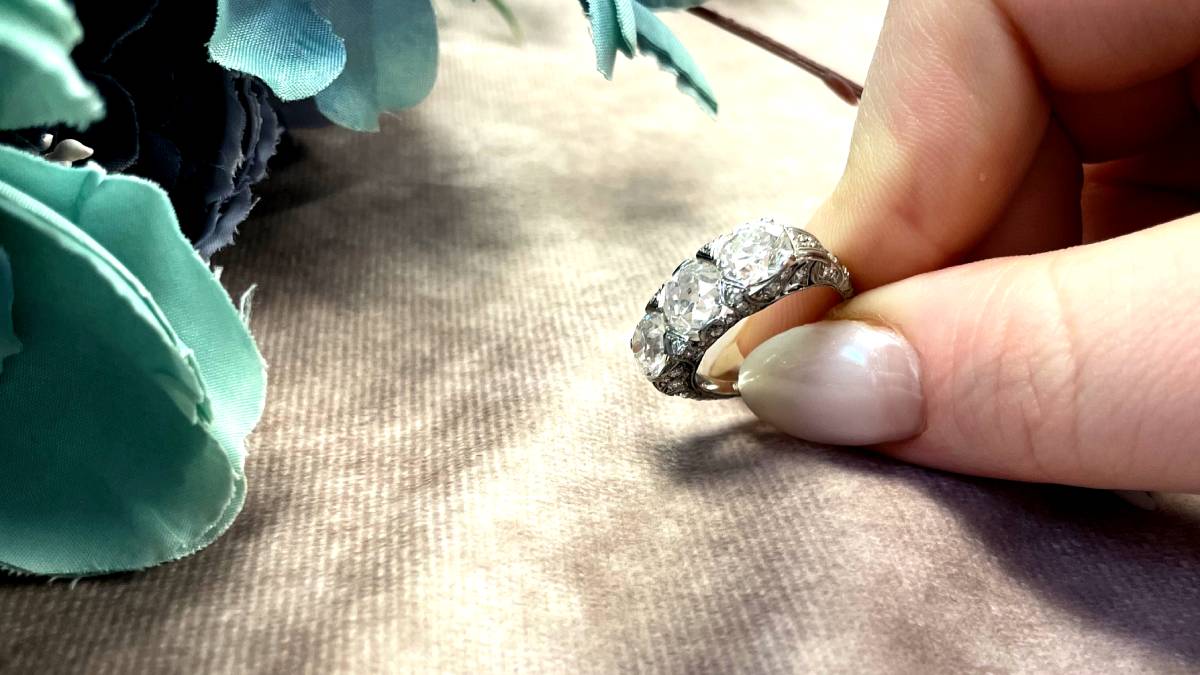
Look: Symbolic and Balanced | Stone Security: Medium | Best For: Meaningful designs | Height Profile: Medium | Age of Style: Late 1700s until present
The three-stone ring setting features a center diamond that is flanked by two side stones that sit right next to it. Traditionally, the three stones are said to represent the “past, present, and future” of a relationship. This style is especially meaningful for engagements that fall out on life-milestones or meaningful anniversaries.
The center diamond is usually the largest of the three gemstones. Typically the two side stones are the same shape as the primary stone, tapered baguettes, half-moons, trapezoids, or smaller round-cuts. This arrangement enhances the overall size and brilliance of the ring while offering extra character and symmetry.
One of the key advantages of the three-stone ring setting is its versatility. This style allows for creative combinations of diamond shapes and even mixes of gemstones (like diamonds or sapphires). The extra side stones also enhance the ring’s brilliance and finger coverage without relying solely on the center stone.
This style may require more maintenance over time. More gemstones mean more things to monitor.
7. Cluster Halo Ring Setting
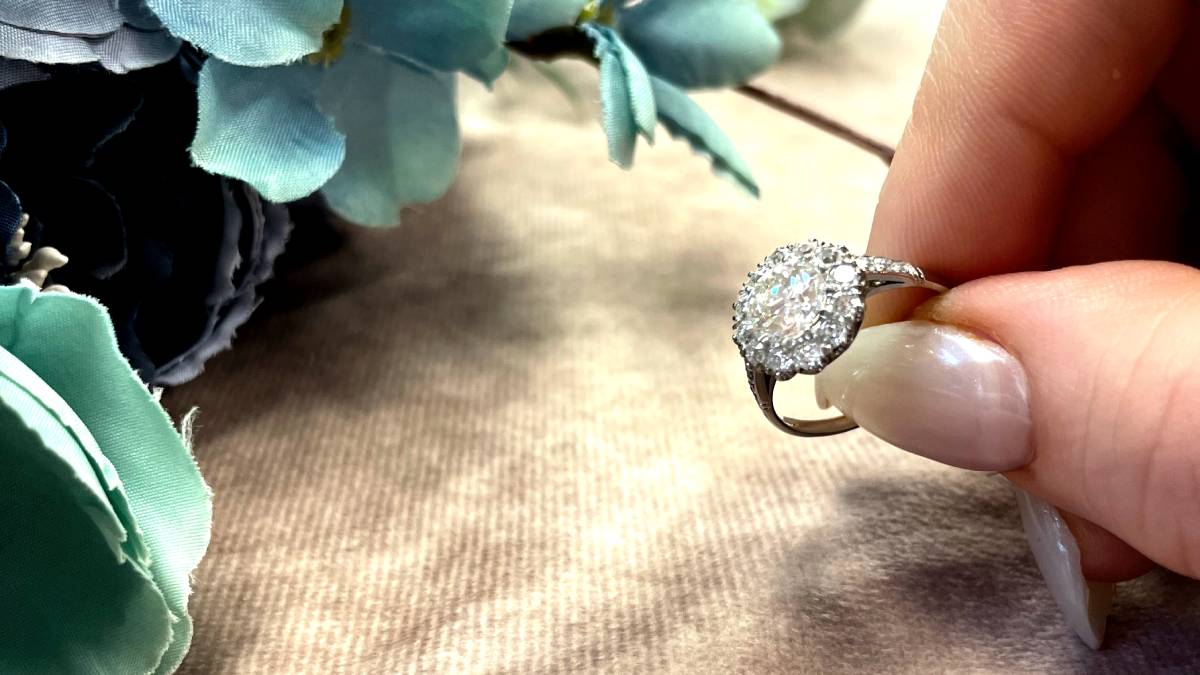
Look: Ornate and Vintage-Inspired | Stone Security: High | Best For: Achieving a large, bold look with smaller stones | Height Profile: Medium | Age of Style: Victorian Era to the present
The cluster halo setting combines two concepts: a halo design and a cluster of smaller diamonds grouped together to form the center. Instead of relying on one large stone to tell the story, this style uses multiple smaller diamonds arranged in a floral or starburst pattern. This design builds upon the regular halo design and give the design much more flair. The result is a dramatic appearance that mimics the look of a much larger center stone. This setting is often seen in vintage and antique rings but has also made a strong comeback in modern, romantic-inspired rings.
The main advantage of the cluster halo setting, like the regular halo setting, is its ability to deliver a massive visual impact without having to invest in a large center diamond. Additionally, the cluster halo is very desirable for those who appreciate Edwardian-era vintage charm. The smaller stones offer more opportunities to play with shapes and layout. They help distribute light in a glittering, eye-catching way.
That being said, because this style includes many tiny stones, the setting may require more careful maintenance to ensure none come loose.
8. Vintage Ring Setting
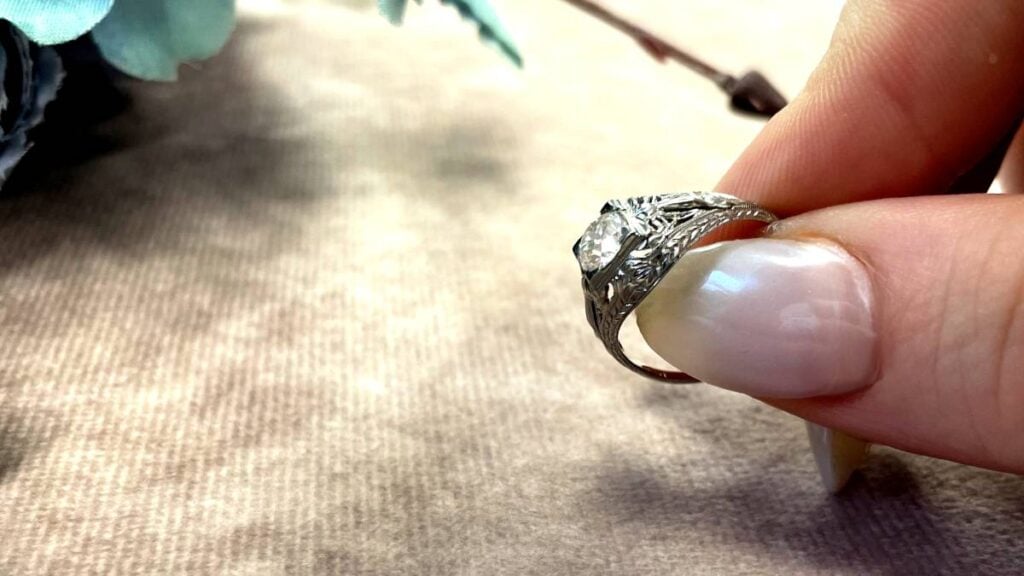
Look: Romantic and Ornate | Stone Security: Moderate to High (varies by style) | Best For: Antique cuts, heirloom designs, unique details | Height Profile: Medium | Age of Style: 1800s–1950s (Victorian to Retro Eras)
The vintage setting refers to engagement rings designed in or inspired by earlier eras, including Victorian, Edwardian, Art Deco, and Retro periods. These settings often feature intricate metalwork, hand-engraving, milgrain detailing, and filigree. Diamonds in vintage rings are often antique cuts, such as old mine, old European or rose cuts, and may be paired with colored gemstones, platinum mountings, or yellow gold bands.
The beauty of a vintage setting lies in its artistry and character. These rings appeal to those who appreciate history, romance, and non-mass-produced designs. They often make meaningful heirlooms or conversation pieces and are a favorite for couples who want a ring that feels soulful and distinctive.
On the other hand, vintage rings may require more careful maintenance, especially if the setting is delicate or features older stones.
Note from Benjamin: It is important to note, that although we’ve placed “vintage setting” as its own category, because it isn’t actually a unique style, it will need to also be combined with one of the other styles on this list.
9. Split-Shank Ring Setting
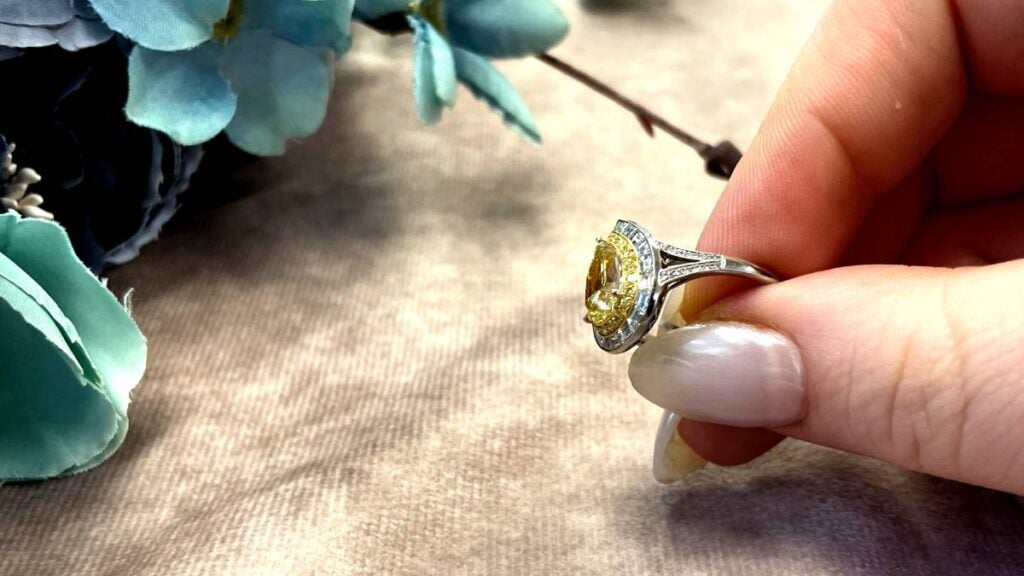
Look: Elegant and Sculptural | Stone Security: Moderate to High | Height Profile: Medium | Age of Style: Early 1900s to present
The split-shank ring setting is different from other ring designs in that it features a band that divides into two strands as it approaches the center stone. This design creates a graceful and open framework around the diamond.
This style adds dimension and visual interest to the ring while drawing the eye toward the center. The split can be subtle and delicate or wide and dramatic, and the bands are often embellished with pavé diamonds, milgrain detailing, or clean polished finishes. The split-shank style works beautifully with a range of diamond shapes, especially round, oval, pear, and cushion cuts.
One of the biggest advantages of the split-shank setting is its ability to make a center stone appear larger and more prominent. The extra metalwork adds elegance and flair without overwhelming the design. It also offers more room for creative detailing or personalization.
It is important to note, though, that the setting can be slightly harder to clean. Additionally, resizing may be more complex than with a traditional band.
10. Crown or Cathedral Ring Setting

Look: Regal and Elevated | Stone Security: Moderate to High | Height Profile: High | Age of Style: 1800s to present
The cathedral setting (also known as the crown setting) features sweeping arches of metal that rise from the top of the band to support the center diamond. It resembles the architecture of a cathedral or a crown. These elegant arches create a raised profile that lifts the diamond high above the band, allowing for greater light exposure and visual drama. The diamond is often secured with prongs, but the structural support of the cathedral shoulders adds both strength and sophistication to the design. This setting pairs beautifully with round brilliants, cushions, and antique-cut stones.
The cathedral setting is very popular for its timeless elegance and its ability to give the ring a grand, sculpted silhouette. The elevated height draws attention to the center stone, making it a great choice for those who want a classic but bold presence on the finger. It also adds structural integrity without adding too much visual weight.
It is important to note that the raised profile can catch on clothing or gloves and may require more mindful wear.
11. Channel Ring Setting
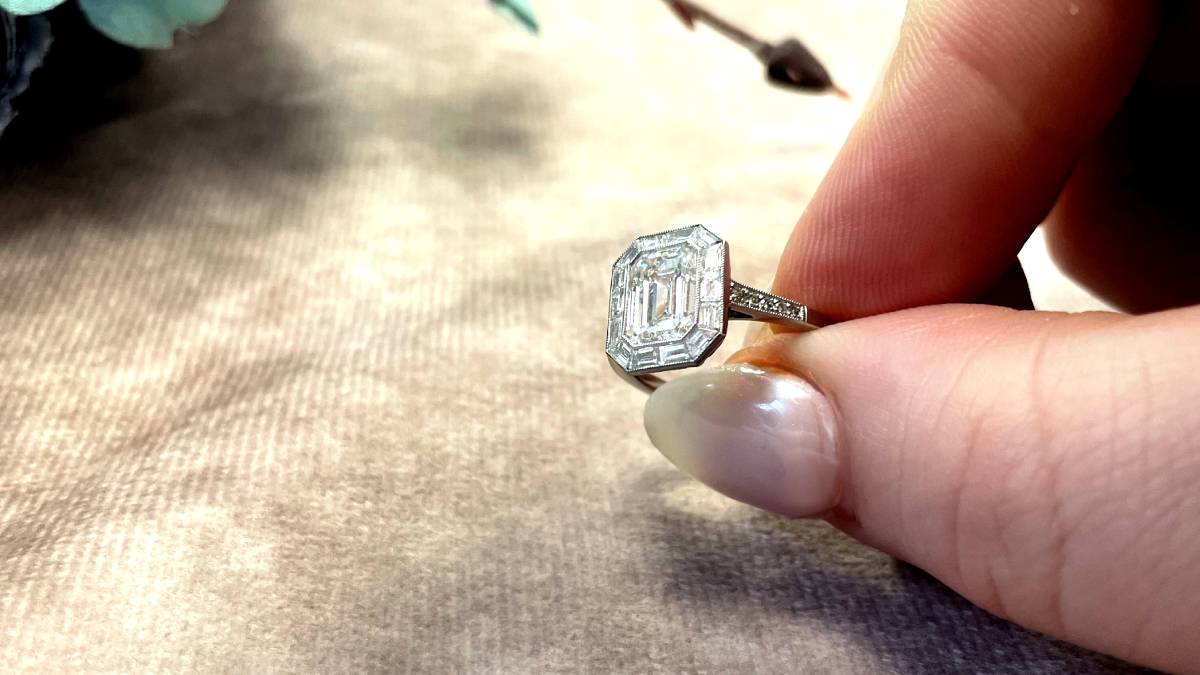
Look: Sleek and Structured | Stone Security: High | Best For: Side diamonds or accent stones | Height Profile: Low to Medium | Age of Style: Early 1900s – Popularized in Modern Styles
The channel setting features a row of small diamonds or gemstones set between two parallel walls of metal, forming a “channel” that securely holds the stones in place. Unlike pavé settings, there are no prongs or beads between the stones. The stones sit flush with the band, giving the ring a clean, contemporary appearance. Channel settings are often used for side stones or halos on engagement rings and can be paired with a variety of center stone settings.
One of the main benefits of the channel setting is its durability and secure construction. The enclosed design protects the edges of the stones and reduces the risk of snagging or chipping, making it ideal for active wearers. It also adds extra sparkle to a ring without overshadowing the center stone.
Because the stones are tightly set within the metal, it can be more difficult to clean between them, and resizing may be limited depending on the design. Overall, the channel setting is a smart, stylish option for those who want added brilliance with a smooth, practical finish.
12. East-West Ring Setting
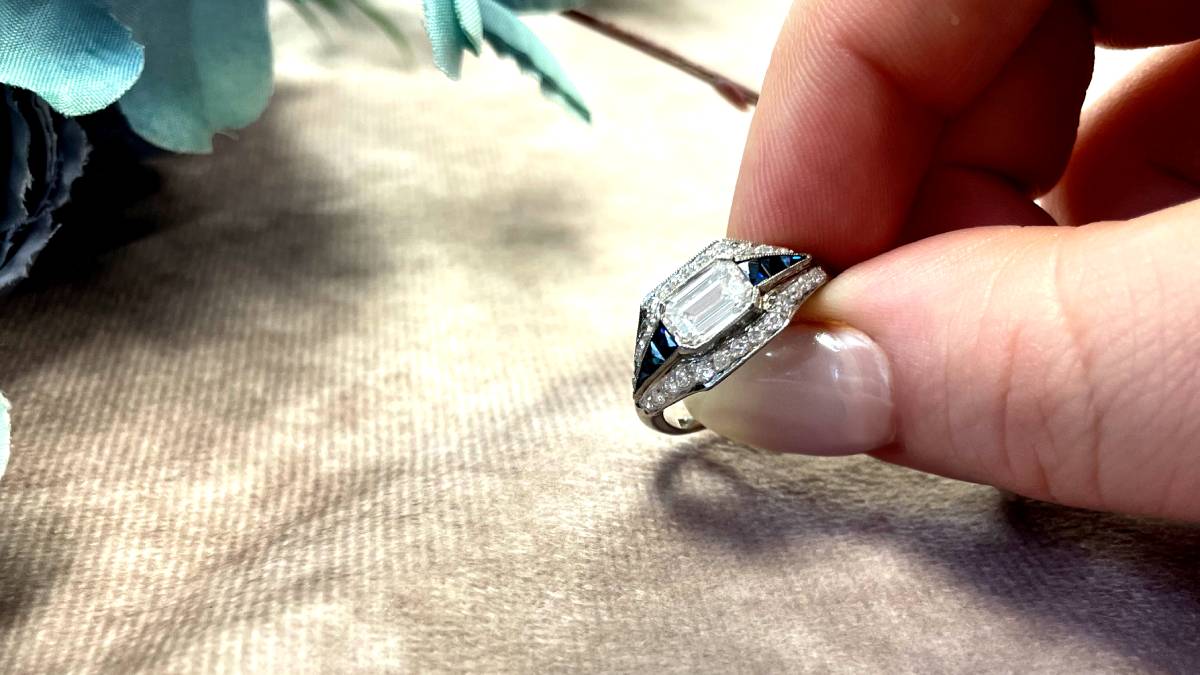
Look: Modern and Unique | Stone Security: Moderate to High | Best For: Elongated shapes like Oval, Emerald, and Marquise | Height Profile: Low to Medium | Age of Style: Contemporary (Revived in 21st Century)
The East-West setting flips tradition on its side. Instead of positioning the diamond vertically along the finger (north-south), this setting orients an elongated stone horizontally. The diamond spans the width of the finger instead of its lenth. The result is a fresh, eye-catching silhouette that stands out from conventional engagement ring designs. Commonly used with ovals, emerald cuts, marquise, and even radiant diamonds, the East-West style often features minimalist bands or bezel settings to keep the look sleek and balanced.
The East-West setting is ideal for brides who want something ultra-modern, stylish, and slightly unexpected. It gives a flattering and elongating effect across the finger while maximizing the presence of the stone. This design is also often more comfortable, thanks to its lower profile and streamlined shape.
On the flip side, this design may not suit everyone’s taste, especially those looking for a traditional look. Still, for those who appreciate bold simplicity and contemporary flair, the East-West setting makes a confident, artistic statement.
13. Organic Motif Ring Setting
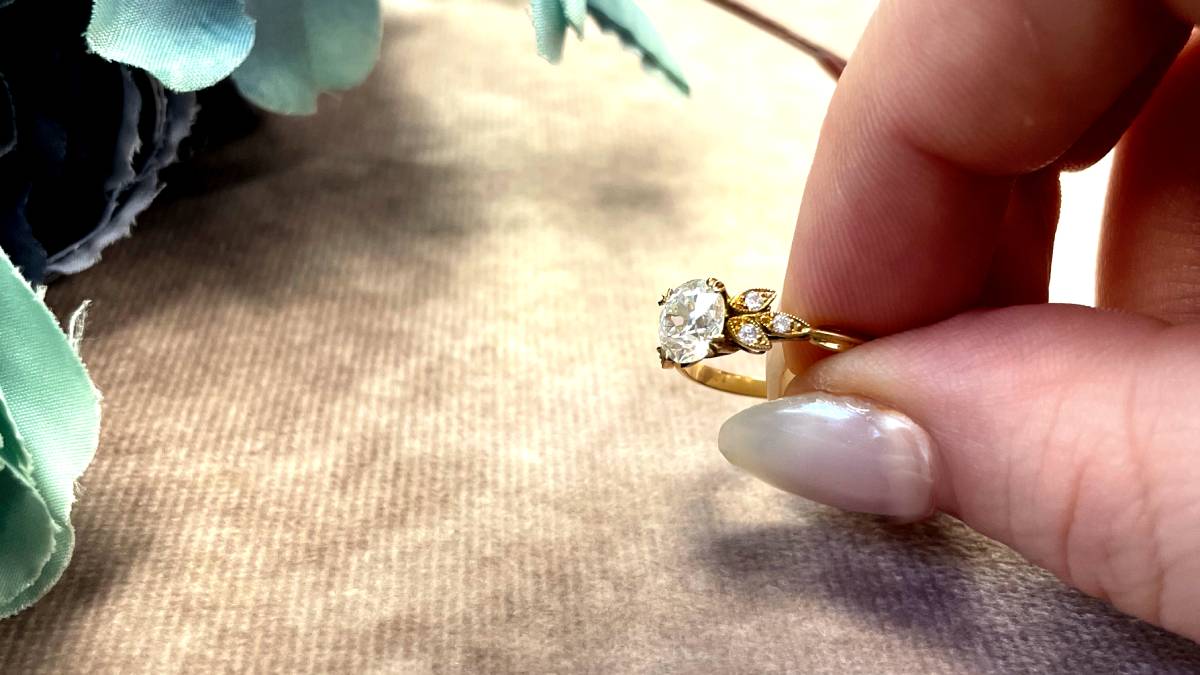
Look: Nature-Inspired and Artistic | Stone Security: Moderate | Best For: Natural themes, unique center stones, vintage or boho styles | Height Profile: Varies (usually Low to Medium) | Age of Style: Art Nouveau Era (Early 1900s) – Revived in Modern Artisan Rings
The organic motif setting draws inspiration from nature and features flowing, asymmetrical designs that mimic vines, leaves, branches, flowers, or waves. Rather than straight lines and sharp angles, this style embraces curves and textures that feel alive and sculptural. The setting often blends seamlessly into the band, creating a fluid, natural aesthetic where the diamond may appear to emerge from the design itself. Common in Art Nouveau pieces and modern artisan rings, these settings frequently include hand-engraving or mixed metals for a truly “botanic feel”.
Organic motif settings are perfect for those who want a ring that feels artistic, meaningful, and a little outside the norm. They pair especially well with antique cuts, colored gemstones (especially emeralds and rubies), or non-traditional diamond shapes like rose cuts and salt-and-pepper stones. While the structure is usually sturdy, the open and irregular forms can sometimes make maintenance or resizing more complicated.
14. Dome Ring Setting
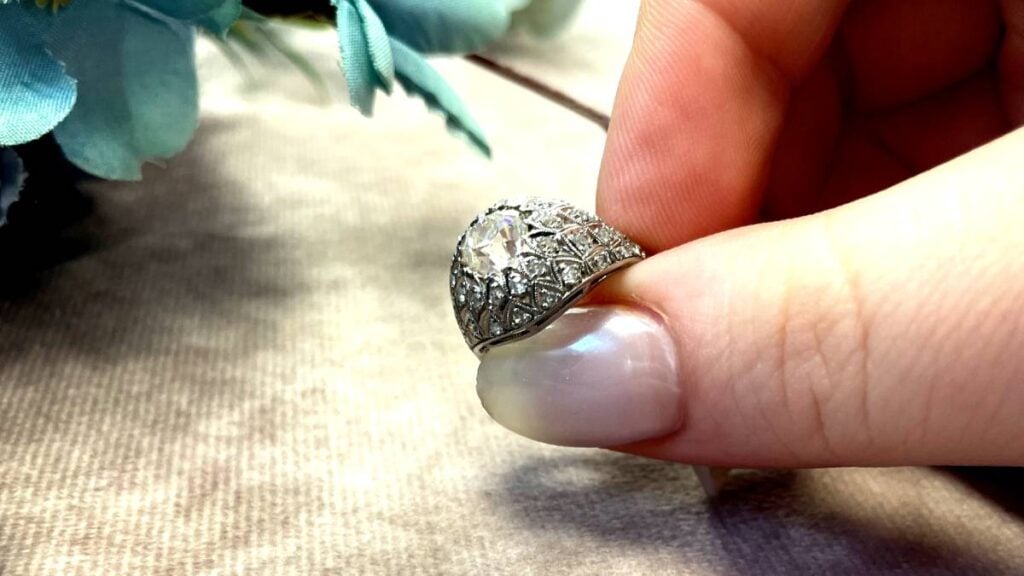
Look: Bold and Sculptural | Stone Security: High | Best For: Statement designs, cabochons, flush-set diamonds | Height Profile: Medium to High | Age of Style: Mid-1900s – Popular in Retro and Modern Jewelry
The dome setting features a rounded, raised gallery that curves upward like a dome, often tapering as it wraps around the finger. Some dome rings showcase a center stone set flush into the metal, while others incorporate pavé or scattered stones across the curved surface. The silhouette itself creates visual volume and drama, making the ring feel substantial and architectural. This setting style is commonly associated with vintage Edwardian Era (if delicate) or Retro Era (if bold and angular).
The dome setting offers a luxurious look that’s perfect for those who want their ring to make a statement. Its curved profile feels substantial on the hand but it is usually more comfortable than it appears, especially when well-balanced.
Because the diamond is often set lower or flush, it’s also more protected against knocks and wear. However, due to the solid metal construction, dome rings can feel heavier and may limit options for resizing or delicate engraving.
15. Elongated Ring Setting
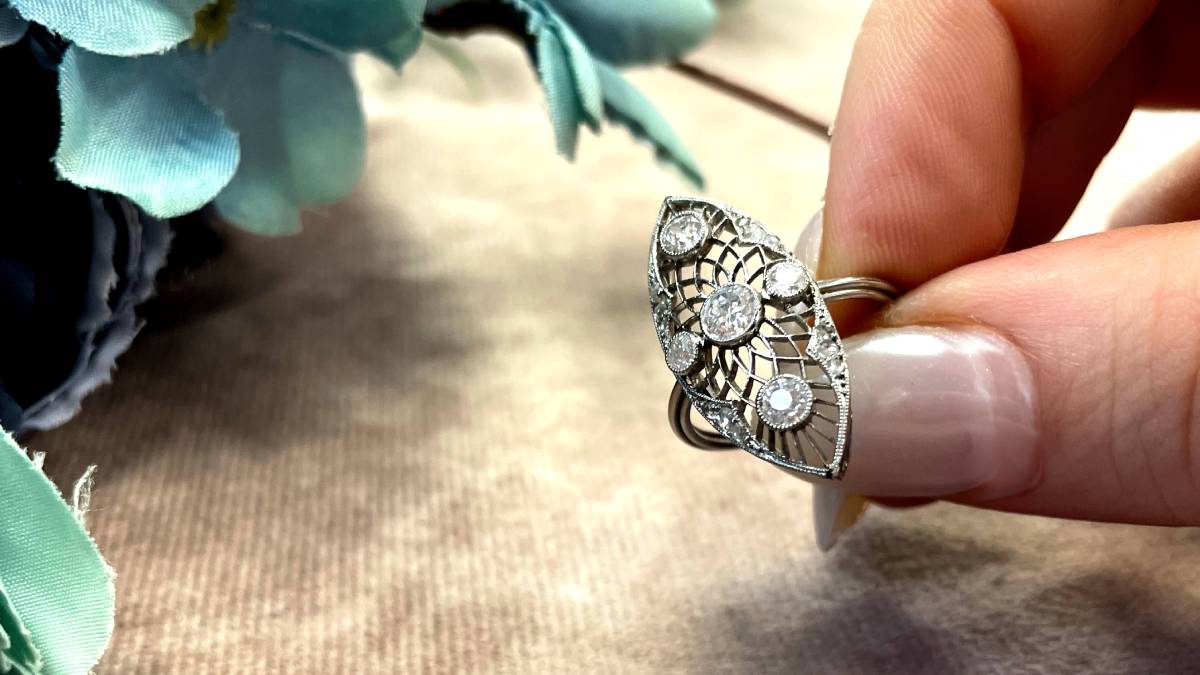
Look: Elegant and Finger-Flattering | Stone Security: Moderate to High | Best For: Oval, Emerald, Marquise, and Radiant Cuts | Height Profile: Medium | Age of Style: Popular from the 1920s – Trending Strongly Today
The elongated setting refers to engagement ring styles that feature lengthened diamond shapes oriented vertically along the finger, often showcasing elongated oval, emerald, marquise, and radiant cuts. This style emphasizes the vertical axis, creating a slimming and lengthening effect on the finger. The setting itself can take many forms but the defining feature is the elongated silhouette of the ring.
One of the biggest advantages of the elongated setting is its ability to make the center stone appear larger than it is, thanks to the extended surface area. It also flatters the hand shape by creating the illusion of longer, slender fingers.
Additionally, the variety of stone shapes that fall under the “elongated” umbrella gives couples flexibility in both style and sparkle.
On the downside, certain elongated cuts like marquise or emerald may show inclusions or color more easily, and some may be more prone to chipping at the pointed edges. Another potential downside is that there is usually a premium price for elongated diamonds.
16. Retro Ring Setting
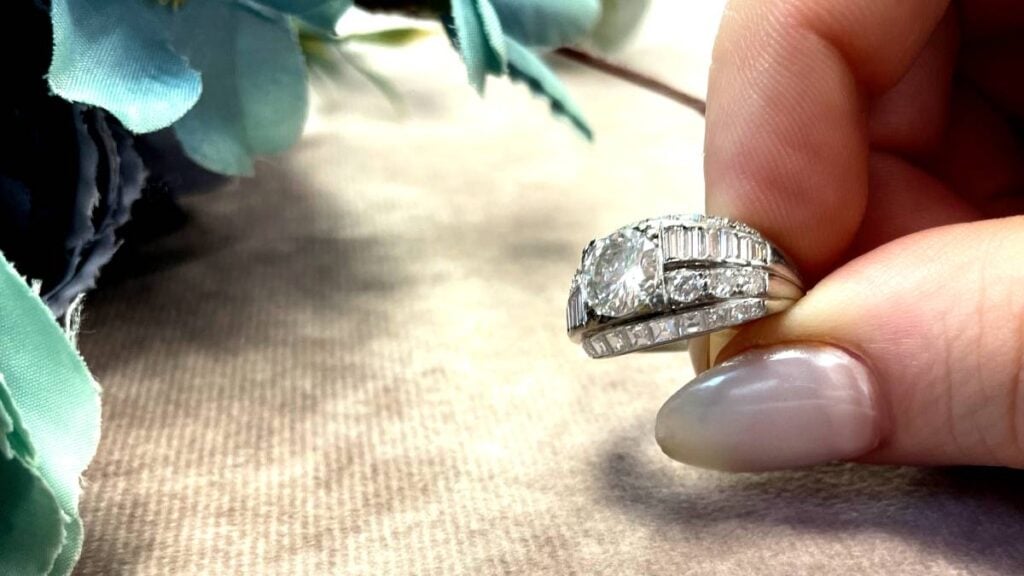
Look: Bold and Glamorous | Stone Security: Moderate | Best For: Cocktail-style rings, large center stones, geometric accents | Height Profile: Medium to High | Age of Style: 1940s–1950s (Retro Era)
The retro setting emerged in the 1940s and 1950s, known for its bold, dramatic design language that reflected post-war optimism and Hollywood glamour. These rings often feature large center stones and set in wide bands of yellow or rose gold with dramatic curves, scrolls, and geometric patterns. Retro settings also embraced symmetry and volume, sometimes incorporating diamond baguettes, fan-like structures, or raised profiles to create a sculptural and eye-catching effect.
The retro ring setting is ideal for those who want a statement piece with vintage flair. It blends elegance with personality and stands out from more delicate or traditional engagement styles.
Although these rings are often sturdy and well-constructed, the more elaborate metalwork can be heavier on the finger and may require special care to maintain the finish.
17. Tension Setting
Look: Modern and Minimalist | Stone Security: High (when crafted well) | Best For: Round or brilliant-cut diamonds | Height Profile: Medium | Age of Style: 1960s – Present
The tension setting holds the diamond in place using the pressure of the metal band itself, creating the illusion that the stone is floating between the two open ends. There are no prongs or bezels. The ring is held by a precision-engineered grip that suspends the diamond with dramatic effect.
This modern, sculptural style is often paired with sleek, contemporary bands and is most commonly used with round brilliant diamonds due to their strength and symmetry.
The tension setting is admired for its unique, futuristic look and its ability to showcase the diamond with maximum visibility and light exposure. It also offers strong security when manufactured by a reputable jeweler, as the band is calibrated specifically for the diamond’s dimensions.
It is important to note that resizing a tension ring is often difficult (or impossible) due to the custom-fit engineering. It’s also less suited for softer gemstones that can crack under pressure.
How to Add Custom Variations to Your Engagement Ring Setting

Once you’ve decided which setting style you want, the next decision will be to decide how you want to further customize your engagement ring. These custom details will make the ring catered directly to your style.
Here is Afshin Shaddaie’s master-list of the most common engagement ring customizable options:
- Metal Type. The most popular options to choose from are platinum, yellow gold, rose gold, or white gold. The metal will help set the primary tone and color for your ring.
- Gemstone Quality. The gemstone (usually diamond) quality is very important. The cut, color, clarity, and carat are all big decisions that should match your desired quality-level and budget.
- Accent Stones. In addition to picking the styles above, you can further add diamonds, colored gemstones, or even hidden accent stones for extra sparkle and meaning.
- Gemstone Shape. In addition to picking the 4C’s mentioned above, you can also pick the actual shape of the gemstone or you can opt for a fancy or unique shape.
- Stone Size Ratio. This is a more advanced option, but each gemstone has a height to length ratio. Consult with a jeweler to determine the best ratio for your ring.
- Band Style. Some ring settings already incorporate the band, but many don’t. You can customize your band (or lower band) with a straight, tapered, twisted, split-shank, or double-band design.
- Gallery Detailing. You can add filigree, latticework, or hidden design elements beneath the stone (or at its side) for subtle beauty.
Talk to Jewelry Expert

Still deciding which ring setting is right for you? Contact our team of expert jewelers. We’ll help you find or create the perfect engagement ring and respond within 1 business hour.


