
Blog
How to Fix a Diamond With a Yellow Tint?

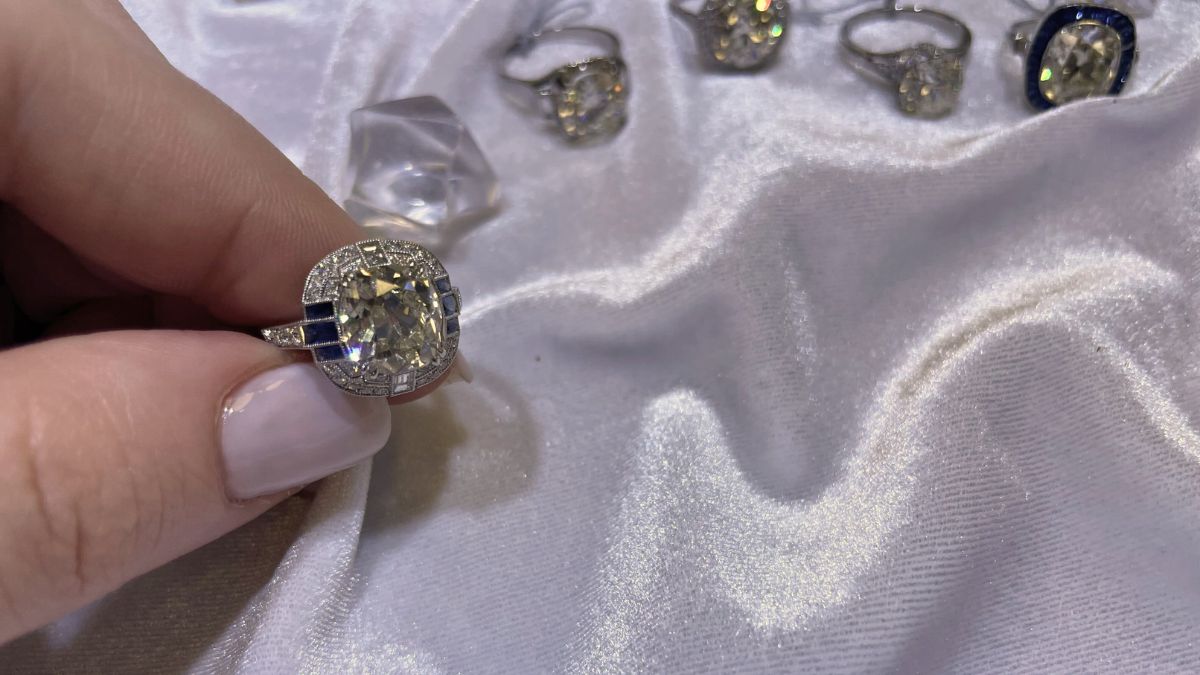
If your diamond has an unwanted yellow tint, this guide will help you understand what causes it and what you can do to fix or minimize it. This article is written by jewelry expert Afshin Shaddaie, a renowned celebrity jeweler, lecturer, and writer with over 30 years of experience in the industry.
Skip: 6 Ways to Fix Yellow Tinted Diamonds | Talk to an Expert
Why Would a Diamond Have a Yellow Tint?
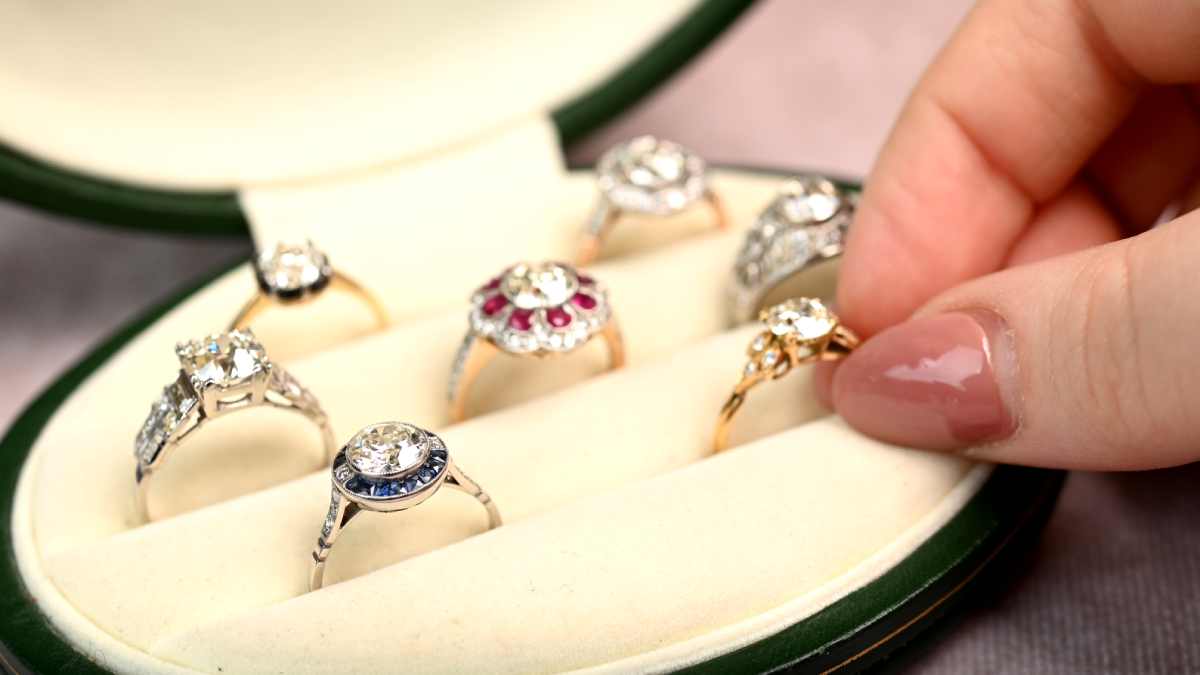
A diamond will look yellow because diamonds are not naturally colorless. Nearly all diamonds contain at least a faint hint of yellow warmth.
In natural diamonds, the most common cause of a yellow tint is the presence of trace nitrogen atoms within the crystal structure. These tiny impurities affect how the diamond absorbs light, allowing more warm tones to show through instead of a perfectly icy appearance. This is why diamonds are graded on the GIA color scale from D (colorless) down toward Z (noticeably tinted), and many diamonds in the mid range will carry a faint natural warmth even if they still look bright and beautiful.
However, the yellow appearance is not always purely about the diamond’s true body color. A diamond can appear more yellow because of cut quality, lighting, or surrounding metals (like yellow gold). Poor light return can make warmth more obvious, and certain types of lighting, especially indoor incandescent tones, bring out yellow more strongly. Even the ring setting plays a major role, since yellow gold reflections can visually warm up a diamond. In other words, a diamond may have a genuine yellow tint due to natural color grade, but its environment often determines how noticeable that tint becomes.
Important Note: Sometimes the diamond will appear yellow because of a build-up of dirt, oil, or grime. This will affect how light passes through it, creating a slightly discolored or duller appearance.
Is the Yellow Tint of a Diamond Important?
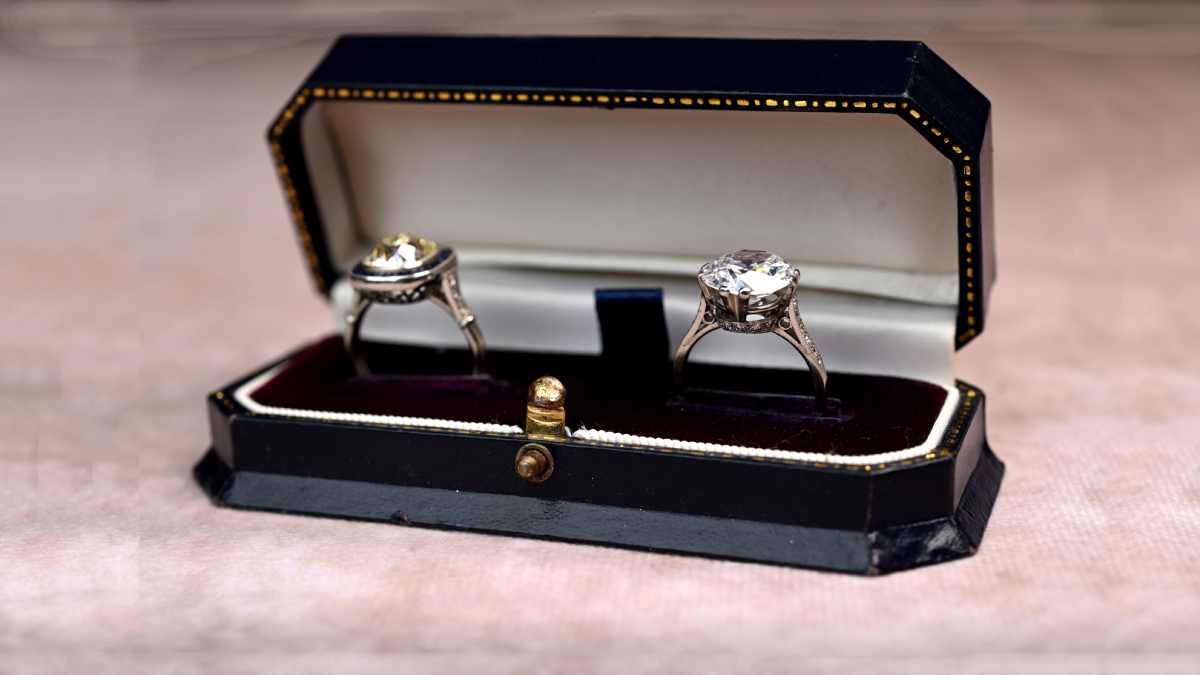
The yellow tint of a diamond plays a major role in how the stone is perceived, both in appearance and value. Even a faint yellow hue can affect how white or brilliant the diamond looks, especially when compared side-by-side with higher color grades.
For many buyers, the color is one of the first things one notices (after carat size), so a visible tint can greatly impact overall satisfaction. The yellowness of the diamond also influences how the diamond interacts with its setting and surrounding stones.
From a value standpoint, color is one of the key factors used to grade and price diamonds. A diamond with a strong yellow tint typically falls into a lower color grade, which can make it significantly more affordable. This can be a benefit if you’re looking for a larger stone at a better price, but it also requires careful planning in terms of setting and design. See below.
Important Note: In the United States, diamond size is often prioritized over color. Most American customers would rather choose a larger J color diamond than a smaller, higher-grade F color stone. This trend differs from markets in Europe and Asia where color tends to carry much more importance than size.
How to Fix a Diamond With a Yellow Tint?
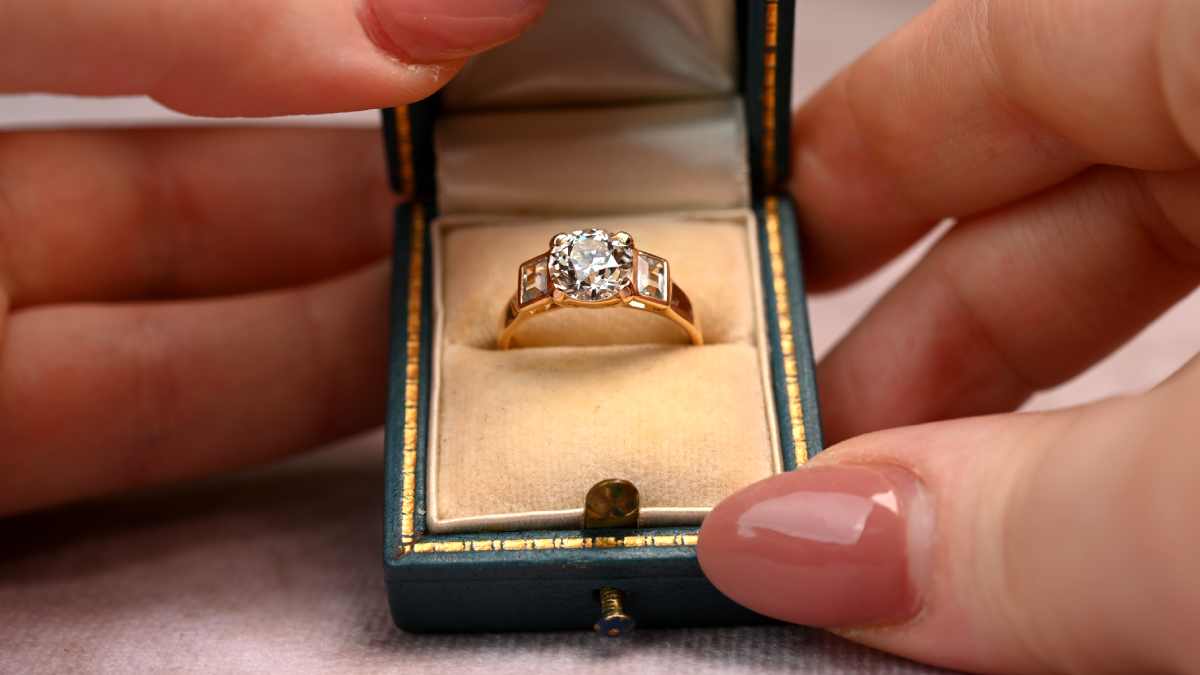
If your diamond has a noticeable yellow tint, there are several smart strategies that you can use to improve its appearance without immediately replacing it.
Please note that we strongly caution not to actually try any of the “home-remedies” or chemical treatments on your diamond. This will greatly impact the value and integrity of the diamond.
1. Clean the Diamond, Setting, and Accenting Gemstones
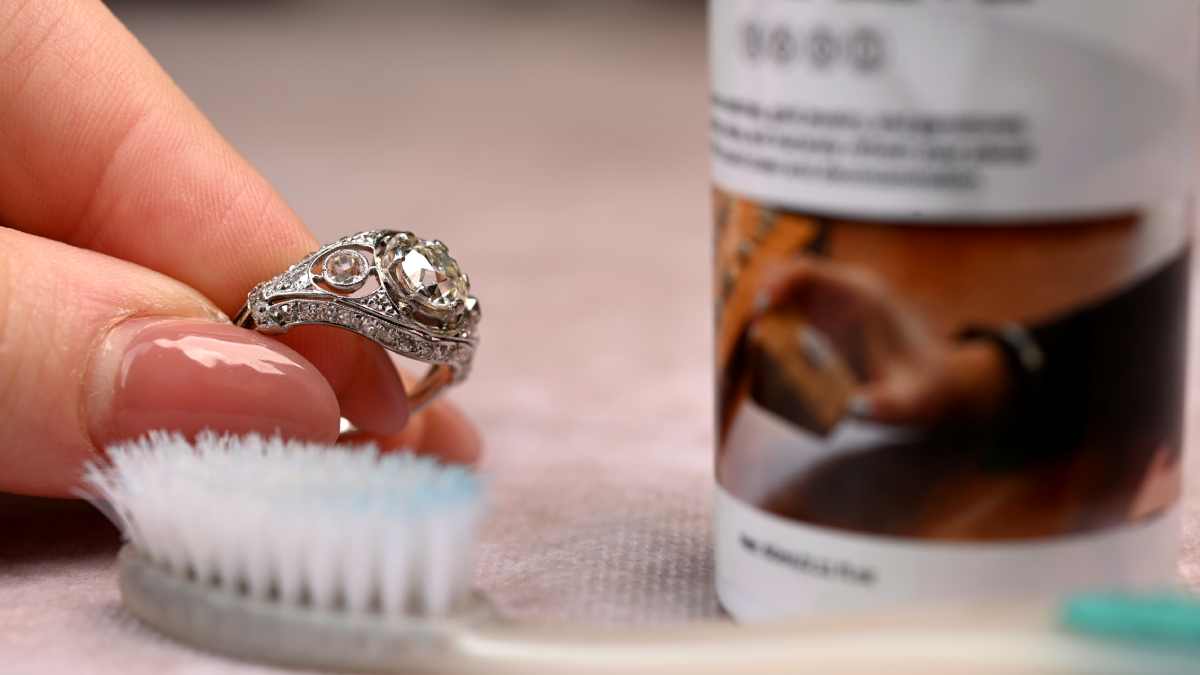
As mentioned above, not always is the diamond at fault for showing yellow. Something the biggest culprit is the dirt attached to the diamond. And so before assuming that the diamond itself is too yellow, first give the diamond a proper professional cleaning.
Over time, dirt, oil, and debris can collect on top, beneath or around the diamond, dulling the sparkle and amplifying any natural tint. Even accenting stones that have lost their brightness can affect how the center diamond appears.
A clean diamond will reflect light better, look whiter, and show off its natural brilliance.
2. Use the Jewelry Setting to Hide the Yellow Color
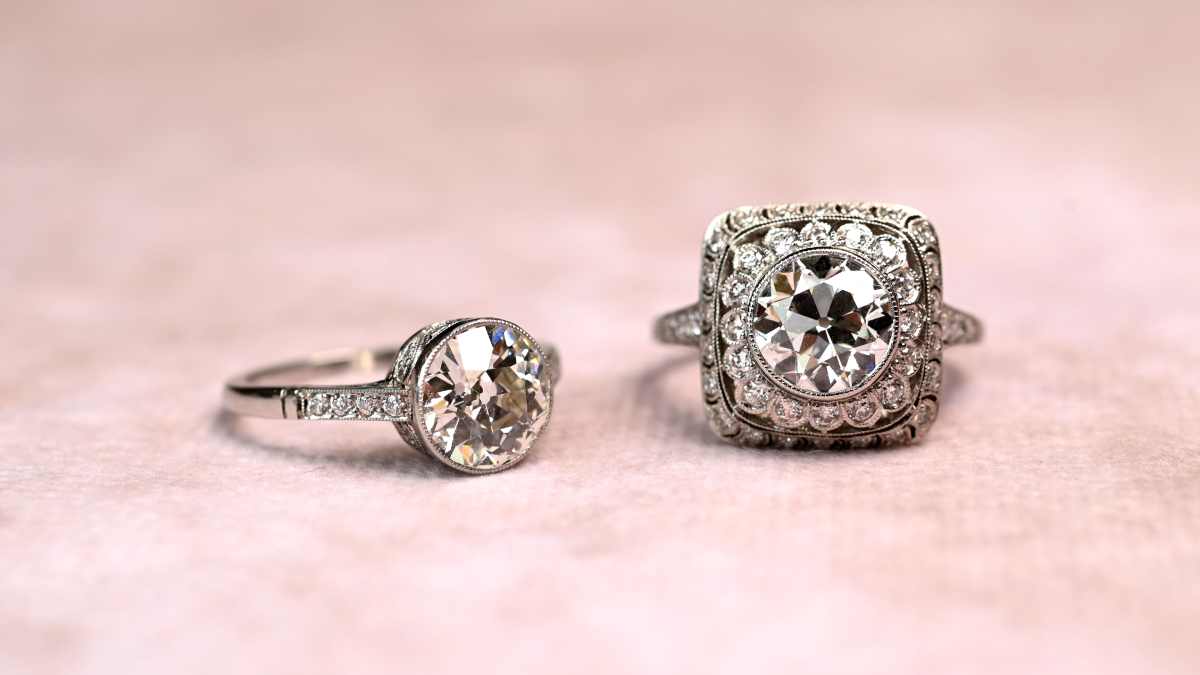
Certain setting and mounting styles can greatly help to conceal or neutralize a yellowish tint.
Bezel and closed-back settings, for example, will usually block out some of the ambient-light that makes the yellowness of the diamond more obvious. Vintage-style settings with more metal coverage or intricate designs can also distract the eye and reduce the visibility of the tint.
Choosing a clever setting can significantly change how yellow your diamond will appear.
3. Choose a Metal Color to Offset the Diamond
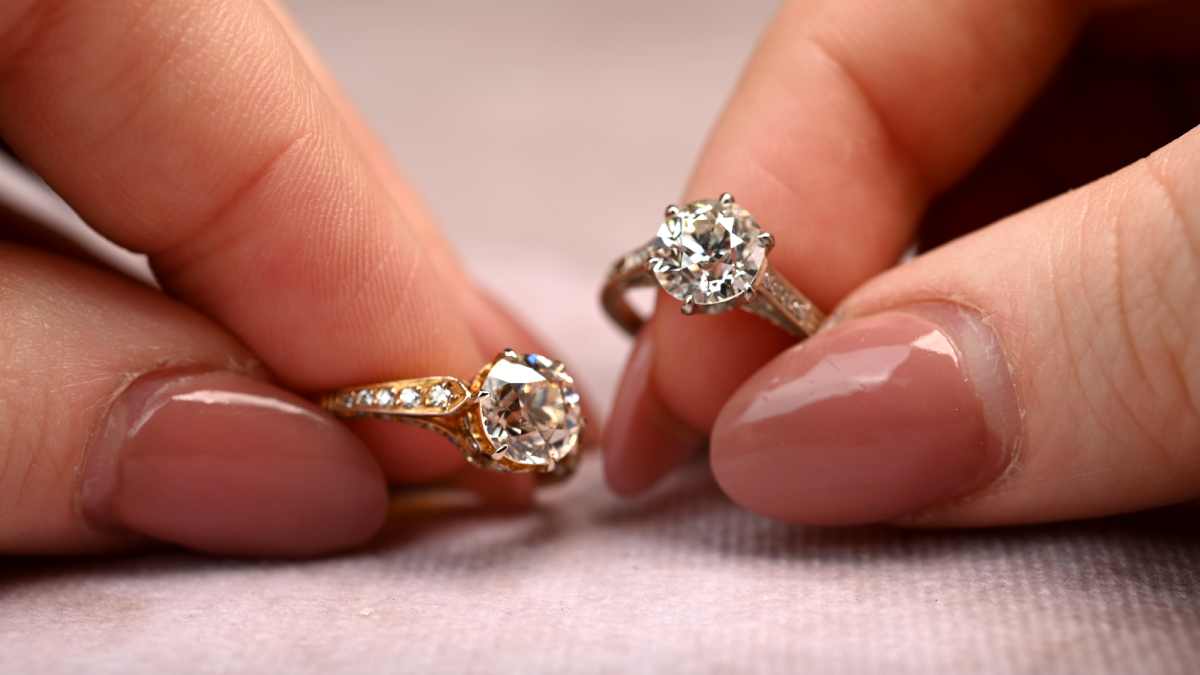
The metal color is one of the greatest contributors for how yellow or white a diamond will seem. And jewelers have different strategies on how to employ the metal color to create a specific diamond-grade illusion.
The general principal is that the very white colors (D-F color) should always be set in platinum or white gold. This helps further the white presentation of the colorless diamond.
Diamonds that range from G color – I color are usually also set in platinum or white gold, because the yellowness in the diamond is still not so apparent and so the white mounting displays the crisp whiteness as a badge of honor.
From J color and onward, jewelers often disagree on the best way to approach the warmth in a diamond. Some will intentionally choose yellow or rose gold settings to help the tint blend in, making it seem like the color is coming from the mounting rather than the stone itself. Others, especially in the vintage jewelry world, still prefer platinum or white gold, believing there is nothing wrong with a softly yellow diamond and that its warmth should simply be embraced.
4. Surround It With a Yellower Halo Diamond for Contrast
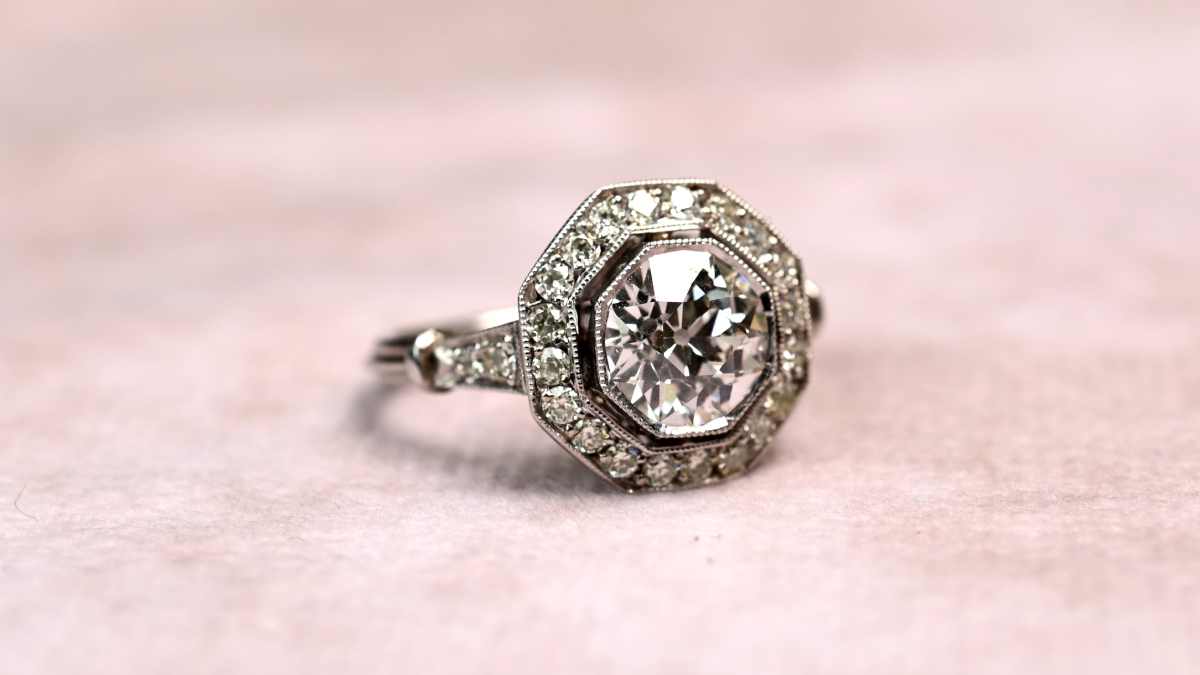
Adding a halo of stronger yellow diamonds (or warmer-colored accent stones) can create a contrast that makes the center diamond appear far whiter than it really is. This design trick works by shifting the viewer’s perception. And it really works wonders.
“Very often, we’ll take a J color center diamond and surround it with a halo of slightly warmer L color diamonds,” says jewelry expert Afshin Shaddaie. “That contrast can make the center stone look closer to an I color, or even better.”
The center stone automatically appears cooler by comparison. It’s a clever and stylish way to “hide” yellow color using intentional color contrast.
5. Add a Halo of Gemstones
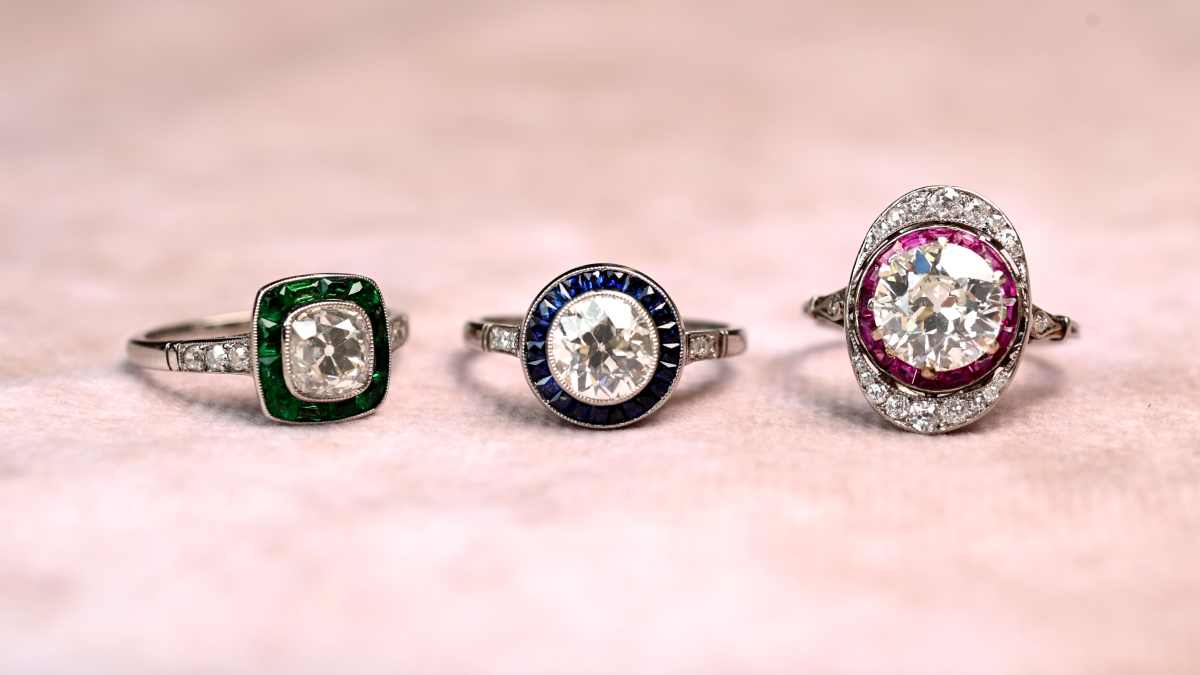
Surrounding a lightly tinted diamond with richly colored gemstones (like sapphires, emeralds, or rubies) can dramatically shift the viewer’s attention away from the center stone’s yellow hue.
These intense, saturated colors create a striking contrast that draws the eye to the halo and makes the diamond appear brighter and less tinted by comparison. This technique not only disguises the color but also adds a bold and stylish touch to the overall design.
It isn’t quite as powerful as the yellow halo approach mentioned earlier, but it can still make a noticeable improvement.
6. Buy a More Whiter Diamond
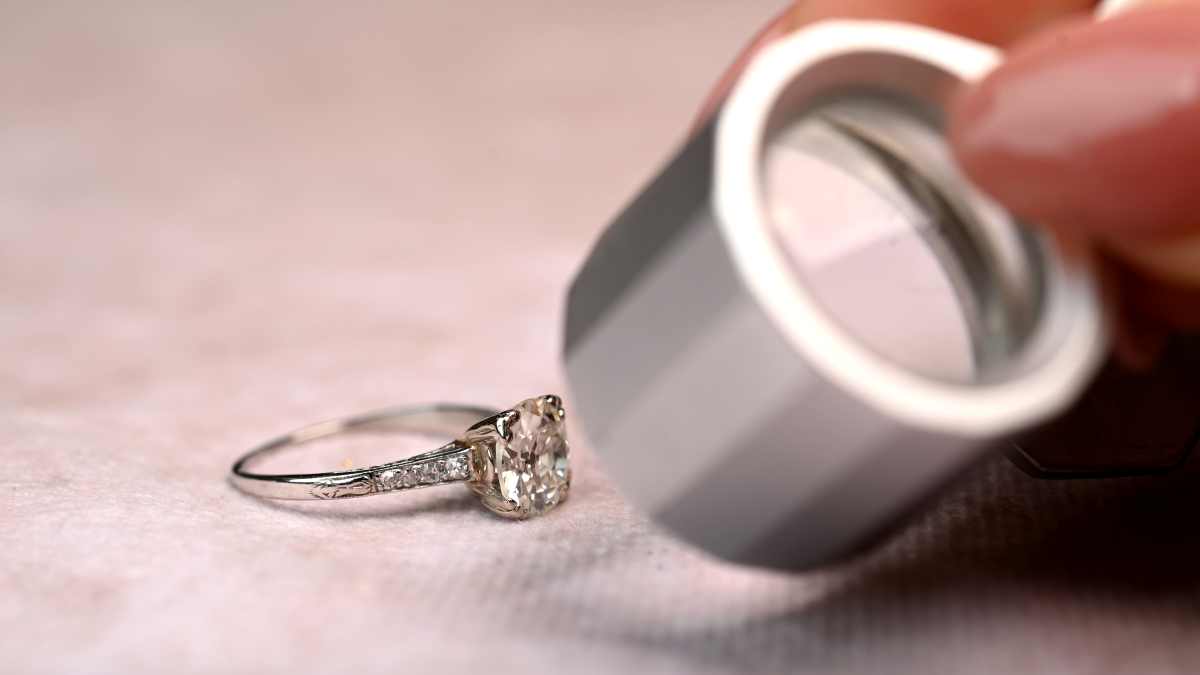
Sometimes, no setting or design strategy can fully hide a yellow tint, especially when the diamond sits lower on the color scale.
In those situations, the most effective option may be upgrading to a higher color grade diamond, such as one closer to D, E, or F. While it can be more expensive, a naturally whiter diamond delivers a brighter, more colorless look without needing any visual tricks from the mounting or surrounding stones.
7. Chemical Color and Tone Correction Options
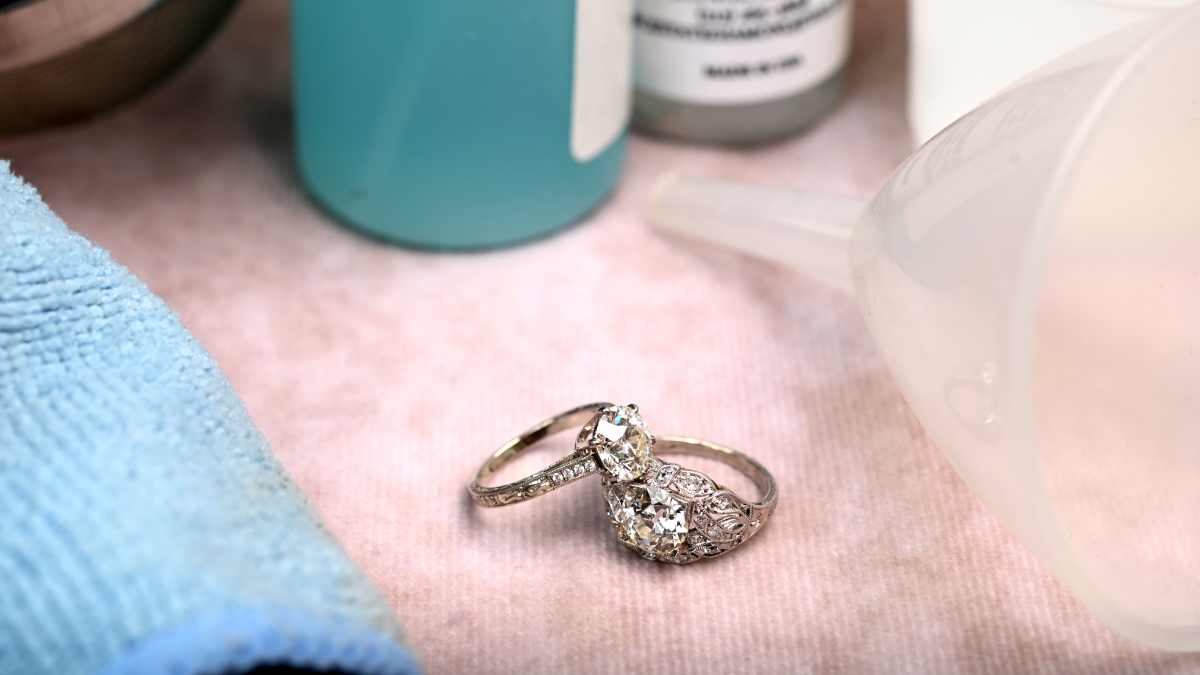
There are a few chemical and treatment-based methods that have been used to make a diamond appear less yellow, including high pressure high temperature (HPHT) treatment, irradiation followed by controlled heating, and surface coatings designed to mask warm body color.
Some diamonds have also been subjected to clarity and color-altering processes in laboratories that attempt to shift the stone’s visible tone closer to a whiter grade.
However, in our opinion, these options are generally a terrible idea for any serious buyer or long-term collector.
Treatments can permanently damage value, create disclosure issues, and often lead to instability over time, especially with coatings that can wear off or change appearance.
More importantly, altering a diamond’s natural color undermines what makes the stone desirable in the first place, and treated diamonds are almost always worth far less on the secondary market.
In almost all cases, it is far better to work with the diamond’s warmth through employing techniques surrounding the diamond.
Mistakes to Avoid When Fixing a Yellow-Tinted Diamond
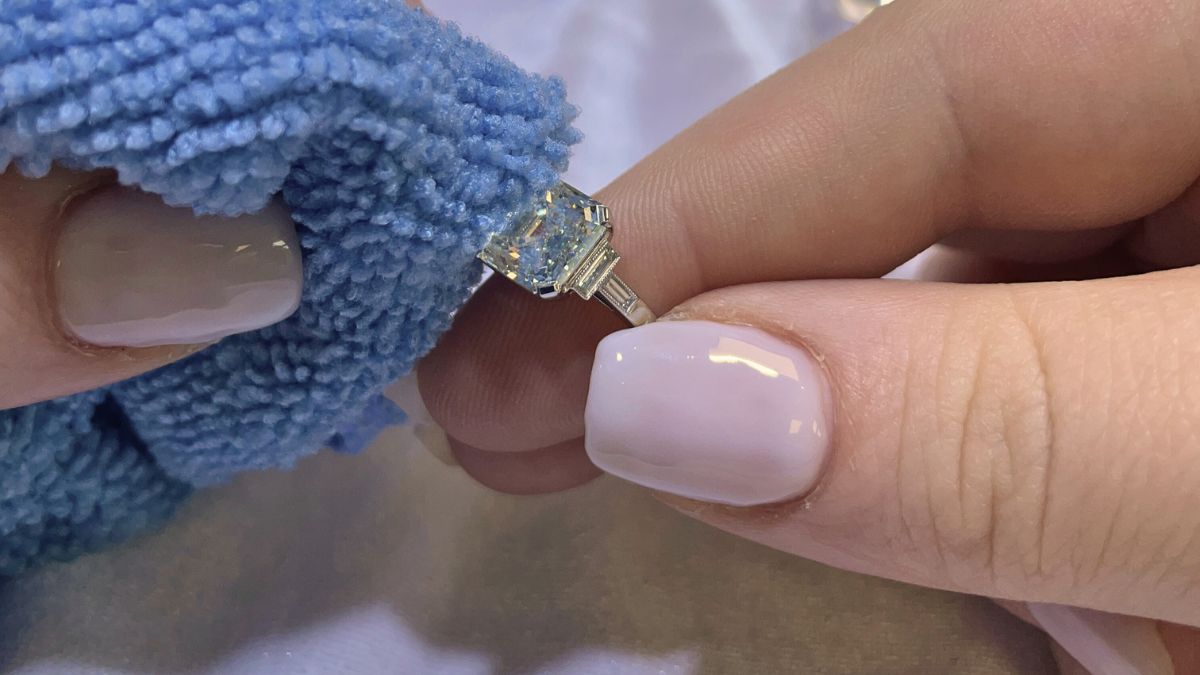
If you’re trying to fix a diamond with a yellow tint, it’s important to avoid methods that could do more harm than good.
As mentioned, one major mistake is using harsh chemicals or so-called “diamond whitening treatments” you may find online. These “techniques” can permanently damage the stone or setting and often have no real effect.
Another common error is recutting the diamond in hopes of improving its color. In most cases, recutting won’t eliminate the yellow tint and may actually reduce the diamond’s value and carat weight.
Be cautious of any DIY or internet-based fixes that claim to “bleach” or “neutralize” the color of your diamond. At best, they won’t make any real difference, and in the worst-case scenario, they can actually damage your diamond.
Shop our Yellow-Tinted Diamond Rings
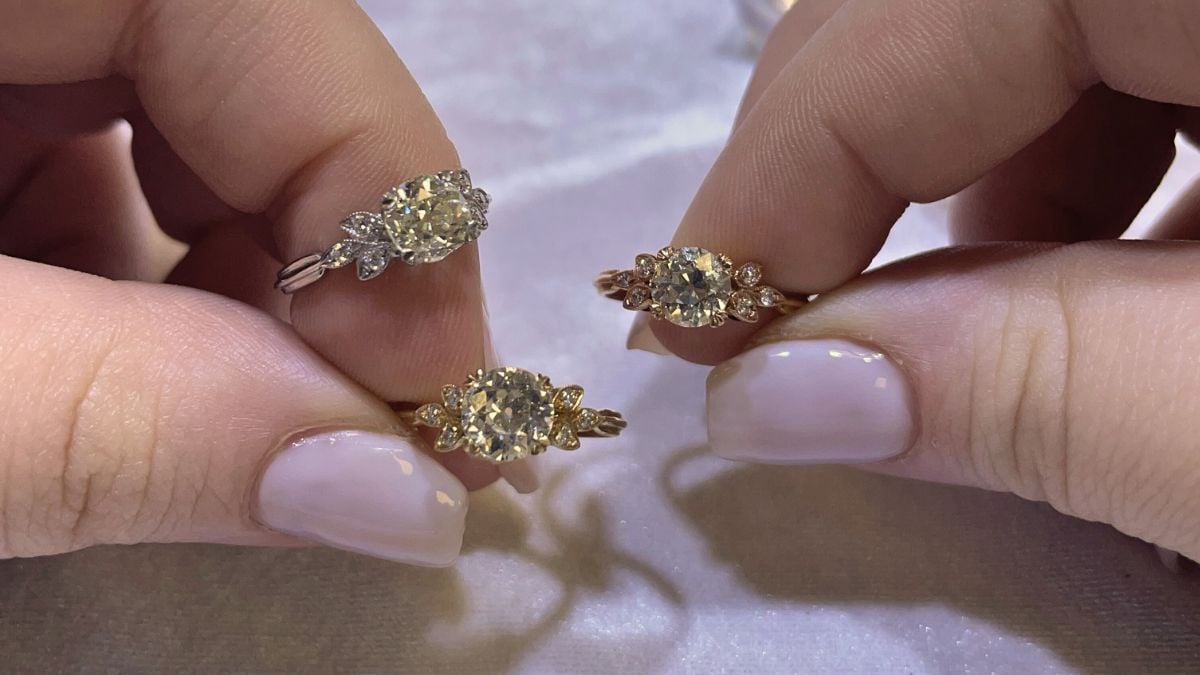
Explore our curated collection of yellow-tinted diamond rings, each hand-selected for its unique charm and exceptional craftsmanship. Whether you’re drawn to the warmth of a vintage design or the brilliance of a modern setting, our rings offer beauty and value in every shade.
Talk to a Jewelry Expert

Have questions about upgrading or improving a yellow-tinted diamond? Our expert jewelers are here to help. Send us an email, and we’ll respond within one business hour.
