
Blog
12 Mistakes That Can Ruin Your Grandmother’s Ring

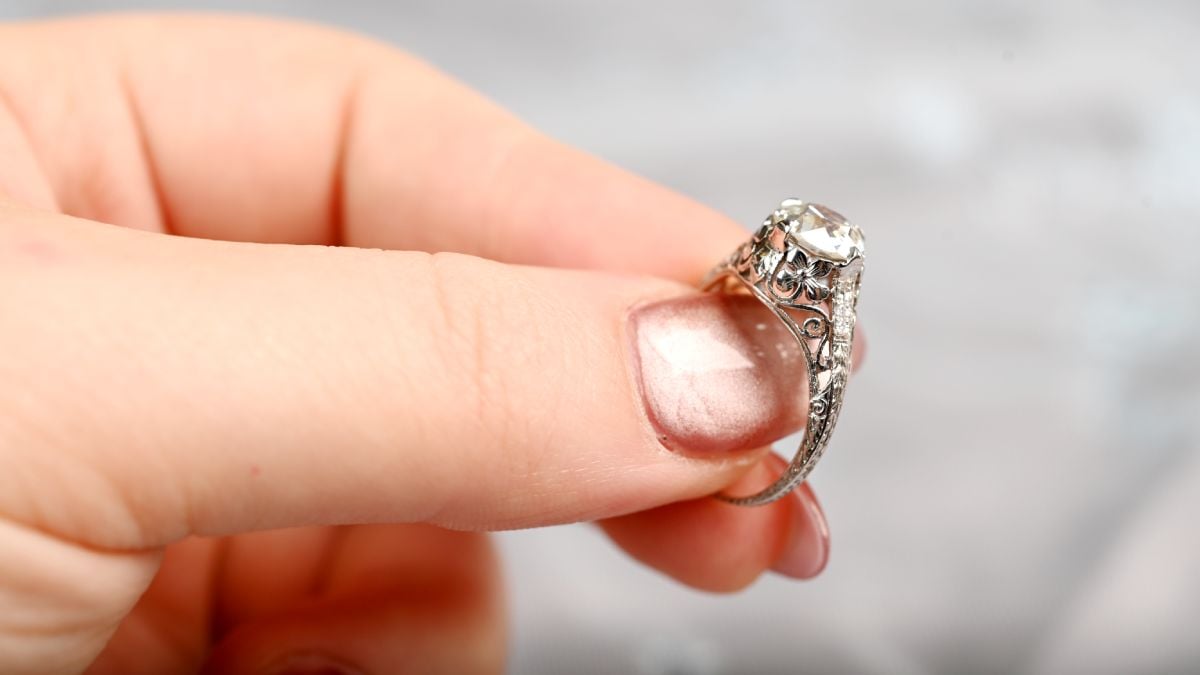
Inheriting your grandmother’s engagement ring is an honor, but if you handle it incorrectly, you will permanently ruin it. Benjamin Khordipour, a GIA-certified gemologist and a leading expert in antique jewelry, shares the most common mistakes people make and how to avoid them.
Know someone with a family vintage heirloom ring? Share this article with them!
1. Don’t Recut the Original Antique Diamond

It is extremely common for jewelers to suggest re-cutting the center stone to improve its symmetry or sparkle. But once you alter the original cut, you permanently erase its vintage identity.
Older cuts like Old Mine or Old European have a charm and rarity that modern cuts can’t replicate. Even a slight trim will make the ring less desirable to collectors.
“Once you recut a vintage diamond, you can’t get it back,” says Michael Khordipour, an antique jewelry expert for over 40 years. “It stops being authentically antique the moment you alter the center diamond.”
2. Never Resize a Ring Without an Antique Jeweler

Resizing a vintage ring might seem simple, but if it’s done by a jeweler who is unfamiliar with antique jewelry, the damage can be irreversible. Important hallmarks, maker marks, engravings, or structural details can be lost in the process.
Worse yet, if a modern jeweler runs into a problem during resizing, they’ll likely fix it using current techniques that weren’t used when the ring was made. That kind of repair can compromise the ring’s authenticity and reduce its historical value.
3. Avoid Selling Heirloom to the Wrong Buyer

If you’re thinking about selling your grandmother’s ring or any heirloom jewelry, don’t rush to just anyone. Local jewelers, pawn shops, or scrap buyers often assess value based only on metal weight or diamond size, but completely miss the vintage premium.
A true vintage expert will recognize the craftsmanship, rarity, and historical importance that can add a massive premium onto the value. Selling to the wrong person could mean walking away with a fraction of what the ring is really worth.
“The biggest mistake we see is people selling rare vintage rings as if they were scrap,” says Afshin Shaddaie. “They’re often worth far more than anyone realizes. It’s important to show a vintage ring to someone who understands vintage jewelry.”
4. Skip Harsh Cleaners and Ultrasonics

Vintage rings are often more delicate than they appear, and cleaning them the wrong way can cause serious damage. Ultrasonic machines, steamers, hot water, and strong chemicals can loosen stones or weaken fragile prongs.
Until a vintage expert confirms the ring is secure and stable, stick to gentle cleaning. Use lukewarm water, mild soap, and a soft brush. Nothing more!
It’s also a good idea to show the ring to an expert as soon as possible so they can catch issues you might not notice but need urgent attention.
5. Don’t Assume It’s Not Valuable
Just because a ring looks simple or worn doesn’t mean it isn’t highly valuable. In vintage jewelry, the most unexpected details (like an obscure maker’s mark, an original old cut, or even slight irregularities) can dramatically raise the value. You also shouldn’t assume that just because the ring was originally purchased for very little, it doesn’t hold serious value today.
There are dozens of factors that only an expert would know to look for. Before making any assumptions, have the ring professionally evaluated. It is possible that you’re holding something truly rare.
6. Don’t Replace or Over-Polish the Details
The little imperfections and aged details on a vintage ring are often what make it special. Hand engravings, original side stones, and even the natural patina can all contribute to the ring’s character and value.
Trying to “perfect” the ring by polishing away the surface or replacing old elements with modern ones can erase its uniqueness. Once those original details are gone, they can’t be brought back.
7. Don’t Alter It Just to Fit a Trend
Trends come and go, but once you change a vintage ring to match what’s popular today, you risk losing its authenticity and long-term value. Switching out metals, lowering settings, or redesigning the band may make the ring feel more current, but it could also hamper its genuineness.
A ring that’s been untouched since the era it was made will always appeal more to collectors and vintage lovers. When in doubt, preserve the original design.
8. Don’t Let It Sit in a Drawer for Years
If you’re not wearing the ring, don’t just leave it in a drawer or jewelry box and forget about it. Over time, poor storage can cause the metal to tarnish, prongs to loosen, and dust to build up around the stones.
Any unworn heirloom ring should be stored in a proper jewelry safe, ideally in a soft pouch or fabric-lined box. It should also be taken out and gently cleaned a few times a year to prevent long-term deterioration.
9. Don’t Forget to Insure It
It’s easy to overlook insurance when you inherit a ring, especially if you didn’t go through the usual buying process with a jeweler who would’ve reminded you. But accidents happen. And without coverage, a lost or damaged ring could be gone for good.
Vintage and antique rings should be appraised by a specialist and properly insured for their full replacement value. It’s a simple step that offers real peace of mind.
10. Don’t Forget to Learn the Ring’s Story

Every heirloom ring has a fascinating history, but if you don’t ask, that story could be lost forever. Even a few simple details about who gave it, when it was worn, or how it was passed down can add layers of meaning to the piece.
Take the time to ask family members while you still can. A short conversation now can preserve a legacy for generations.
“A lot of people regret not asking about their family jewelry while they had the chance,” says Afshin Shaddaie. “Once the story is gone, you can’t get it back.”
11. Don’t Guess the Ring’s Style or Era
Understanding your ring’s era and design motif can completely change how you wear and care for it. Whether it’s Edwardian filigree, Art Deco geometry, or Victorian symbolism, each style has details that affect how it should be styled, stored, and even cleaned.
Consulting with a vintage expert will help you identify the ring’s origins and learn what naturally complements it. You don’t want to accidentally pair it with something that clashes or diminishes its character.
12. Don’t Assume It’s as Strong as a Modern Ring
Vintage rings may look sturdy, but many of them were handmade with delicate craftsmanship and have already lived a full lifetime of wear. Even if the ring has survived for decades, that doesn’t mean it’s built for modern, everyday use.
One accidental knock, drop, or pressure can bend a band, loosen a prong, or chip a stone. Treat it gently, and consider having a jeweler evaluate whether it’s safe for daily wear.
It is quite possible that the jeweler will suggest that it only be worn occasionally and cherished with extra care.
Consult with a Vintage Jeweler

Whether you’re looking for advice, want help identifying the era of your ring, or need guidance on how to style and pair it properly, speaking with a vintage jewelry expert can make all the difference.
We’ve helped thousands of people avoid costly mistakes by simply taking a few minutes to review their piece and explain what they have. Even a quick consultation can uncover details that are easy to miss but crucial to know.
If you’re considering selling your vintage ring, we also buy antique jewelry and can help assess its full value. Reach out using the form below or contact us directly.
We respond to all inquiries within one business hour.
