
Blog
Differences Between White Gold Vs Yellow Gold Vs Rose Gold

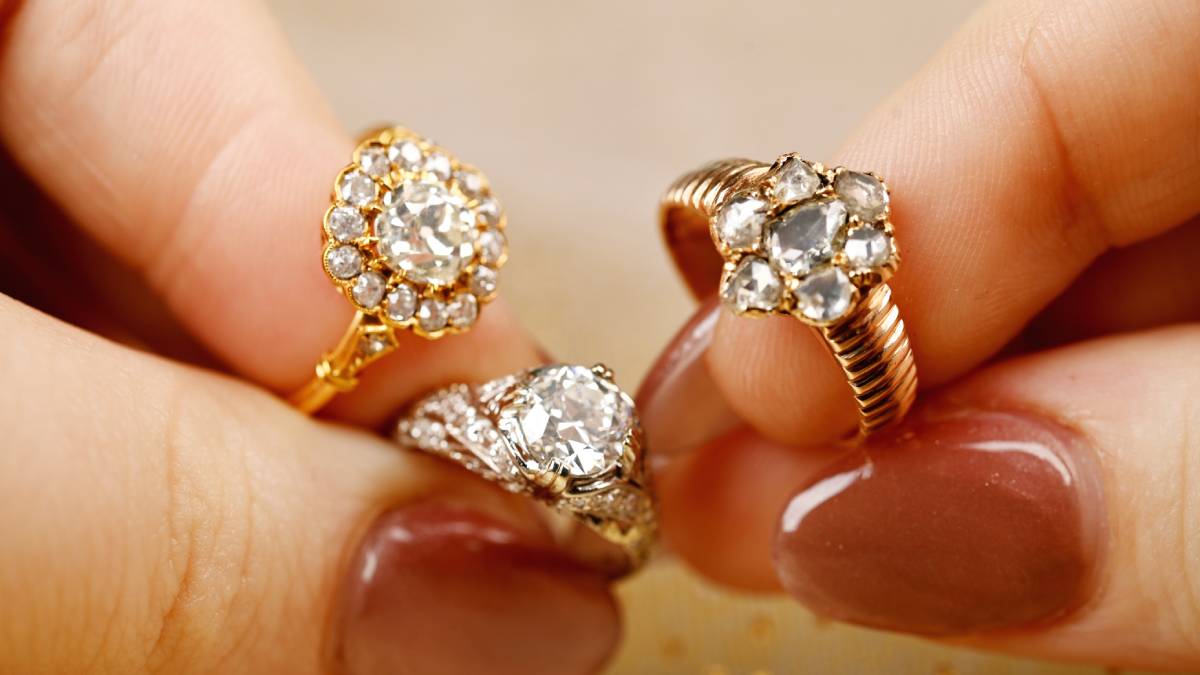
There are so many different types of gold. Before you choose which one you want, it is so important to first understand what makes each one different and special. In this article, Benjamin Khordipour, one of the world’s top jewelry experts, will share everything you need to know about white, yellow, and rose gold.
Want the final answer? Skip to the end to see which gold comes out on top.
What Are White Gold, Yellow Gold, and Rose Gold?

White, yellow, and rose gold are all made by mixing pure gold with other metals. The mix changes the color and strength of the gold.
Yellow gold is the classic choice. Its warm color is closest to pure gold. Jewelers often mix it with copper and zinc to make it stronger. You’ll see it in both vintage and modern designs.
White gold has a cool, silver tone. It’s made with metals like nickel, palladium, or silver. Most white gold is coated with rhodium for extra shine and scratch protection. It’s a favorite for those who want a sleek, modern look without going for platinum.
Rose gold gets its pink color from extra copper in the mix. It’s romantic, unique, and perfect for someone who wants a softer, more unusual gold tone.
Each type has its own style, feel, and care needs. The right choice depends on your taste and how you plan to wear it.
Comparison Chart for Gold Colors
| White Gold | Yellow Gold | Rose Gold | |
|---|---|---|---|
| Color | White | Warm yellow | Soft pinkish-red |
| Alloy Composition | Gold + nickel/palladium | Gold + copper and zinc | Gold + higher copper content |
| Strength | Very Strong | Medium Strong | Very Strong |
| Maintenance | Requires replating | Minimal | Minimal |
| Skin Compatibility | Can cause allergies in sensitive individuals | Generally good | Generally good |
Which Color of Gold is Best for Engagement Rings?
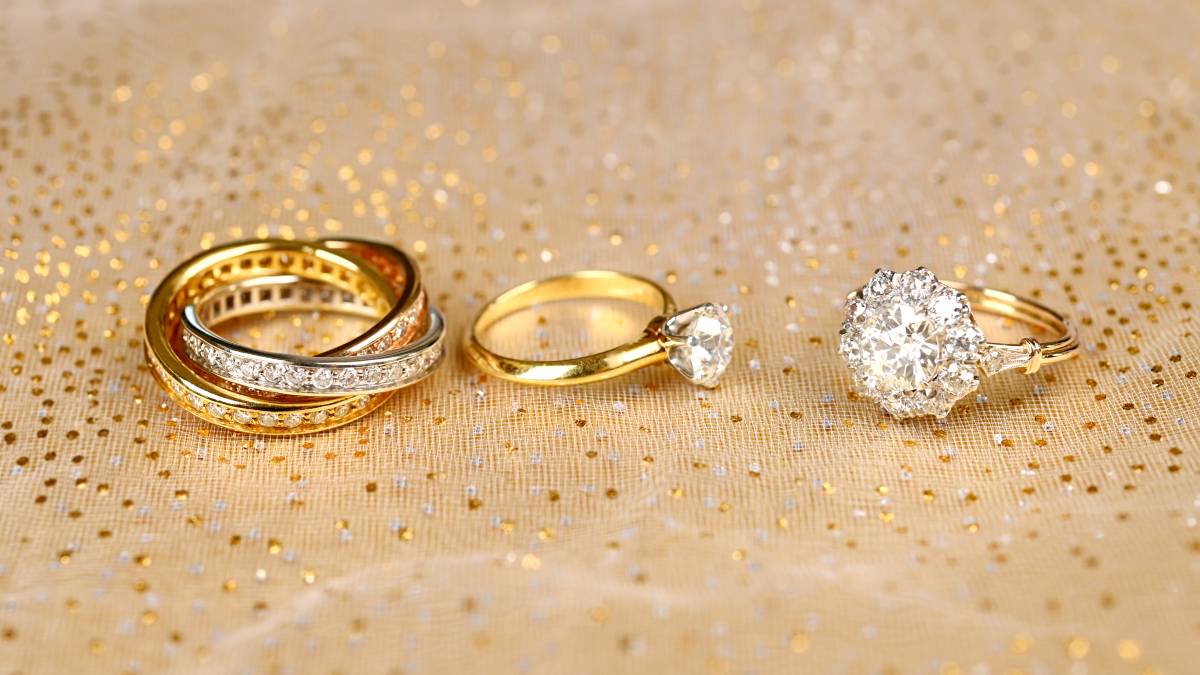
The best gold color for an engagement ring depends on your style and how you plan to wear it.
Yellow gold is timeless. It has a warm, classic look and is often linked to vintage and heirloom rings. It works well with traditional designs and colored gemstones, and it’s easy to maintain.
White gold has a bright, modern feel. It looks similar to platinum and makes diamonds appear even more brilliant. Many choose it for a sleek, contemporary style.
Rose gold has a soft pink tone. It’s romantic, unique, and perfect for someone who wants a ring that stands out from the traditional look.
Each color has its pros, from strength and skin-friendliness to how it pairs with certain stones. The right choice is the one that fits both your style and your daily life.
Important Note: We strongly recommend researching platinum for your engagement ring if you’re considering white gold. Here’s an important article on White Gold vs Platinum.
Which Gold Color is Popular Right Now?
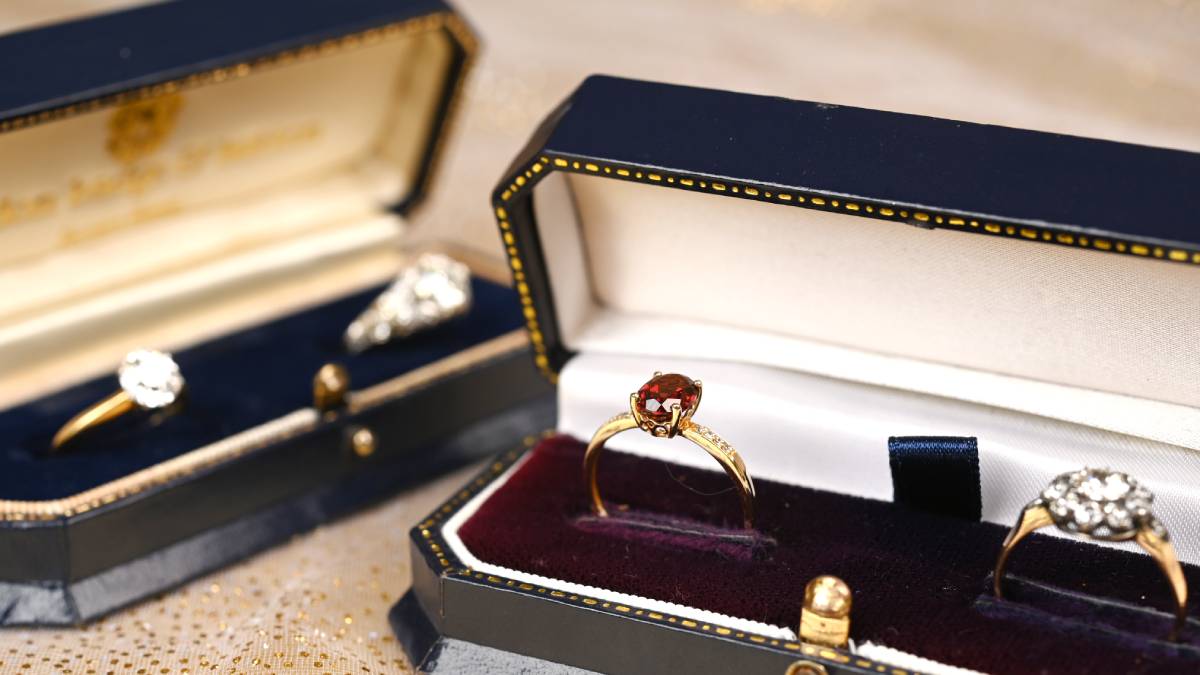
Yellow gold is currently the most popular choice, enjoying a strong comeback as buyers embrace its timeless beauty and its nostalgic link to vintage and heirloom jewelry. This warm, classic hue attracts those who want a traditional look with a touch of modern style, making it a top pick for both engagement rings and statement pieces.
Among luxury buyers, however, platinum continues to hold the top spot. It’s valued for its strength, rarity, and refined appearance. Platinum’s naturally bright, silvery finish and hypoallergenic nature make it especially appealing for high-end jewelry, securing its reputation as the ultimate option for those who want exclusivity and lasting quality.
Multiple Gold Colors in One Jewelry Piece
Blending different gold colors into a single jewelry piece can create a eye-catching look that was very popular in the antique eras. Since then, jewelers have invented many more combinations.
Here are some of the creative ways to combine gold colors into a single jewelry piece:
- Stackable Bands: Mix and match rings in yellow, white, and rose gold. Rearrange them anytime for a fresh look and endless style options.
- Braided Designs: Pick rings or bracelets with interwoven strands of all three gold colors. This creates a soft, blended look that feels balanced and unique.
- Dual-Tone Settings: Choose a ring with the center setting in one gold color, like white gold, and the band in another, such as rose or yellow gold. The contrast is subtle but striking.
- Multi-Strand Necklaces: Layer gold chains in different colors and lengths. The mix adds texture, depth, and a bold yet versatile style.
- Accent Elements: Use one gold color as the base, like white gold, and add small touches of rose or yellow gold for contrast. This works especially well in pendants and detailed designs.
- Two-Tone or Three-Tone Hoop Earrings: Alternate gold colors within a single hoop or between multiple hoops. This blends the tones beautifully in one piece.
All the Different Types of Gold Colors
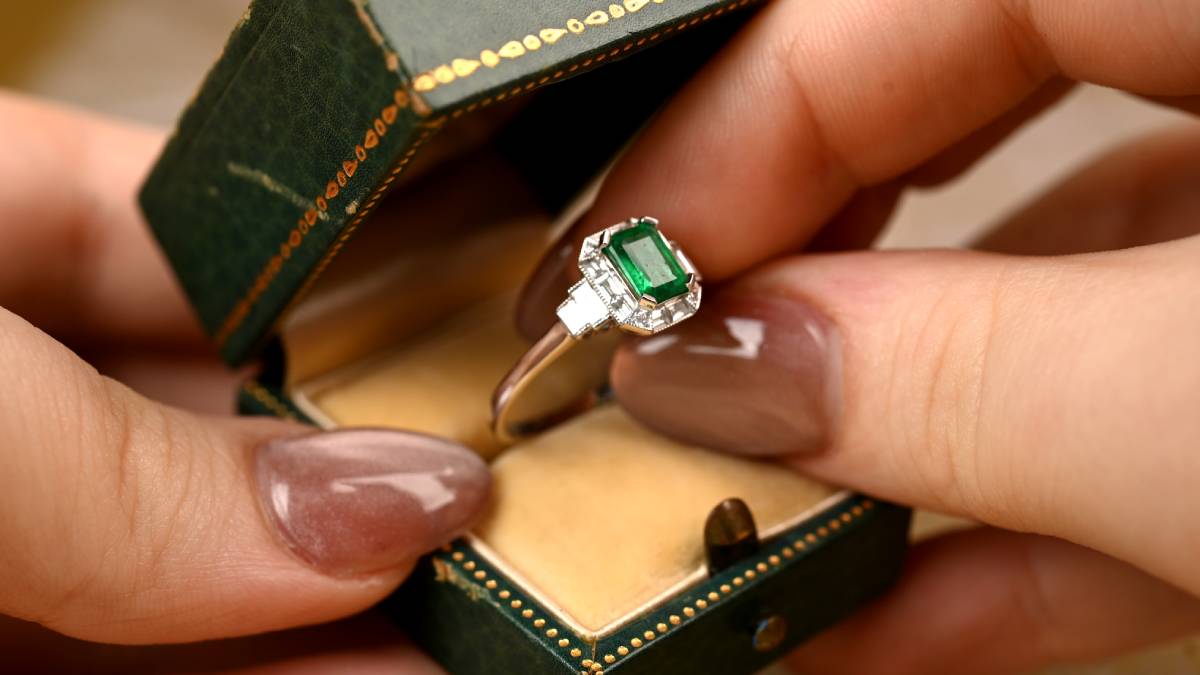
Beyond the three main colors in this article, gold can be made in several other shades. Each is created by mixing pure gold with specific metals, giving it a unique look and personality.
- Yellow Gold: The classic warm tone that looks closest to pure gold. It’s made by mixing gold with copper and silver.
- White Gold: Made by combining gold with metals like nickel or palladium, then often coated with rhodium for a bright, silvery finish.
- Rose Gold: Soft and pink in color, this gold gets its hue from extra copper in the mix.
- Green Gold: Also known as electrum, this gold is created by adding silver.
- Blue Gold: Formed by adding indium or gallium, it has a cool, steely blue shade.
- Black Gold: Achieved through special treatments like oxidation or by mixing with cobalt.
How Much Does White, Rose, and Yellow Gold Cost?
14k gold is currently about $1,953 per ounce and 18k gold is around $2,512 per ounce. This price remains the same for all different colors of gold.
The price of white, yellow, and rose gold typically remains consistent as long as the gold purity level (e.g., 14k or 18k) is the same. This is because the metals added to create each unique color (such as copper for rose gold or nickel for white gold) do not significantly impact the overall price.
However, white gold may involve additional maintenance expenses over time, as it requires occasional rhodium plating to keep its bright, silvery appearance.
Ultimately, the choice between these gold types is based on aesthetic preference and lifestyle needs rather than budget.
Frequently Asked Questions
1. How does each gold type hold up with daily wear?
All gold colors are great for daily wear, but among the three options, white and rose gold may show scratches less. Yellow gold, though, remains sturdy with proper care.
2. Which gold color complements different skin tones best?
Yellow gold is typically ideal for warm undertones, white gold complements cooler tones, and rose gold suits a range of undertones, particularly neutral skin tones.
3. Is one gold color better for sensitive skin?
Yellow and rose gold in higher karats are generally hypoallergenic, whereas white gold may cause irritation if it contains nickel. For very sensitive skin, platinum is a safe, hypoallergenic alternative.
4. Are certain gold types safer for those with metal allergies?
Rose and yellow gold in 18k are generally safer options for those with allergies, while white gold should be checked for nickel content, which can cause irritation for some individuals.
5. Is gold sustainable, and does color impact its environmental impact?
Gold sustainability depends on the mining practices rather than the color. Jewelers may source ethically mined or recycled gold to reduce environmental impact, regardless of gold color.
6. Does choosing recycled or ethically sourced gold affect color choice?
No, you can choose recycled or ethically sourced gold in any color, as sustainable practices apply to the gold’s sourcing rather than its alloy composition or color.
7. Can different gold colors be customized easily?
Yes, many jewelers offer customization options for all gold colors, from engraving to resizing, although resizing may require re-plating for white gold. Rose and yellow gold alloys allow for easy adjustments without additional treatments.
8. Does one gold color feel heavier than others?
No, the weight is determined by gold purity (karats), not the color, so yellow, white, and rose gold in the same karat weigh the same. However, metals added to create different colors may slightly impact how each color feels on the skin, although these differences are often minimal.
9. Should I choose gold over other metals like platinum or palladium?
Gold is versatile, classic, and generally more affordable than platinum. However, if durability, hypoallergenic properties, and a luxurious feel are priorities, platinum may be a better choice, while palladium offers a lightweight, hypoallergenic alternative to white gold.
White Gold Vs Yellow Gold Vs Rose Gold

The best choice between white, yellow, and rose gold comes down to your personal style, lifestyle, and what you value most in jewelry. Yellow gold is ideal for those who love a classic, timeless look with minimal upkeep. It’s especially well-suited for vintage-inspired designs. White gold has a sleek, modern appeal. It enhances the sparkle of diamonds and other gemstones but may need occasional replating to keep its bright finish. Rose gold offers a romantic and distinctive style. Its soft, warm tone makes a statement while remaining elegant and understated.
If you’re looking for something truly luxurious and long-lasting, platinum is worth exploring. It’s known for its strength, hypoallergenic properties, and naturally bright, silvery color.
Talk to a Jewelry Expert
Looking to buy gold jewelry? Fill out the form below. We will respond within one business hour.


