
Blog
Which Metal is Best for Your Engagement Ring?


Choosing the right metal for your engagement ring is more than just a design decision. The metal will impact durability, comfort, price, and even how your diamond shines. In this article, Benjamin Khordipour, a GIA-trained Gemologist, renowned author, and celebrity jeweler, shares expert insights to help you pick the perfect metal that suits your style and stands the test of time.
Skip to the bottom to read our top insider tips for which metal to pick!
Which Metal, do Experts Believe, is Best for an Engagement Ring?

After decades in the jewelry business, and weighing every pro and con, we’ve seen that most experts believe that platinum is the best metal for an engagement ring. As you will discuss below, platinum will age the best, and platinum is also a much better metal for jewelers to work, especially when crafting high-level jewelry.
That being said, it could be that you have other considerations that will make another metal a better choice for you.
Keep reading to discover which metal is best for your specific needs.
Expert Guide Comparing Metals for the Engagement Ring
Every metal has its own personality. Each one has its color, shine, strength, and price. For this section, I collaborated with Benjamin Khordipour to deep-dive into the pros and cons of each type of metal for an engagement ring.
Gold and platinum remain the most popular (as of 2026), while metals like palladium or titanium offer modern alternatives. Additionally, gold itself comes in different karats, each with its own mix of purity and durability. See below.
“When it comes to engagement rings,” says jewelry expert Afshin Shaddaie, “choosing the type of metal is almost as important as selecting the diamond.”
Knowing how each metal looks, wears, and can be resized will help you choose wisely. Maybe you love the lasting elegance of platinum, the soft blush of rose gold, or the clean look of white gold. Whatever your style, the right choice will be one that feels timeless and works for your lifestyle.
Here’s a breakdown on the most popular metal options, its cost per ounce, hardness and popularity.
| Metal | Cost per Ounce | Hardness Grading | Popularity Score |
|---|---|---|---|
| 24K Gold | $4,700 | Soft | 1/10 |
| 18K Gold | $3,525 | Medium | 10/10 |
| 14K Gold | $2,750 | Hard | 8/10 |
| Platinum | $2,050 | Very Hard | 10/10 |
| Palladium | $2,200 | Very Hard | 3/10 |
| Titanium | $300 | Very Hard | 3/10 |
| Sterling Silver | $28 | Soft | 5/10 |
We will now go through each metal and explain how to use it for your engagement ring and its pros and cons.
1. 24 Karat Gold Engagement Ring
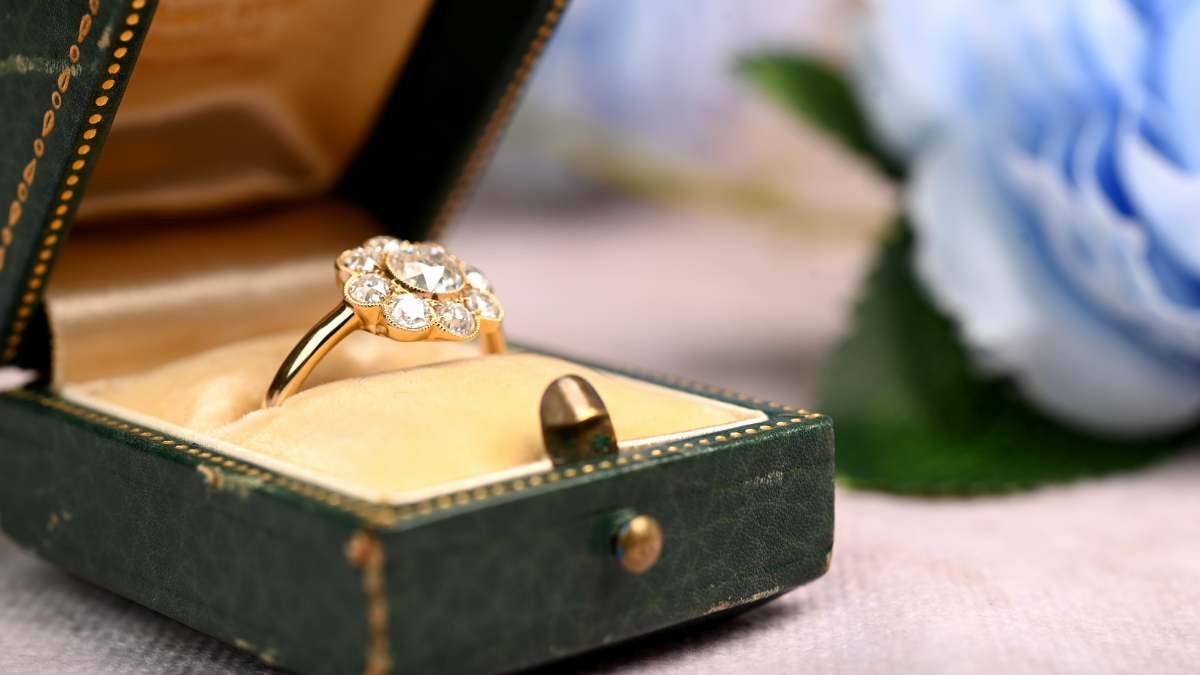
24K gold is pure gold. In other words, it’s 99.9% gold with no added alloys to strengthen it. It comes from the earth in its natural, bright yellow form. Its rich color and shine are unmatched, but it’s also very soft, which makes it less practical for engagement rings. Jewelers often need to reinforce it or use special designs to give it enough strength for daily wear.
Typical Cost for Mounting: A 24K gold engagement ring mounting usually costs between $1,200 and $2,200.
Because it’s pure, in the booming gold market, 24K gold will hold its value extremely well, making it appealing for resale or investment. Just keep in mind that while the metal’s value stays high, the labor cost for craftsmanship is rarely recovered.
Pros: Hypoallergenic and won’t tarnish, Deep vibrant yellow color, and high intrinsic value due to its purity.
Cons: Very soft and prone to scratching or bending. It will not be ideal for complex designs because of its malleability. Additionally, it will be much more expensive than a lower-karat gold ring.
2. 18 Karat Gold Engagement Ring
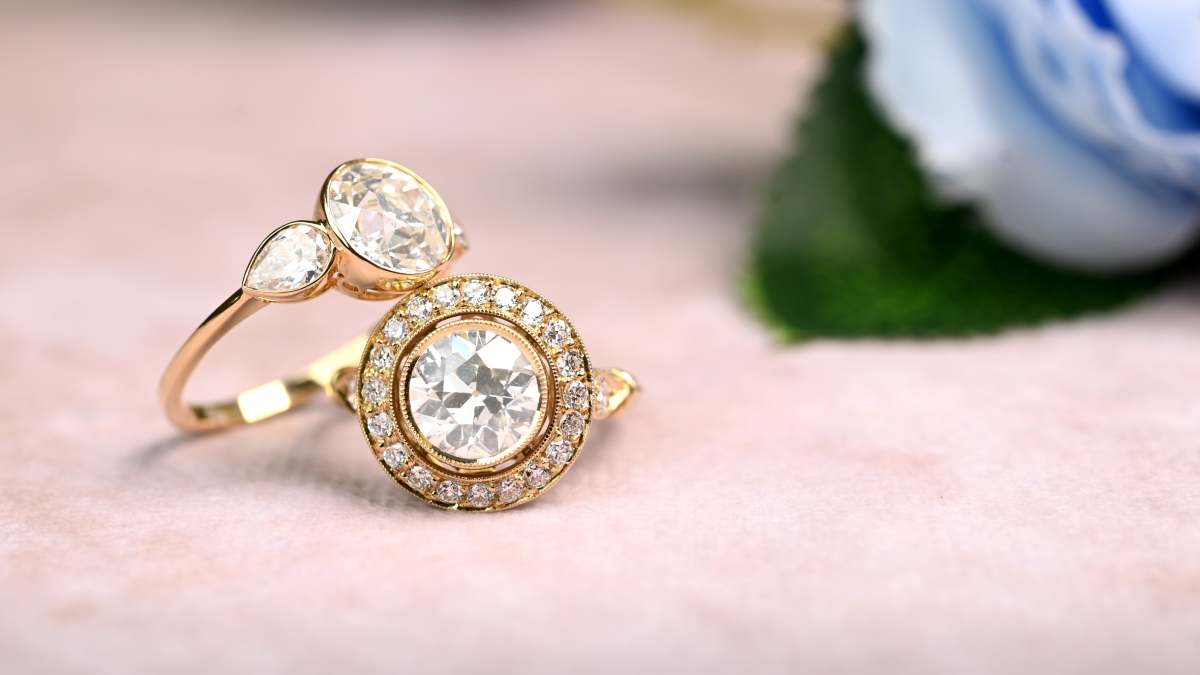
The gold for a 18K gold engagement ring will be made from 75% pure gold (and 25% alloy metals such as silver, copper, or zinc). This mix keeps the warm, rich color of gold while adding strength, making it a favorite for designer and high-quality engagement rings. It offers a high-end look without the extreme softness of 24K gold.
Typical Cost for Mounting: An 18K gold engagement ring setting typically costs between $900 and $1,800.
With its high gold content, 18K gold holds a lot of value of gold, though not as much as pure 24K, since the added alloys lower its purity.
Pros: 18K Gold will balance luxury with durability, and its available in yellow, white or rose gold. It will be more scratch-resistant than 24K gold.
Cons: 18K Gold costs more than 14K Gold. It may cause allergic reactions in people with sensitive skin. Jewelers usually prefer platinum when crafting high-quality detailed jewelry.
3. 14 Karat Gold Engagement Ring
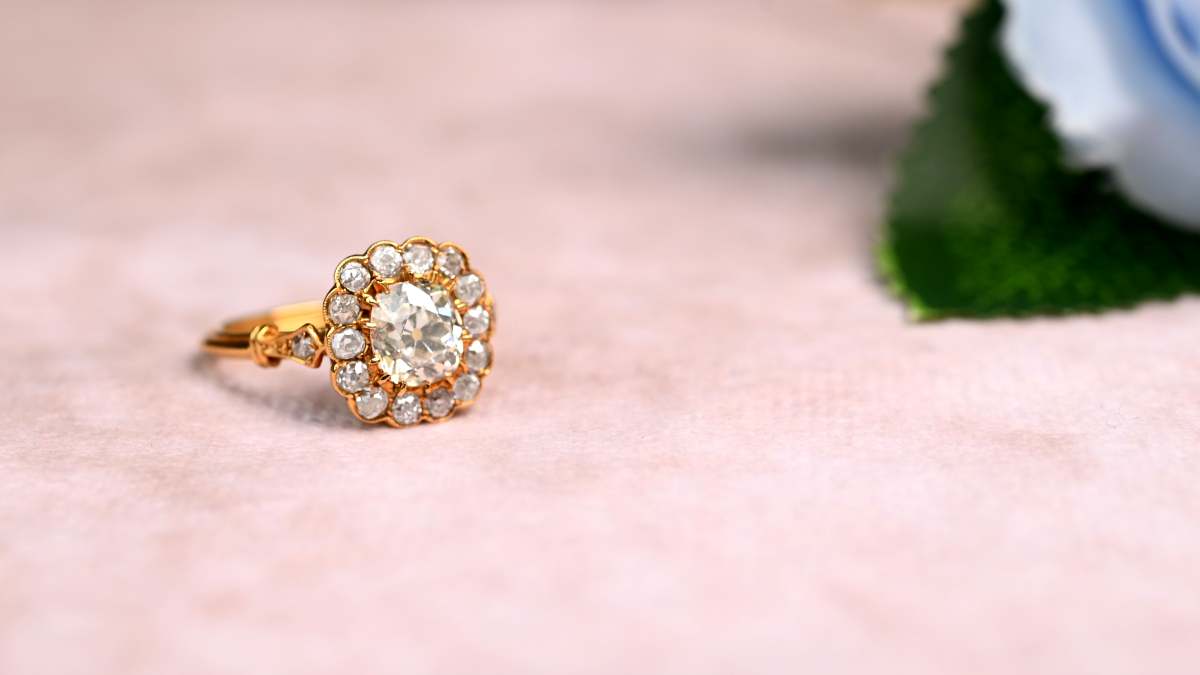
14K gold is made from 58.3% pure gold mixed with durable alloys. This blend makes it stronger and more affordable than higher-karat gold, while still offering a beautiful finish. Its mix of price, strength, and style has made it a very popular choice for affordable engagement rings.
Typical Cost for Mounting: A 14K gold setting usually costs between $600 and $1,200.
While 14K gold is excellent for everyday wear, it holds less resale value than higher-karat gold because of its lower gold content.
Pros: 14K gold is very durable and perfect for daily wear. It comes in yellow, white and rose gold options, and it is a lot more affordable than 18K or 24K gold.
Cons: 14K gold has lower intrinsic value due to less gold content. It also has a lesser reputation than 18k gold and platinum. Additionally, the color of 14K is much more “washed out” than 18K due to the alloys that are mixed into the gold. Finally, it’s important to note that 14K may cause allergic reactions for those sensitive to alloys.
4. Platinum Engagement Ring
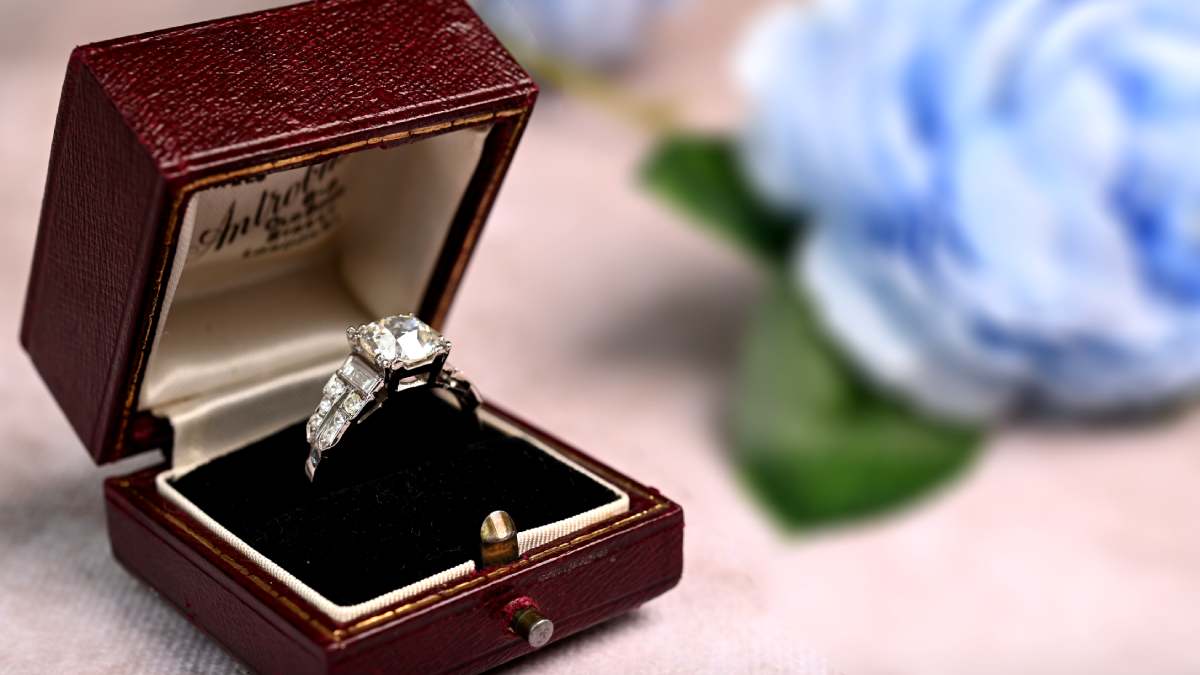
Platinum is our top option for a metal for an engagement ring. It’s rare, naturally white, and its renown for its strength and non-allergic qualities.
It’s one of the most durable metals for engagement rings, making it perfect for protecting and highlighting diamonds. Its bright, natural color never fades or needs plating. Expert jewelers usually prefer it due to its versatility and durability.
Typical Cost for Mounting: A platinum setting itself typically costs between $1,200 and $2,500.
Platinum keeps its value well because of its rarity, though resale prices can vary with the market.
Pros: Extremely strong and resistant to wear, naturally white, forms a beautiful shiny patina after wears of wearing, and great for sensitive skin. Favored by jewelers and expert craftsmen.
Cons: More expensive than gold and doesn’t come in yellow color.
5. Titanium Engagement Ring
Titanium is a lightweight, naturally strong metal that resists corrosion and wear. Its sleek, modern appearance makes it a popular choice for simple, minimalist engagement ring designs.
Typical Cost for Mounting: A titanium setting usually costs between $500 and $1,000.
While titanium is extremely durable, it has limited resale value because it’s abundant and not as valuable as precious metals like gold or platinum.
Pros: Very strong and scratch-resistant, lightweight and comfortable, and hypoallergenic.
Cons: Difficult to resize, fewer design possibilities due to its hardness, and despite its growing popularity it’s still not widely preferred for engagement rings.
6. Sterling Silver Engagement Ring
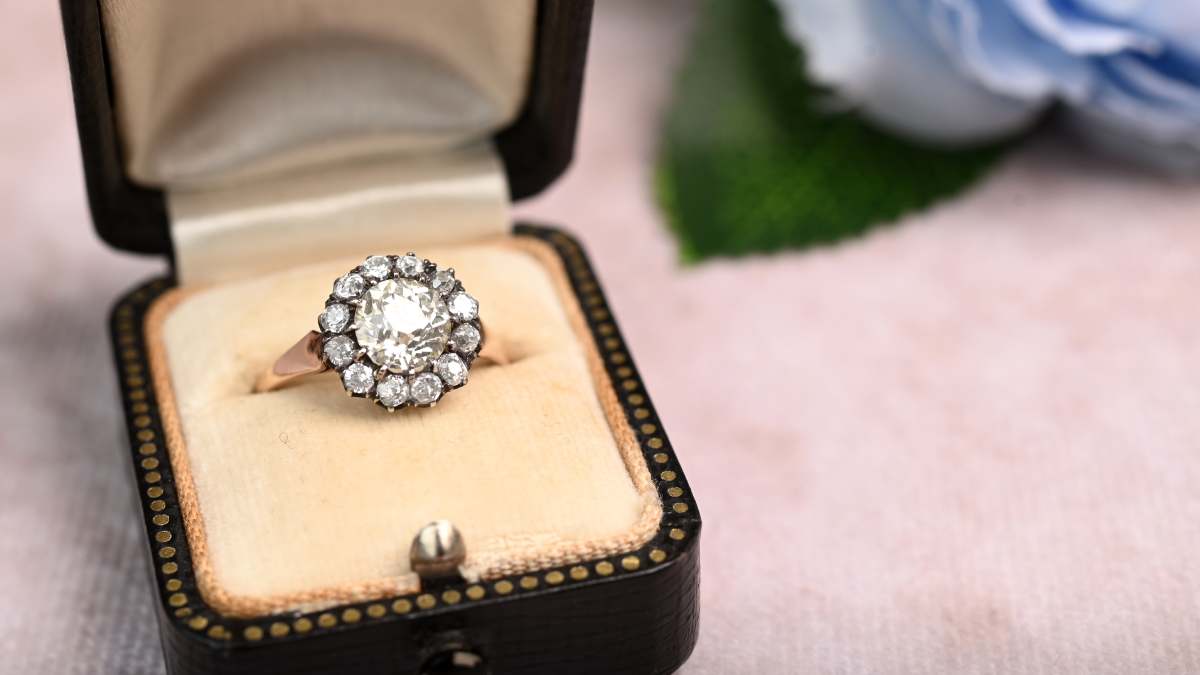
Sterling silver is made from 92.5% pure silver mixed with 7.5% other metals (usually copper) to give it extra strength. It’s affordable, versatile, and often chosen for decorative engagement rings or as a temporary setting. It has also been a popular option for engagement rings since the Georgian Era.
Typical Cost for Mounting: A sterling silver setting generally costs between $100 and $300.
Sterling silver does hold some resale value, since it’s a precious metal, but it’s far less valuable than gold or platinum.
Pros: Budget-friendly and easy to find, can be crafted into detailed, intricate designs, and lightweight and comfortable.
Cons: Tarnishes quickly and needs regular care, softer than other metals, scratches and dents easily, and not durable enough for long-term wear.
7. White Gold Engagement Ring
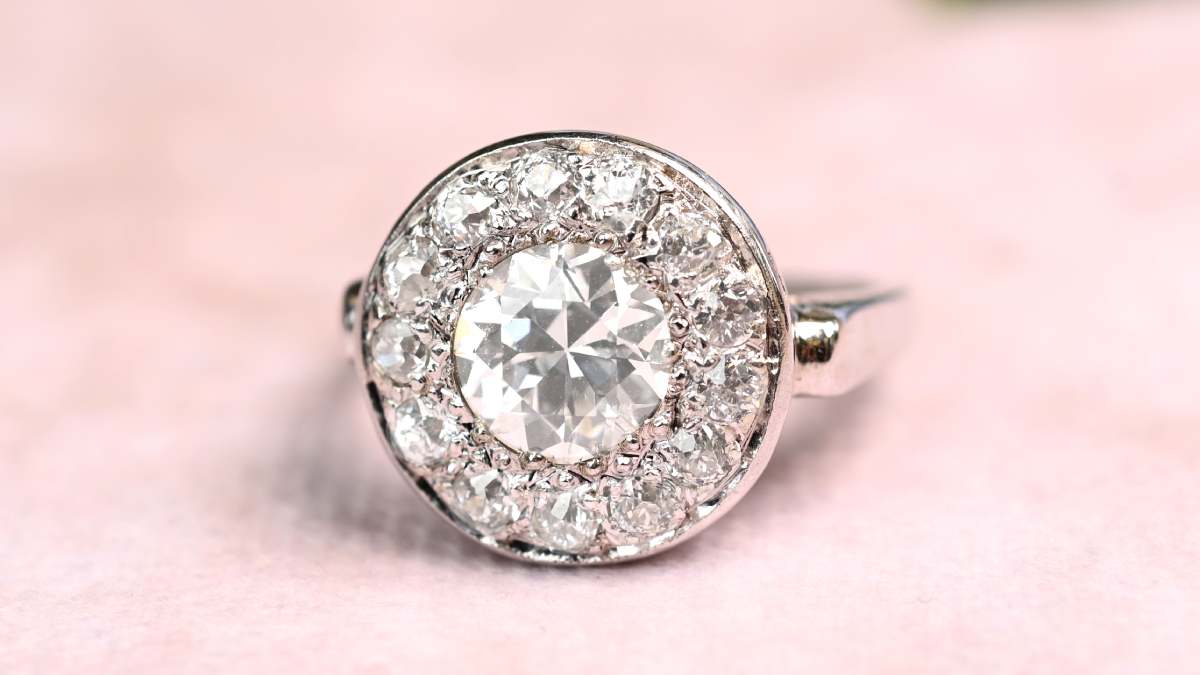
White gold is an alloy of yellow gold mixed with white metals such as nickel, palladium, or silver, and is typically plated with rhodium to enhance its bright, reflective finish. Its sleek, contemporary appearance makes it a favorite for engagement rings, especially for accentuating diamonds.
Typical Cost for Mounting: A white gold engagement ring mounting generally costs between $600 and $1,500.
White gold holds moderate resale value, but its rhodium plating requires regular maintenance to retain its original luster.
Pros: Elegant appearance, more affordable than platinum with a similar look, and durable enough for daily wear.
Cons: Requires replating to maintain its shine and may cause allergic reactions in individuals sensitive to nickel alloys.
8. Rose Gold Engagement Ring
Rose gold is crafted by combining yellow gold with copper alloys, giving it a warm, pinkish hue that exudes romance and vintage charm. Its unique color makes it a popular choice for engagement rings with intricate or vintage-inspired designs.
Typical Cost for Mounting: A rose gold engagement ring mounting typically costs between $600 and $1,200.
Rose gold holds moderate resale value due to its gold content, though its popularity as a fashion statement contributes to its desirability.
Pros: Romantic hue that suits many skin tones, durable and resistant to tarnishing, and offers a unique and stylish alternative to traditional metals.
Cons: Copper alloy may cause allergies in sensitive individuals, may trend out of style quickly, and less widely available than yellow or white gold.
Expert Tips to Consider When Choosing the Right Metal
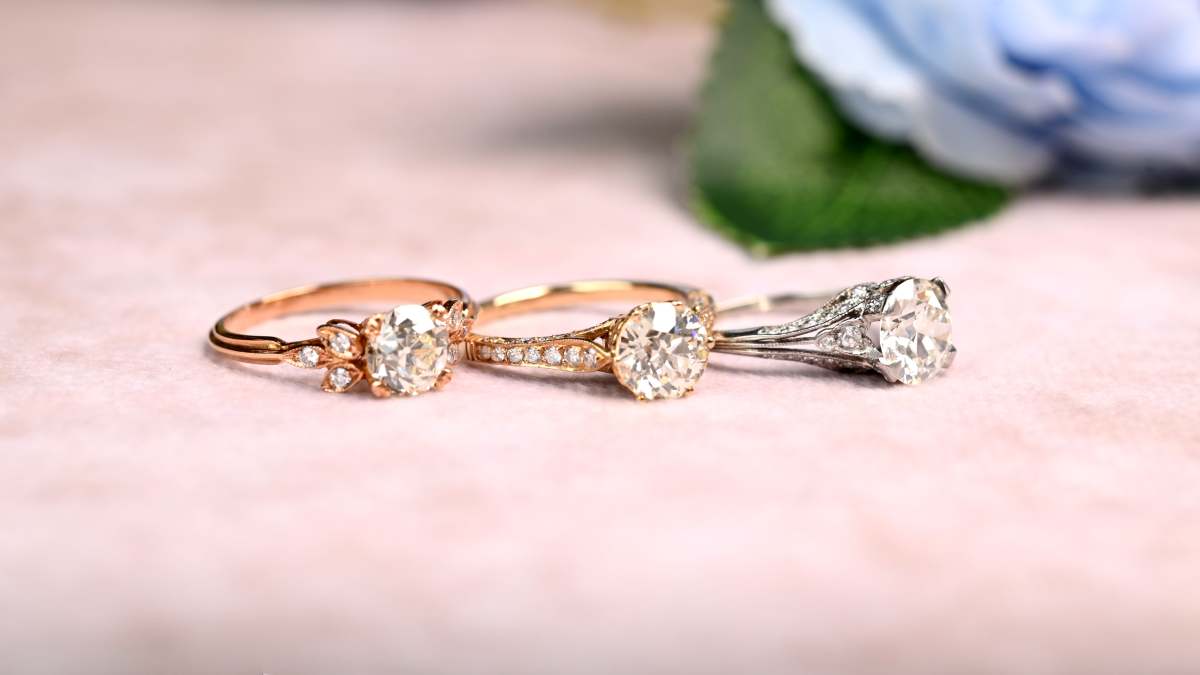
Here are our top things to consider when choosing which metal to use for your engagement ring. This was written in collaboration with Afshin Shaddaie and Michael Khordipour.
- Your Daily Lifestyle. If you’re active or work with your hands, durability matters. 14K gold and platinum are better suited for everyday wear, while higher-karat gold is softer and scratches more easily.
- Skin Sensitivity. If you have sensitive skin, stick with platinum or titanium. These are less likely to cause irritation compared to some gold alloys.
- Maintenance Requirements. Some metals require more upkeep. White gold, for example, needs rhodium plating over time to maintain its bright color, while silver can tarnish. Yellow gold and platinum are generally easier to maintain.
- Your Budget. Set your budget early. 14K gold offers a strong balance between durability and price, while platinum and 18K gold come at a premium.
- Long-Term Value. Gold and platinum retain intrinsic value over time. Metals like titanium are durable but have little to no resale value.
- Color Preference. Choose a color you genuinely like. Yellow gold has a warm, classic look, white gold and platinum is sleek and modern, and rose gold offers a softer tone.
- Wedding Band Pairing. Think ahead. It’s much easier to match your engagement ring with a future wedding band now than to fix a mismatch later.
- 14K vs 18K is a Real Tradeoff. 14K gold is more durable. 18K gold has a richer, deeper yellow color. You’re choosing between strength and color, not just price.
- Scratch Resistance vs. Scratch Appearance. Platinum scratches, but it forms a natural patina and doesn’t lose metal. Gold can actually wear down over time. This difference becomes noticeable after years of wear.
- White Gold Isn’t Naturally White. That bright white finish comes from rhodium plating. It will fade and need to be reapplied periodically.
- Platinum Feels Heavier. Platinum rings have more weight than gold. Some people love the substantial feel, others prefer something lighter.
- Resizing Matters Later On. Gold and platinum are easy to resize. Titanium and tungsten are very difficult or impossible to adjust.
- Mixing Metals Can Work (If Done Intentionally). Your engagement ring and wedding band don’t have to match perfectly, but the contrast should feel deliberate, not accidental.
Talk to a Jewelry Expert

Ready to find your perfect ring, but need advice?
Contact our expert jewelers and we can plan out a ring that fits your style preferences and budget. We respond within one business hour.


