
Blog
Benjamin’s Guide for Champagne and Fancy Brown Diamonds

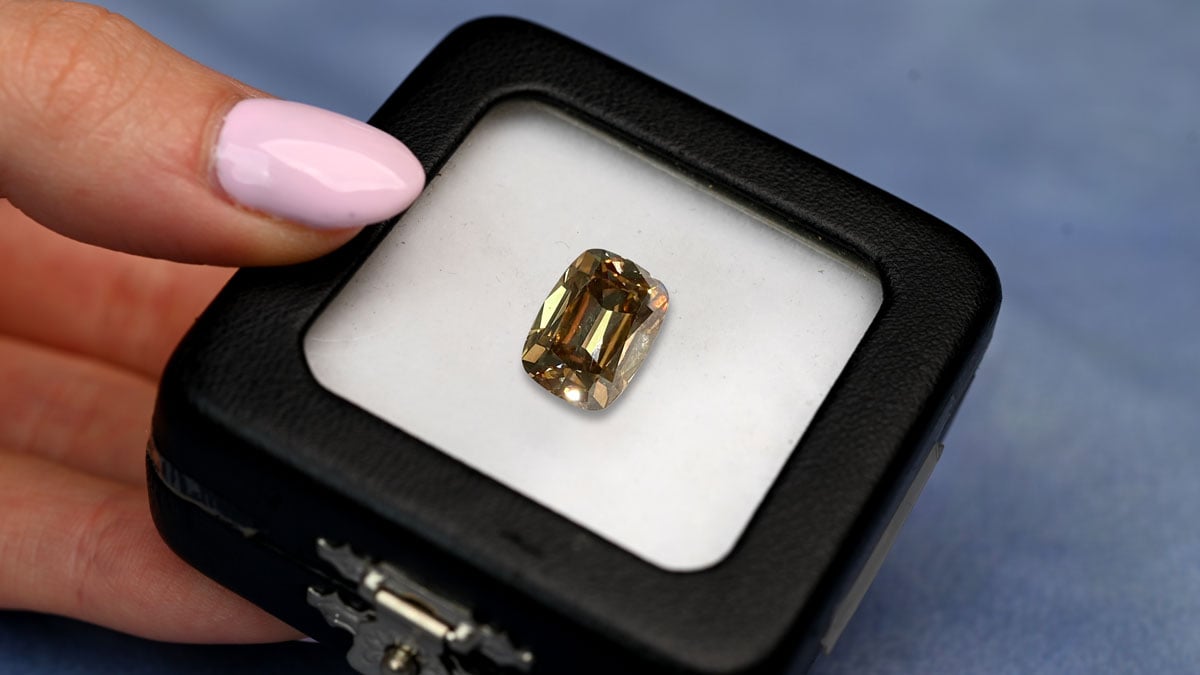
The fancy brown diamond (aka champagne diamond) is trending very high among diamond collectors in 2026. In this article, GIA-certified gemologist Benjamin Khordipour explains everything that you need to know before you make your purchase.
Have a question for an expert? Skip to the bottom and send us your questions!
What is a Fancy Brown Diamond?
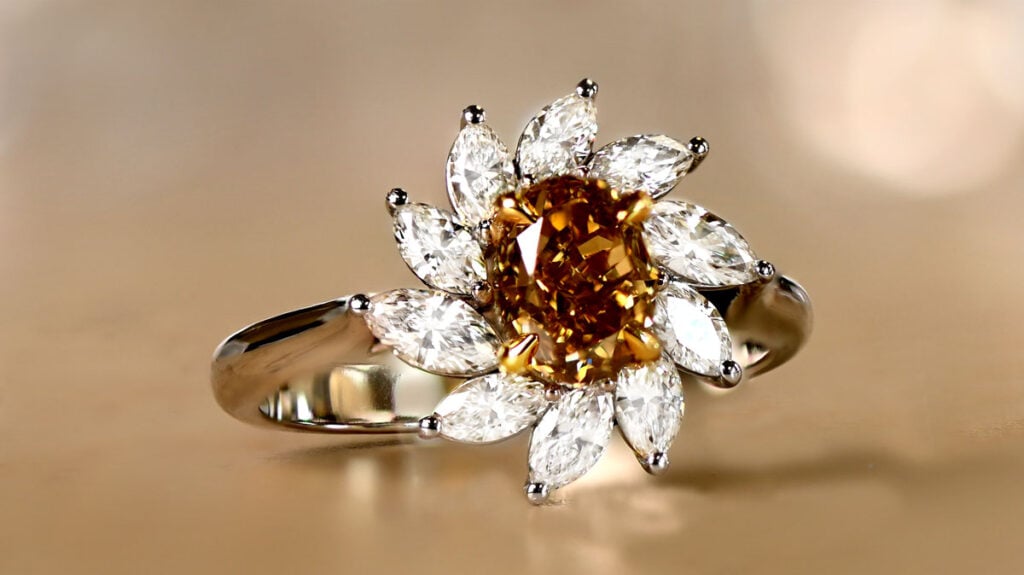
A fancy brown diamond is a natural diamond with a visible brown body color. Unlike a regular white diamond that may have a slight brown tint near the lower end of the D-Z color scale, a fancy brown diamond has enough color to be graded as a colored diamond. Its beauty comes from its warmth, depth, and earthy richness rather than the icy brightness people usually expect from white diamonds.
For serious buyers, the most important thing to understand is that not all brown diamonds are equal. A fine brown diamond should have attractive color, good saturation, and life in the stone. Some brown diamonds look golden, cognac, chocolate, pinkish, or reddish, while others can look dull or muddy. The best examples are natural, well-cut, properly certified, and set in a way that brings out their warmth.
Expert Technical Guide for Fancy Brown Diamonds
For this section, I worked together with colored diamond expert Afshin Shaddaie to outline the key details every serious shopper should understand before buying a fancy brown diamond. We’ll cover fancy brown diamond intensity grades, color modifiers, color distribution, treatments, and the common trade terms used in the market.
1. Fancy Brown Diamond Intensity Grades
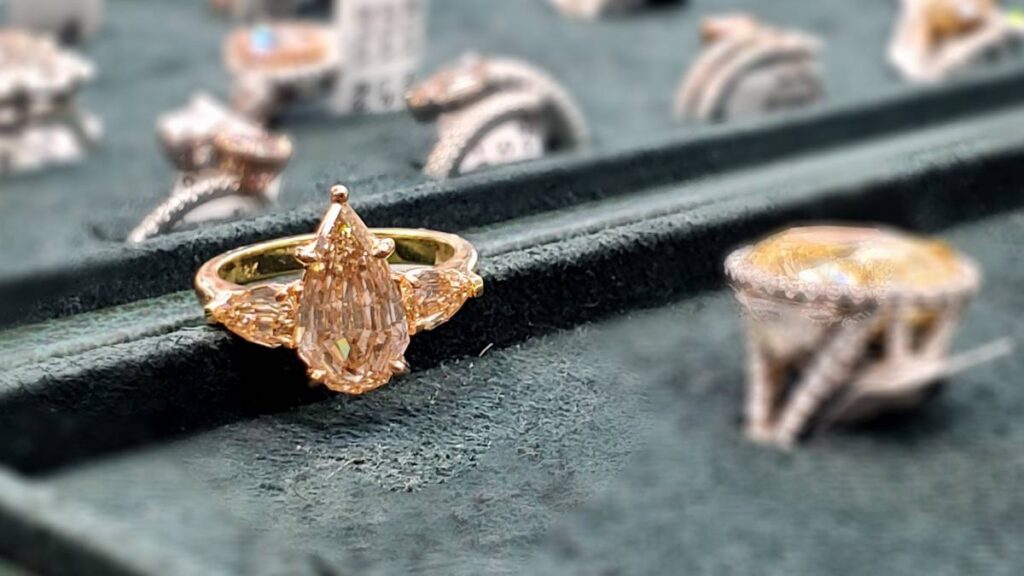
Fancy brown diamonds are graded by the color strength and depth of their brown color.
The 7 GIA intensity grades for fancy brown are Faint Brown, Very Light Brown, Light Brown, Fancy Light Brown, Fancy Brown, Fancy Dark Brown, and Fancy Deep Brown. As the grade becomes stronger, the diamond will usually show more visible color and a richer face-up appearance.
For serious shoppers, it is important to know that a higher intensity grade is not always automatically better, without considering other aspects. A Fancy Brown diamond may look warm and vibrant, while a Fancy Dark Brown diamond may look deeper, heavier, and more dramatic. The best choice depends on the actual beauty of the stone, the evenness of the color, the cut, and how the diamond looks in its setting. See below.
Expert Note: Brown diamonds are graded a little differently from many other fancy color diamonds. Terms like Fancy Intense and Fancy Vivid are not typically used as the ideal target for brown diamonds. In most cases, the most desirable brown diamonds are simply graded Fancy Brown, especially when the color is rich, even, warm, and attractive without becoming too dark.
2. Fancy Brown Diamond Color Modifiers
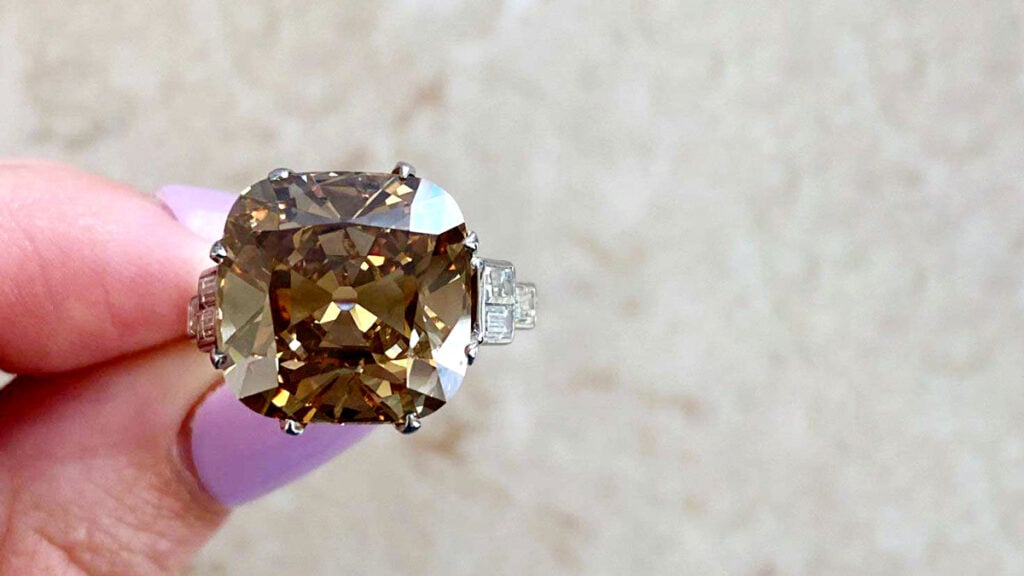
Most fancy brown diamonds are not pure brown. They often carry a secondary color, known as a color modifier, that changes the way the diamond looks. This modifier can make the brown appear warmer, softer, brighter, rosier, redder, grayer, or more golden. For serious buyers, the modifier is one of the most important details on the report because it can strongly affect both beauty and value.
The most desirable brown diamonds usually have a modifier that adds richness or warmth without making the stone look cloudy or dull. Pinkish brown, reddish brown, orangy brown, and yellowish brown diamonds can be especially attractive when the color is even and lively, while greenish brown or purplish brown diamonds can be unusual and collectible when the color combination is beautiful.
| Brown Diamond Color | What It Looks Like | Buyer’s Note |
|---|---|---|
| Brown | A brown diamond without a noticeable secondary color modifier. | Often the cleanest and most classic brown diamond category. The best examples have a rich, even, warm brown color without looking too dark, flat, or muddy. |
| Pinkish Brown | A brown diamond with a soft pink influence. | Often one of the most desirable brown modifiers because the pink tone can make the diamond feel warmer, rarer, and more romantic. |
| Reddish Brown | A brown diamond with a red or coppery undertone. | Can be very attractive and collectible, especially when the red influence is visible and the stone does not become too dark. |
| Orangy Brown | A warm brown diamond with orange or cinnamon-like tones. | Usually gives the diamond a rich, glowing appearance. This can be a very appealing choice for vintage-style rings. |
| Yellowish Brown | A brown diamond with a golden or champagne-like appearance. | One of the most common and wearable modifiers. It can look beautiful in yellow gold, especially when the color is clean and bright. |
| Greenish Brown | A brown diamond with a greenish undertone. | Rare-looking but harder to judge. It can be intriguing, but the color combination must look natural, pleasant, and not muddy. |
Expert Note: GIA color descriptions can sometimes include more than one modifier before the dominant brown color. For example, a diamond may be described as Greenish Yellow Brown, meaning the diamond is still primarily brown, but it also shows noticeable yellow and greenish influences.
3. Fancy Brown Diamond Color Distribution
Color distribution refers to how evenly the brown color appears across the diamond. In a well-balanced fancy brown diamond, the color should look consistent when viewed face-up, without obvious pale areas, dark patches, or uneven zones. This matters because even color distribution usually makes the diamond look richer, cleaner, and more attractive in a ring.
Color distribution should be judged with the eyes (of a professional), not only from the report. A diamond may have a good grade, but if the color appears patchy, watery, or concentrated in only part of the stone, it can look less desirable. The best fancy brown diamonds have a pleasing, steady color that works together with the cut, sparkle, and setting.
On a GIA report, the color distribution of a fancy brown diamond is usually described as either Even or Uneven, showing whether the brown color appears consistent across the stone.
4. Fancy Brown Diamond Treatments and Lab Diamonds
Fancy brown diamonds should always be purchased with caution, especially when treatment or lab-grown origin is involved.
Some brown diamonds have been color-treated to improve or change their appearance, and while this may make the stone look more attractive (at first glance), it dramatically lowers its value, rarity, and long-term desirability. A treated brown diamond is not the same as a natural fancy brown diamond, and serious buyers should never pay natural diamond prices for a stone whose color was artificially altered.
We also strongly caution against buying lab-grown brown diamonds, especially for an important engagement ring or collector-quality piece. Lab diamonds may look similar to natural diamonds, but they do not carry the same rarity, history, market strength, or long-term value. For serious shoppers, the safest and strongest choice is a natural fancy brown diamond with a respected laboratory report (ideally the GIA) that clearly confirms both natural origin and natural color.
5. Fancy Brown Diamond Trade Terms
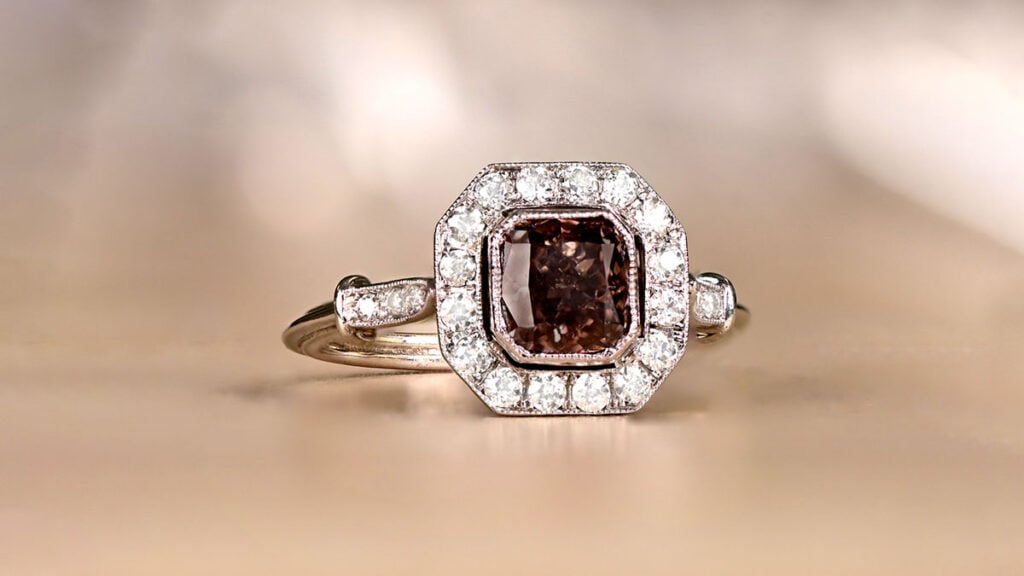
Fancy brown diamonds are often described with trade names instead of only their laboratory color grade. Terms like champagne, cognac, chocolate, cinnamon, and coffee are used to help shoppers picture the diamond’s color in a more familiar way. These names can be useful, but they are not the same as a formal GIA color grade.
That being said, the diamond certificate will matter much more than the trade term. And the real value depends on whether the color is natural, how strong the brown color is, what modifiers are present, and whether the color distribution is even.
“Always use the trade term as a visual guide,” says Benjamin Khordipour G.D., “not as proof of rarity or value.”
| Trade Term | What It Usually Means | Buyer’s Note |
|---|---|---|
| Champagne Diamond | A lighter brown diamond, often with golden or yellowish warmth. | Usually one of the softer and more wearable brown diamond looks. The exact GIA color grade should still be checked. |
| Cognac Diamond | A richer brown diamond with orange, reddish, or amber-like warmth. | Often more dramatic than champagne. Beautiful examples can look warm, deep, and vintage-friendly. |
| Chocolate Diamond | A dark brown diamond, often used to describe deeper brown tones. | This is a marketing term, not a lab grade. Some are attractive, while others may look too dark or flat. |
| Coffee Diamond | A brown diamond with a dark, roasted, or espresso-like appearance. | Can be stylish, but shoppers should make sure the stone still has life and sparkle. |
| Cinnamon Diamond | A warm brown diamond with orange or spicy undertones. | Can overlap with orangy brown diamonds. This term usually suggests warmth and richness. |
| Honey Brown Diamond | A lighter to medium brown diamond with golden warmth. | Often a pleasant, softer look, especially in yellow gold. The diamond should not look washed out. |
| Caramel Diamond | A warm brown diamond with creamy golden or amber tones. | Usually used for stones that feel softer and less dark than chocolate or coffee diamonds. |
| Bronze Diamond | A brown diamond with a metallic, coppery, or reddish-gold feel. | Can be attractive when the color is even and lively, but the formal color description is still what matters most. |
6. Other Factors in a Fancy Brown Diamond
After color, the most important buying factors are the details that affect beauty, rarity, durability, and long-term value. A fancy brown diamond should not be judged by color alone. Buyers, especially those hoping to invest as well, should also look closely at the clarity, carat weight, cut quality, natural origin, fluorescence, and the strength of the certification lab.
- Certification Lab: A respected lab report is essential. For important fancy brown diamonds, GIA is the preferred standard, because in addition to its leading authority for fancy diamonds, its report confirms the color description, color origin, clarity, measurements, and other critical details.
- Clarity: Brown color can hide some inclusions, but the diamond should still be eye-clean and structurally safe. Avoid stones with major surface-reaching feathers, chips, or inclusions that affect durability.
- Carat Weight: Larger natural fancy brown diamonds can be impressive, but size should not come before beauty. A smaller diamond with rich color and strong life is often better than a larger stone that looks dull or uneven.
- Cut: Cut has a major impact on how the brown color appears face-up. The right cut can make the diamond look warm, lively, and rich, while poor cutting can make it look dark, flat, or muddy.
- Origin: Serious buyers should confirm that the diamond is natural and that the color is natural. Treated or lab-grown brown diamonds do not carry the same rarity, value, or collector appeal.
- Fluorescence: Fluorescence can affect the way a brown diamond looks in certain lighting. It is not always bad, but strong fluorescence should be reviewed carefully to make sure it does not make the stone appear hazy or less attractive.
Shop Champagne Diamonds and Fancy Brown Diamonds
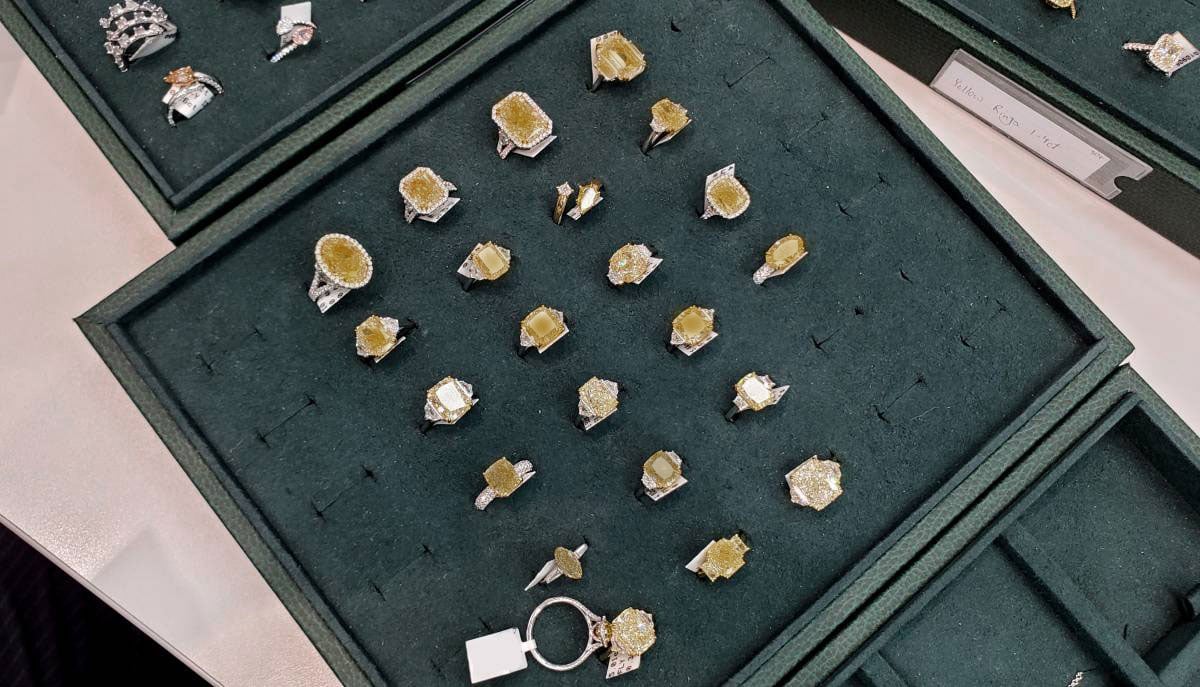
Estate Diamond Jewelry has a rare collection of fancy champagne diamonds and fancy brown diamonds available across many different price ranges. Fill out the form below, and our team will work with you to find the perfect gemstone for your style, budget, and long-term goals.
How Much do Champagne Diamonds and Fancy Brown Diamonds Cost?
The price of a champagne or brown diamond is almost impossible to estimate accurately without seeing the exact stone and its report. The value can change dramatically based on whether the diamond is natural or treated, the GIA color description, the strength of the brown color, the modifier, the evenness of color distribution, the carat weight, clarity, cut, fluorescence, and the quality of the setting. Two brown diamonds of the same carat weight can have completely different prices if one has a desirable pink, red, purple, or orange modifier and the other looks dark, flat, or muddy.
As a very general starting point, entry-level natural champagne diamonds and fancy brown diamonds can begin around $4,000 per carat, especially when the color is pleasant but not exceptionally rare. From there, prices can rise sharply depending on the exact GIA color description, modifier, size, cut, clarity, and overall beauty of the stone. At the high end, rare and important fancy brown diamonds, especially those with desirable pink, red, purple, or orange modifiers, can start around $80,000 per carat and climb much higher. For serious buyers, these numbers should be treated only as broad guidelines, not fixed pricing rules.
Important Note: When buying a fancy brown or champagne diamond, it is critical to work with a trusted jeweler who can confirm that you are getting proper value and that every major factor, including color, origin, treatment, cut, certification, and market desirability, has been carefully considered.
Afshin’s 7 Biggest Mistakes to Avoid for Fancy Brown and Champagne Diamonds
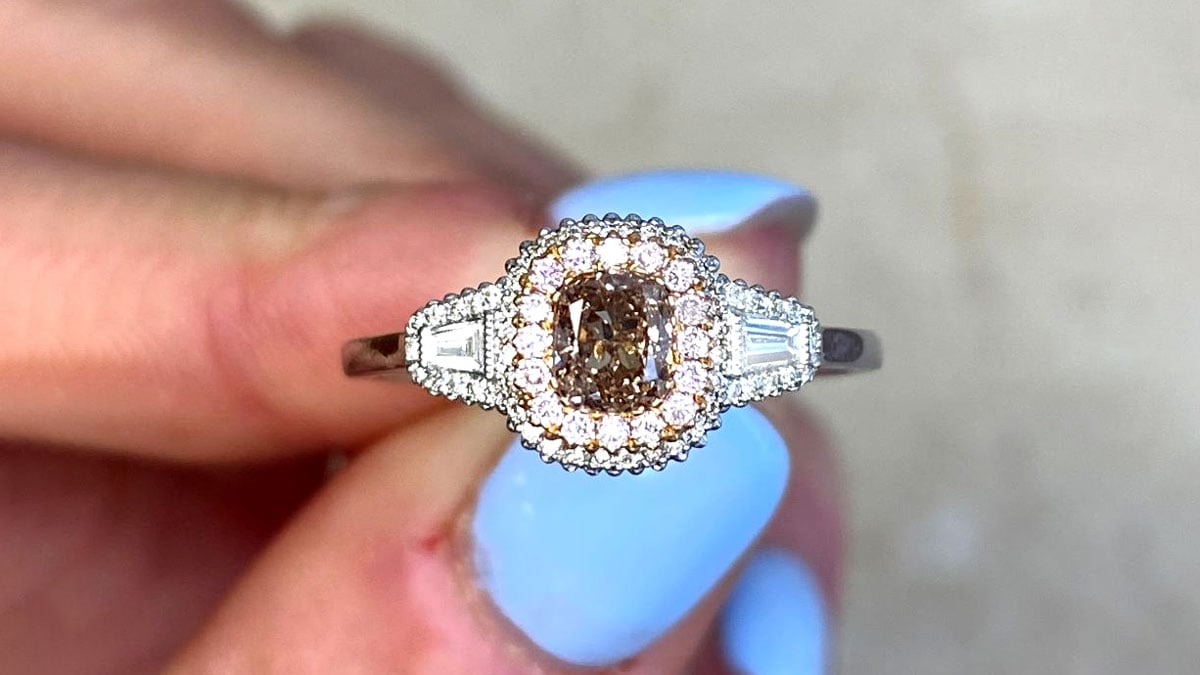
Afshin’s biggest warning for shoppers is that brown and champagne diamonds should never be purchased by color name alone. The words “champagne,” “cognac,” and “chocolate” can sound appealing, but they do not tell the full story of the diamond’s quality, rarity, or value.
A smart buyer needs to look at the exact color grade, modifier, natural origin, treatment status, color distribution, cut quality, and overall beauty of the stone before deciding whether the diamond is worth the price.
- Ignoring the GIA report. A serious fancy brown diamond should have a respected lab report confirming the color, color origin, clarity, measurements, and whether the diamond is natural.
- Assuming darker means better. A darker brown diamond is not automatically more valuable. Some darker stones look rich and dramatic, while others look flat, heavy, or lifeless.
- Overlooking color modifiers. Pinkish brown, reddish brown, orangy brown, yellowish brown, and greenish brown diamonds can have very different appearances and market values.
- Not checking for treatment. Treated brown diamonds can look attractive, but they do not carry the same rarity, value, or long-term desirability as natural fancy brown diamonds.
- Focusing too much on carat weight. A larger champagne or brown diamond is not always the better purchase. Color quality, cut, and life in the stone are often more important than size.
- Buying a dull stone because the price seems good. Some fancy brown diamonds are inexpensive for a reason. If the stone looks muddy, uneven, overly dark, or lifeless, the discount may not be a good deal.
Talk to a Fancy Color Diamond Expert
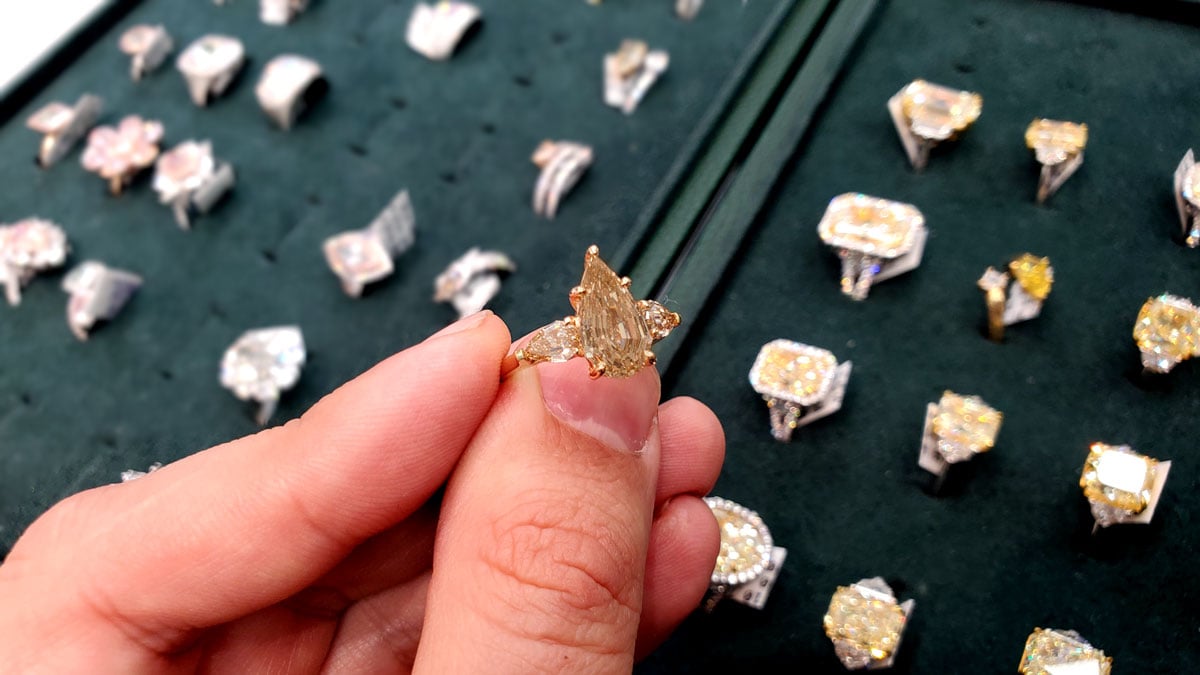
Fancy brown and champagne diamonds are highly individual gemstones, and the right choice depends on far more than carat weight or a simple color name. Speak with one of our color diamond experts, and we’ll help you compare the color grade, modifier, origin, cut, certification, and setting options so you can choose a diamond with confidence.
We respond to messages within one business hour.
