
Blog
Should You Buy a Lab-Grown Diamond?


In recent years, lab-grown diamonds have gained widespread attention and are often praised as a “modern alternative” to natural diamonds. A quick glance and a search online might make them seem like “the smart and affordable choice”. But in this article, we’ll show why lab-grown diamonds are one of the most misleading trends the jewelry-world has seen in the past century.
This article was co-authored by jewelry-veterans Michael Khordipour, Afshin Shaddaie, and Benjamin Khordipour.
6 Reasons Not to Buy a Lab-Grown Diamond
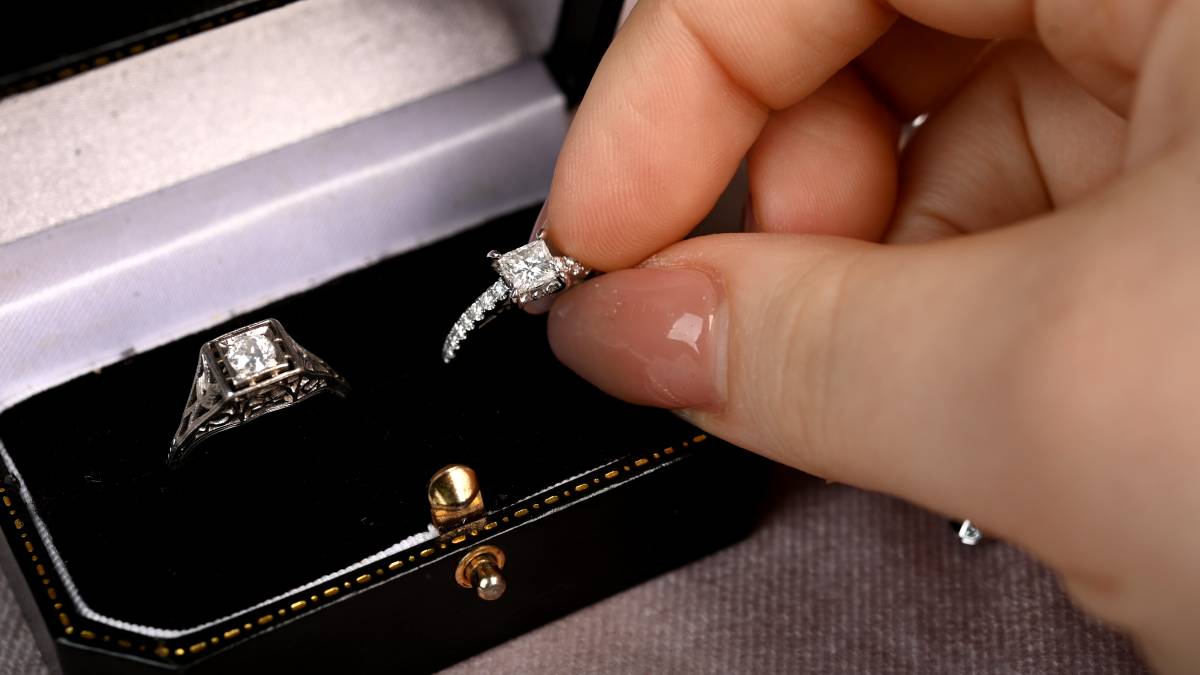
Here are the key 6 reasons why we believe that lab-grown diamonds are fundamentally a bad idea, and should be avoided at all costs. Skip to the bottom, to understand why we’re qualified to give a fair opinion even though, we sell vintage natural diamonds.
1. Lab Diamonds Have Oversaturated Market
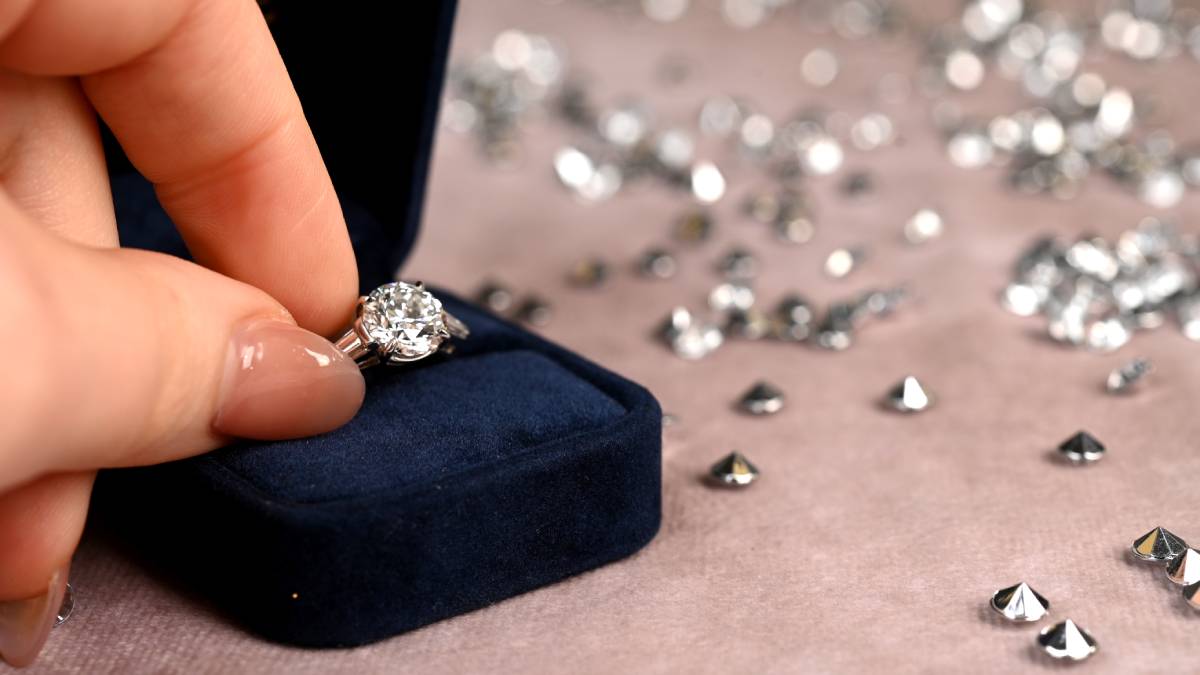
The biggest and most concerning issue with lab-grown diamonds is the lack of market control. The cost to buy the machine that makes a lab-grown diamond is now worth under $10,000. Anyone can easily make a lab diamond, and there’s no limit to how many can be produced.
Unlike natural diamonds, which form deep within the earth over millions of years and are released into the market in controlled amounts, lab diamonds can now be manufactured in unlimited quantities. This endless supply is flooding the lab-grown diamond industry, causing prices to drop rapidly. It’s a genuine market glut.
“I’ve seen it firsthand,” says Michael Khordipour. “A lab diamond that sold for $30,000 just a few years ago, is now worth a tiny fraction of that price. And as production keeps ramping up, I predict that the prices will continue to drop.”
The natural diamond, however, has a market supply that is very carefully managed. Companies like De Beers control how many diamonds are released each year, helping maintain demand and protecting long-term value. Supply is carefully regulated and the natural diamond market is flourishing.
2. Lab-Grown Diamonds Aren’t a Budget-Friendly Option
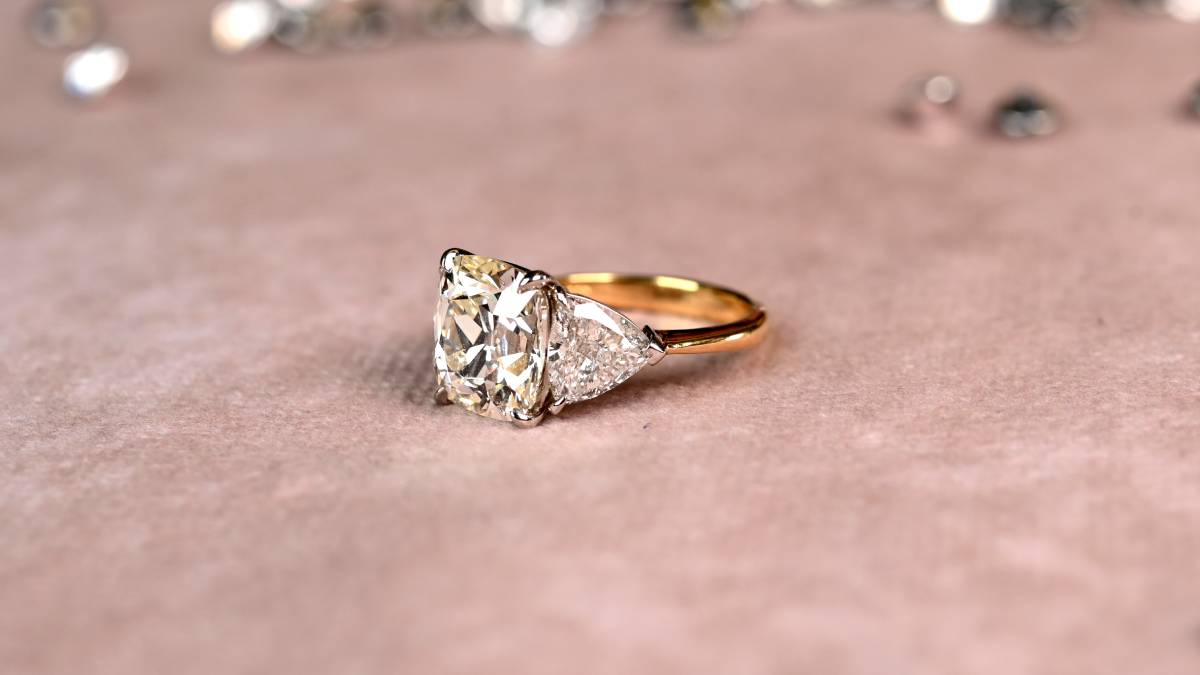
Lab-grown diamonds are often marketed as the “affordable alternative” to natural diamonds and they’re typically listed at 60–80% cheaper. But if the couple’s goal is simply to save money, they’re not the cheapest option on the market at all.
Let’s compare three white gemstones that all appear almost identical to the average eye. Each of them are 1.50 carats, G color, and VS2 clarity:
- Natural Diamond: $13,500
- Lab-Grown Diamond: ~$1,700 – $2,200
- Cubic Zirconia (CZ): ~$100
It’s very easy to see the problem with lab diamonds. They’re not really affordable at all when compared to the options that are readily available.
If a couple is not ready to invest in a natural diamond, it is perfectly understandable. No one should ever go into debt in order to buy a diamond. And buying a earth-mined diamond is a big financial decision that many are not yet ready to take. But in that case, it is far better to purchase a Cubic Zirconia, which offers almost the same visual effect, but for a fraction of the price.
The lab-grown diamond buyer is paying a premium for a “diamond” that only has a temporary illusion of value. It’s not a natural gemstone and its price is also heavily inflated.
In short, the lab diamond costs much more than cubic zirconia, but it doesn’t hold any worth, making it a poor middle-ground. As you’ll see in the next points, that middle ground comes with a steep long-term downside.
3. Lab-Grown Diamonds Have No Resale Market
Of all the reasons to avoid lab-grown diamonds, and this may be the one that most customers are never told: you won’t be able to sell them.
If a couple tries to bring their lab-grown diamond to any jeweler (or thrift store) and asks them to buy it. Most buyers won’t even be willing to present an offer. Not even for a quarter of market value. And not even for ten percent.
Even the original lab-grown diamond store that sold it to the couple won’t want it back, unless, of course, they’re forced to buy it back because of a clause in the return policy.
Why? Because it’s cheaper and easier for a lab-diamond dealer to simply make a new lab diamond than to buy back from the market. In other words, the lab diamond is like a pebble in the street. There’s no rarity, no market control, and no real value.
One might say, “But I don’t plan to ever sell it.”
That’s a fair argument. But in that case, as mentioned above, just buy a diamond simulant like cubic zirconia or moissanite and save the money. No one can tell the difference anyways.
As Michael Khordipour puts it: “There is nothing particularly rare or distinct about the lab-grown diamond. They’re being created almost endlessly.”
4. Lab Grown Diamond Prices are Falling Rapidly
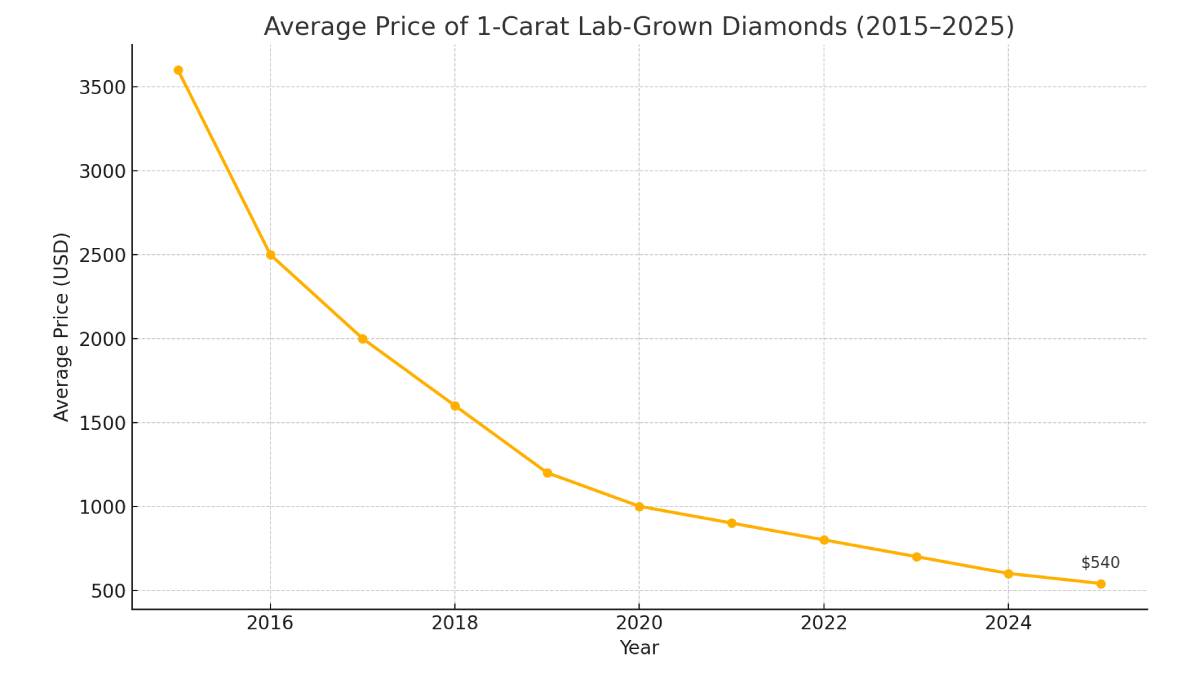
We’ve been watching the lab-grown diamond market carefully over the past few years, and we’ve seen a massive drop recently.
In other words, the lab diamond prices are falling very quickly. Too quickly.
“One of the most alarming issues with lab-grown diamonds is their massive price drop,” says Benjamin Khordipour G.D. “They’ve lost almost 80% value from 2020 to 2026, which is only one of the massive red flags associated with lab-grown diamonds. I estimate that they will drop even further throughout 2026.”
This will also greatly impact the ability of a lab-grown diamond to be any form of financial inheritance for the next generation.
5. Lack of Marital Commitment Value in a Lab Diamond
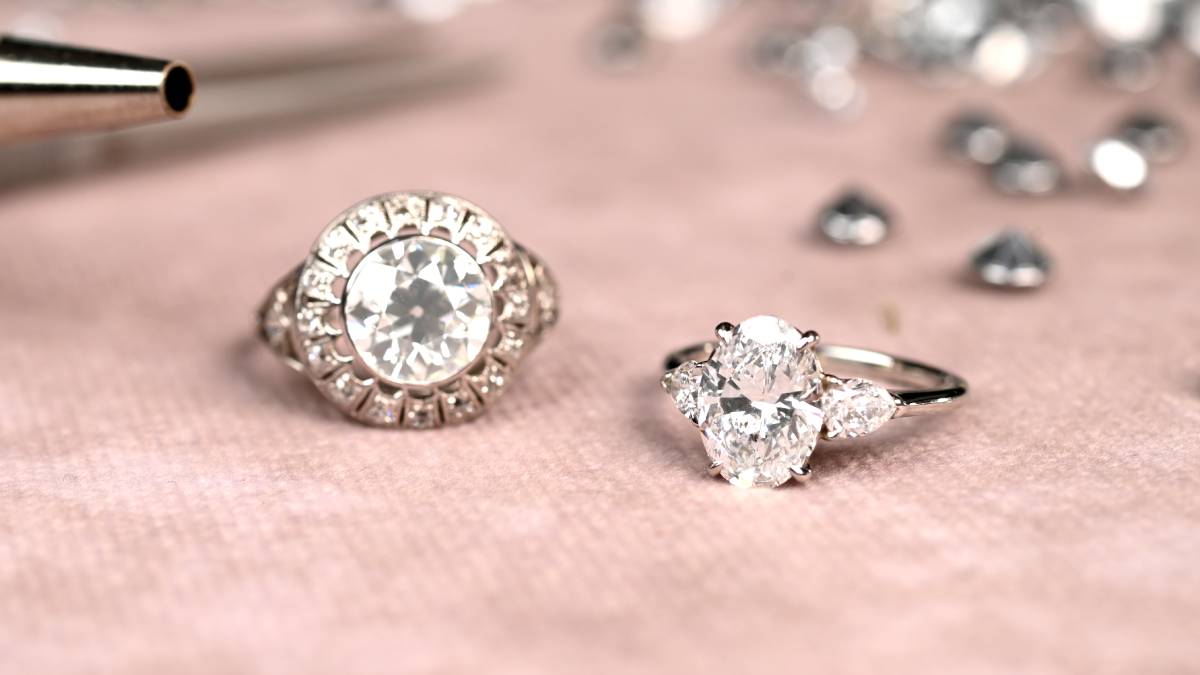
Historically, engagement rings served several important purposes. The first reason is for the man to show his love and commitment with a gift that is both unique and valuable. The second reason is for the man to prove that he has the finances and ability to provide for her and their future family. The third reason is to provide her with something valuable that she has easy access to in an emergency.
The lab-grown diamond does not tick any of the above boxes. As we explained, lab diamonds are not unique or valuable, and can easily be reproduced. They are so cheap right now and therefore do nothing to prove that he can provide for his wife and future family. And finally, lab diamonds cannot be sold for even a fraction of the purchase price in case of an emergency.
That being said, if someone wants to get engaged now and cannot afford a real natural diamond, that’s no problem at all. He should buy a cubic zirconia for a few dollars, and then buy the real diamond later on in life when they can afford to do it properly.
6. No Heirloom or Legacy Value in a Lab Diamond
Most couples hope that their diamond ring won’t be just about their own journey, but rather the start of their generational family story. That’s the way its been for diamond rings for generations. The ring gets passed down through the generations, either to be reused for proposals, to be worn as family keepsake, or to be sold on a rainy day. Because it’s an item of great value, it is kept and treasured.
Genuine natural diamonds, because of their value and significance, have long been passed down through generations. They carry decades (sometimes centuries) of love, sacrifice, and memory, but unlike costume jewelry which may get discarded, a natural diamond is worth too much money to discard.
Lab-grown diamonds, on the other hand, like most cheap costume jewelry, don’t carry the same sense of value. There’s no financial value to anchor them to your family’s legacy.
If your great-granddaughter inherits your ring one day, will it still stay in the family?
The FTC’s Involvement in Lab-Grown Diamonds

As soon as lab-grown diamonds hit the market and began to make waves, the FTC saw a massive problem. Jewelers were selling lab diamonds and not clearly marking them as lab-grown.
In 2018, the FTC started a crackdown on jewelry companies representing their lab-grown diamonds as genuine naturally mined diamonds. In fact, according to the FTC, using the term “diamond” for a lab-grown diamond is illegal unless you add a descriptor that makes it clear that it is lab-made.
Important Note: According to FTC rules, if a store wants to sell lab-grown diamonds or gemstones, it must declare that the product was made in a lab. It can’t leave this information ambiguous.
The Benefits of Lab-Grown Diamonds
While we strongly advise against buying lab-grown diamonds for engagement rings, it’s only fair to acknowledge that they do have a few upsides. Here are the benefits of lab-grown diamonds.
- They’re cheaper than natural diamonds. If your only goal is to spend less upfront than a natural diamond, lab diamonds do cost significantly less. (That said, if saving money is your top priority, we strongly recommend going with a Cubic Zirconia, which looks similar and costs less than $20.)
- They’re useful for industrial purposes. Lab-grown diamonds are extremely hard and durable, making them ideal for cutting, drilling, and other manufacturing applications.
- They’re more environmentally friendly than newly mined natural diamonds. Lab-grown diamonds don’t require mining, which reduces environmental impact. That being said, we believe the even better option is to choose vintage or antique diamonds, which have zero new environmental footprint.
How to Tell If a Diamond Is Lab-Grown or Natural

The good news is that professional certification labs like GIA can reliably identify whether a diamond is natural or lab-grown. With advanced imaging tools and fluorescence analysis, gemologists can spot even high-quality synthetics.
According to the Gemological Institute of America (GIA), lab-grown diamonds often show unusual fluorescence patterns when viewed under specialized equipment like the DiamondView. These patterns are not found in natural diamonds, even if both stones share the same color and clarity grade.
However, it’s important to note that most consumer-grade diamond testers cannot tell the difference between lab-grown and natural diamonds. This is especially concerning given that synthetic diamonds are now available in sizes exceeding 10 carats.
If you have any doubts about a diamond’s authenticity, do not rely on pocket testers. Instead, have the stone professionally evaluated and certified by a trusted lab such as GIA, IGI, or AGS.
Bottom line: While lab-grown diamonds can closely mimic natural ones to the naked eye, experts using the right tools can still tell them apart with precision.
Definition of a Lab Grown Diamond

A lab-grown diamond is man-made diamond created in a controlled environment using an advanced technological process that replicate the natural conditions under which diamonds form. They have the same chemical, physical, and optical properties as natural diamonds, but lack the rarity, the controlled supply, and geological history that give natural diamonds their value and prestige.
In Conclusion: Are Lab Diamonds a Scam?
Yes. We believe, for all the reasons mentioned above, that lab-grown diamonds qualify to be called a scam.
That being said, we don’t believe that the jewelers who are selling lab-grown diamonds are scammers or tricksters. They’re not trying to take advantage of anyone. These sellers believe that they’re dealing a genuine product. They think that lab-diamonds are the next big thing, and are therefore innocently selling it to unknowing consumers.
The product is a scam, but unfortunately most of the market isn’t aware of it yet.
Why Should You Trust Us in this Matter?

As a company that specializes in only natural diamonds (specifically natural antique diamonds), we understand that many readers will question our objectivity. But the truth is, if we believed lab-grown diamonds were a good product, we would sell them, especially since the profit margins are much higher than natural diamonds.
For all the reasons outlined in this article (lack of rarity, poor resale value, and fading emotional and financial significance), we do not view lab-grown diamonds as an ethical or lasting option.
Instead, we strongly advocate for vintage and antique diamonds. They are environmentally responsible, rich in history, and, to us, undeniably beautiful.
If you have any questions, please feel free to contact us.


