
Blog
Benjamin’s Guide for the April Birthstone

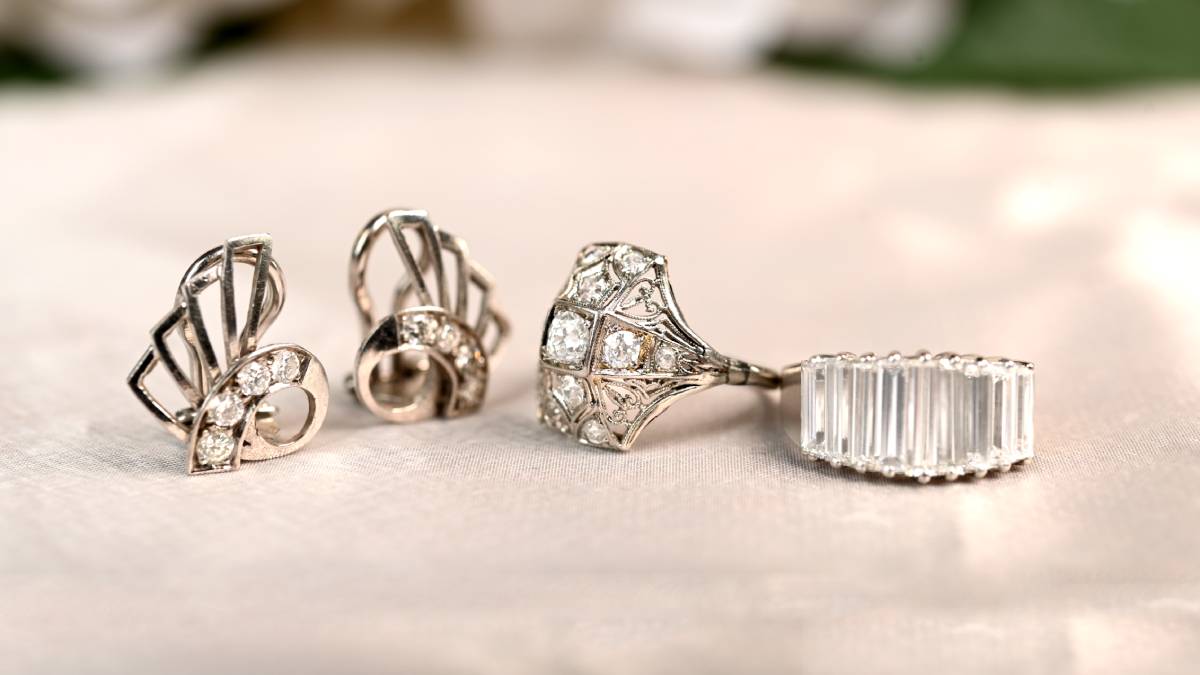
The April birthstone is the iconic diamond. In this guide, expert jeweler Benjamin Khordipour G.D. explains all you need to know about diamonds, including some expert tips to help you buy them and answers to commonly asked questions, too.
Browse our collection of April Birthstone Jewelry.
What Is the April Birthstone?
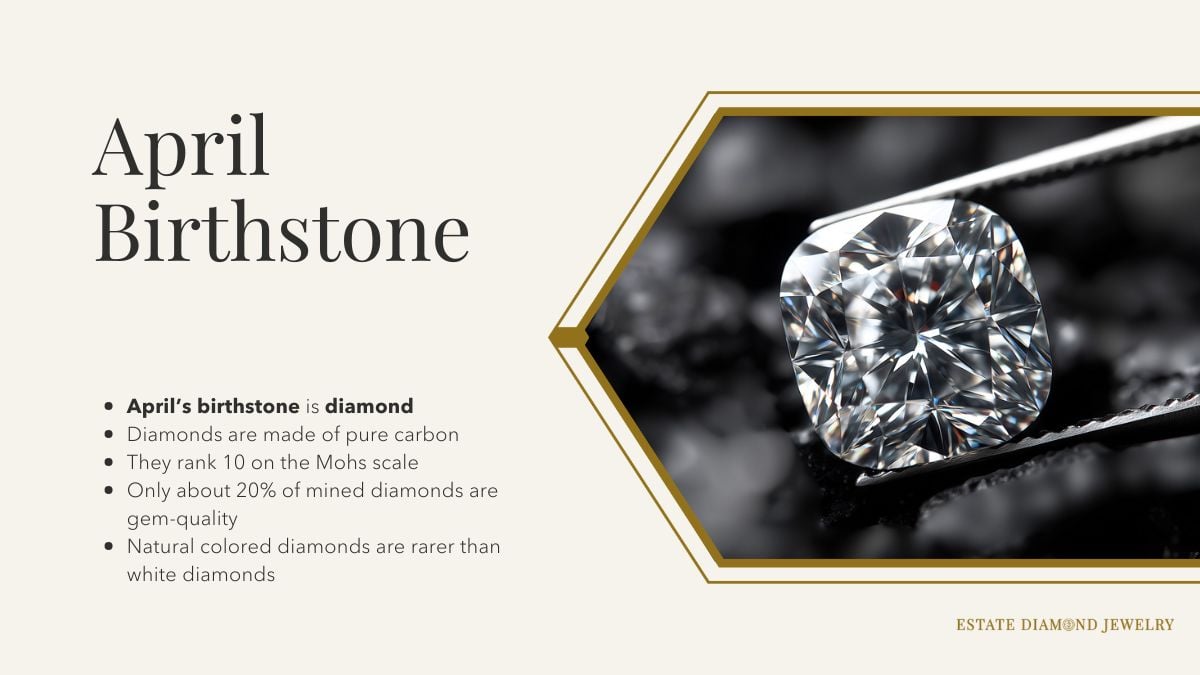
The birthstone for April is the diamond, which is the world’s most famous, sought-after, and arguably most beautiful gemstone of them all.
These stones come in a wide range of colors, from icy white to deep red. Colorless diamonds are the rarest and most highly-prized, but many diamonds also have yellow tints or hues, caused by the presence of non-carbon elements within the stone’s structure.
No other birthstone can match April’s diamond when it comes to strength and durability. Diamonds are also strongly associated with clarity and luxury. They are most commonly found in engagement rings, but can appear in various other forms, including wedding bands, earrings, and necklaces.
History and Myths of the April Birthstone
Mankind’s ongoing love affair with diamonds dates back thousands of years and began in India.
There, as far back as the fourth century BCE, diamonds were gathered from rivers and streams and traded among the wealthiest people in society.
Their popularity spread to Europe by the late Middle Ages, and in 1477, the world’s first diamond engagement ring was presented by the Archduke of Austria to his bride-to-be. That tradition has continued to this day, with diamonds remaining immensely popular into the modern era.
In terms of mythology, the April birthstone has, at certain stages throughout history, been believed to have healing and protective powers. Various people and cultures have claimed that it can cure poison, protect against illness, lengthen lifespan, and improve people’s beauty and mood.
These myths and associations have all played a part in elevating diamonds’ status to the very apex of the gemstone world, making it by far the most sought-after stone; one that people can wear with pride and gift to those that they love and care for the most.
How Much Do Diamonds Cost?
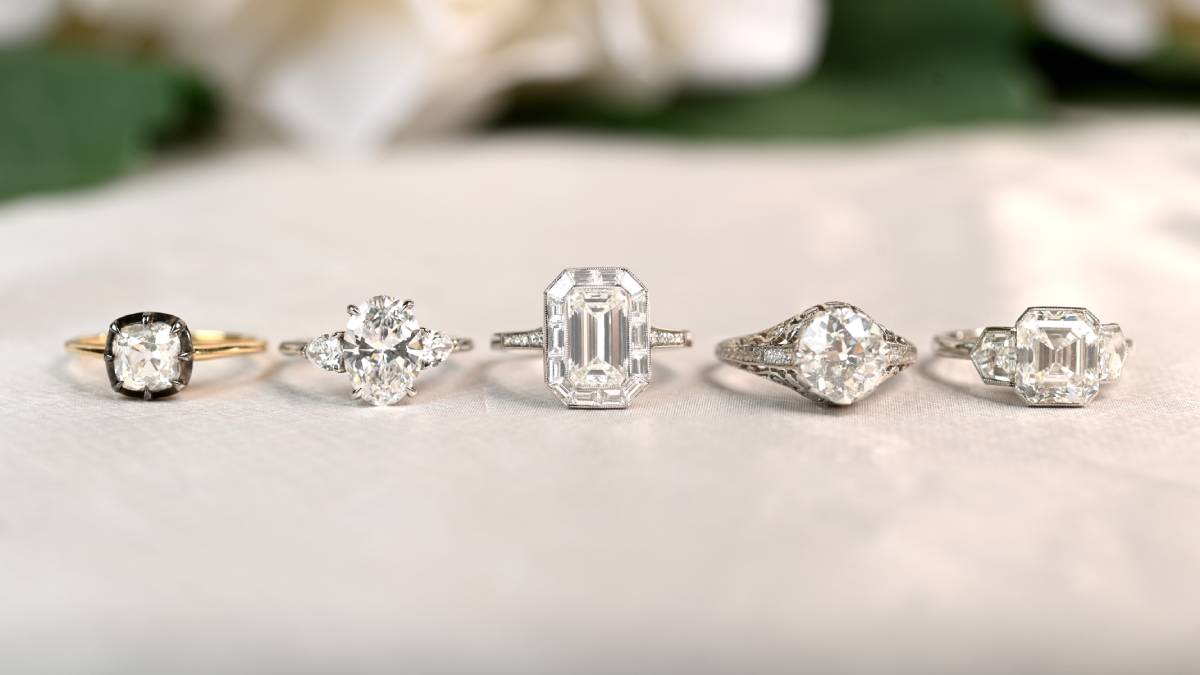
The price of diamonds can vary massively, from around $1,000 up into the tens and even hundreds of thousands of dollars for a single carat. This is based on a wide array of factors, including the diamond’s color, clarity, cut, and carat. Naturally, smaller stones with more characteristics or slight imperfections will cost less than those that fall into the colorless category and have the cleanest, most flawless cuts.
Those looking for a budget-friendly option should focus on stones that are towards the end of the GIA color grading system. Diamonds in the Near-Colorless class, ranging from grades G to J, for example, will be significantly cheaper than those in the Colorless category.
You can also save money by moving further along the clarity scale, with VS1 and VS2 stones notably cheaper than those closer to a Flawless rating.
Prices for diamonds also fluctuate from year to year, in accordance with market conditions. Given the vast range of contributing factors to their cost, it’s strongly recommended that buyers consult with jewelry experts to learn more before investing in any diamond products.
| Carat weight | J color, vs2 clarity | d color, if clarity |
|---|---|---|
| 0.50 Carats, Round Cut | $660 | $2,585 |
| 1.00 Carats, Round Cut | $3,190 | $16,500 |
| 2.00 Carats, Round Cut | $16,720 | $72,600 |
| 3.00 Carats, Round Cut | $42,900 | $181,500 |
| 4.00 Carats, Round Cut | $74,800 | $327,800 |
| 5.00 Carats, Round Cut | $112,750 | $550,000 |
| 6.00 Carats, Round Cut | $135,300 | $660,000 |
Updated May 2026
Afshin’s Shopping Tips for the Diamond Birthstone
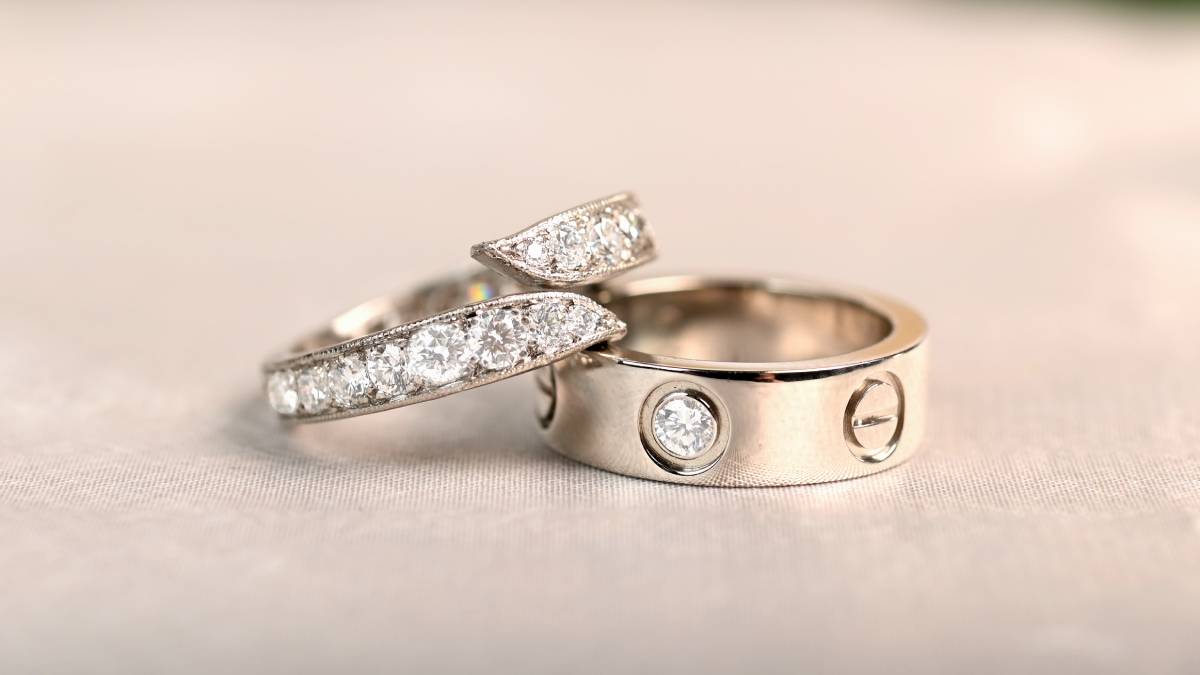
For more expert insight, I reached out to experienced jeweler Afshin Shaddaie to get his top tips for serious buyers looking for diamond jewelry.
- Understand the 4 Cs. The four Cs, in diamond terms, are cut, clarity, carat, and color. Each one impacts the final cost, and some may matter more to you than others, but it’s generally recommended to try to find a nice balance of each factor that fits within your budget.
- Stick to VS2 clarity or higher. The GIA diamond clarity scale runs from Flawless to Included. VS1 and VS2 are Very Slightly Included, meaning there are some imperfections, but they’re almost imperceptible, and you can save a lot by buying a VS1/2 stone.
- Save money on a near-colorless stone. When buying diamonds, many people head straight for the purest colorless options. But you can save up to 40% on your April birthstone if you look in the near-colorless range and pick a diamond graded between G and K, rather than D and F.
- Seek out certification for high-grade diamonds. When you’re investing in such a highly prized and precious stone as this, you need to know you’re getting the genuine article. Ensure that your jewelry can provide a GIA authenticity certificate (or similar) to confirm the stone’s quality.
- Go slightly lower than your desired carat. Another golden tip when buying diamonds is to look slightly below your chosen carat range. Imagine you want to buy a 2-carat ring, for example. You can save a fortune by buying a 1.99-carat stone instead, and it’ll look identical.
Best Jewelry Styles for Diamond Birthstones
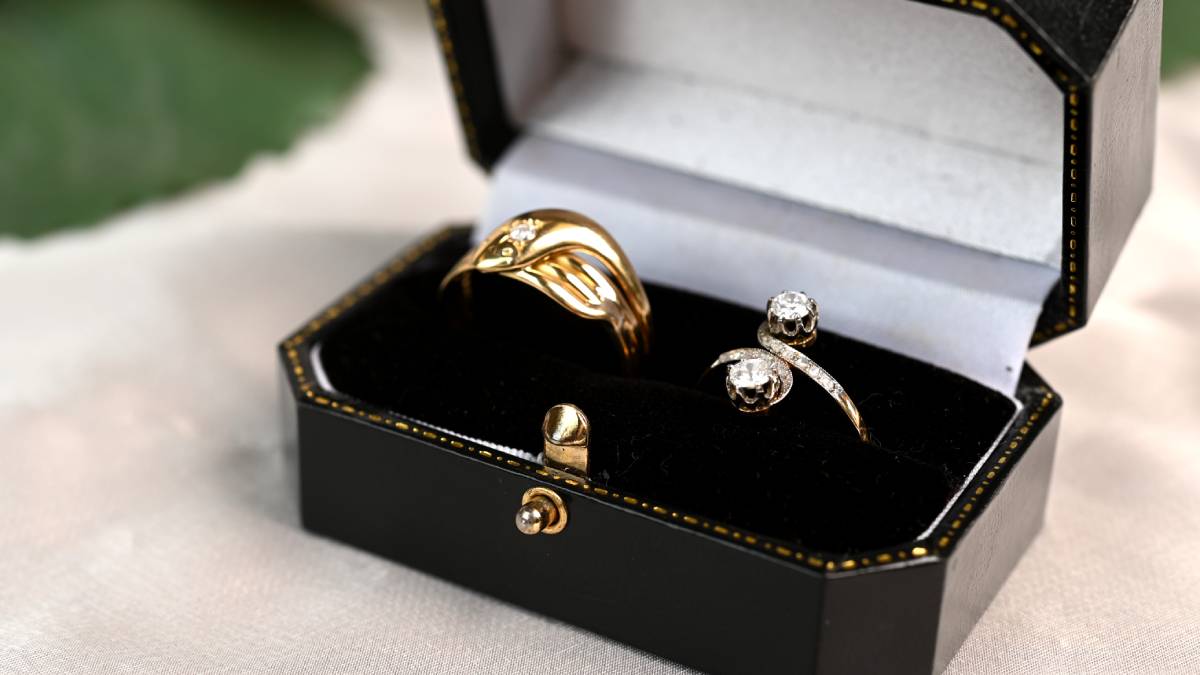
A diamond is a wonderfully versatile gemstone, and its brilliance can enhance any item, from an engagement ring or wedding band to a necklace or set of earrings.
In a way, then, there’s no “wrong choice” when it comes to buying April birthstone jewelry, but you still need to think carefully about the intent, the occasion, and the taste of the recipient to choose a piece that they’ll enjoy for years to come.
Diamonds work particularly well in rings, necklaces and earrings, and central stones of high grades are often surrounded by smaller, slightly lower-quality stones that help to bring out their beauty and clarity.
The best-designed diamond jewelry should also feature appropriate settings to draw attention to the stone and amplify its qualities. Slightly yellow diamonds, for example, work well in yellow gold rings, as this makes them appear even purer.
Summary of the Different Types of Diamonds
Diamonds can be divided into three main varieties:
- Natural Diamond: These diamonds come from the natural world, formed inside the Earth’s crust in a process that can take millions of years. They tend to hold their value the most.
- Lab-grown Diamond: Made in laboratories. Lab-grown diamonds are a much more affordable choice*.
- Treated Diamond: Treated diamonds start off as natural ones, but are then enhanced using various scientific processes, such as irradiation, to improve their color or clarity.
Important Note: We strongly caution our readers to avoid lab-grown and treated diamonds. To read our full explanation on the topic, read our article on lab-grown diamonds.
Popular Diamond Jewelry Shapes and Cuts
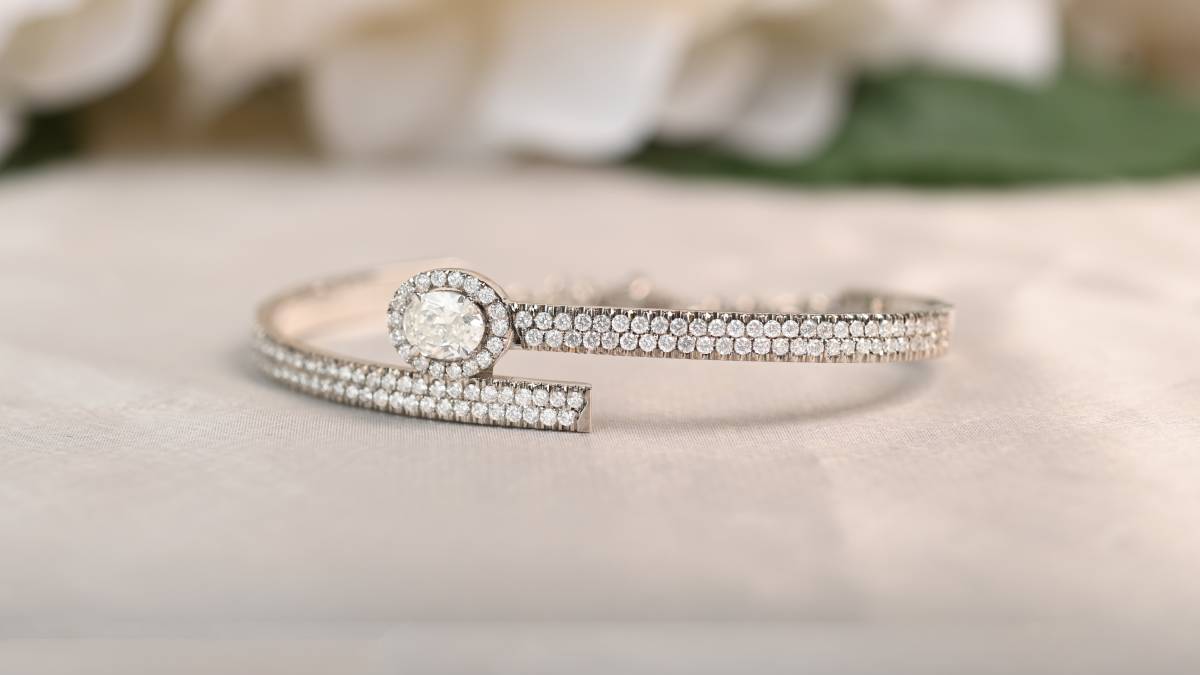
Diamonds can also be classified according to their shape, with a wide range of options on the market. Round cuts tend to be the most popular (and expensive), but you can save an impressive amount of money and find a range of fascinating options by looking beyond this conventional shape.
- Round: This is the most popular and iconic diamond shape. It’s timeless, elegant, and hugely popular in diamond engagement rings, as well as other fine jewelry.
- Oval: Similar to the round cut, but with an elongated form, oval cut diamonds can make the fingers look longer and thinner. They often feature in authentic vintage engagement rings.
- Pear: Looking almost like a teardrop, the pear-cut diamond has a rounded base and tapered point at the top. It looks particularly elegant when used in earrings or necklaces.
- Marquise: A marquise or navette diamond features a dramatic, elongated shape with two pointed ends. Their shape often makes these stones look larger and more brilliant than they actually are, making them a good value option.
- Princess: Square in shape, the princess diamond has seen a surge in popularity in modern times. Their shape helps to hide any little inclusions or imperfections they may have.
- Radiant: Similar to the princess, but with additional cuts along the corners, the radiant diamond is sleek and distinctly beautiful, shining and sparkling more brightly than many other cuts.
- Emerald: Similar to the radiant, but more elongated, the emerald cut diamond tends to show inclusions a little more prominently, so buyers are recommended to opt for stones with the best quality cuts their budgets allow.
Shop Diamond April Birthstone Jewelry
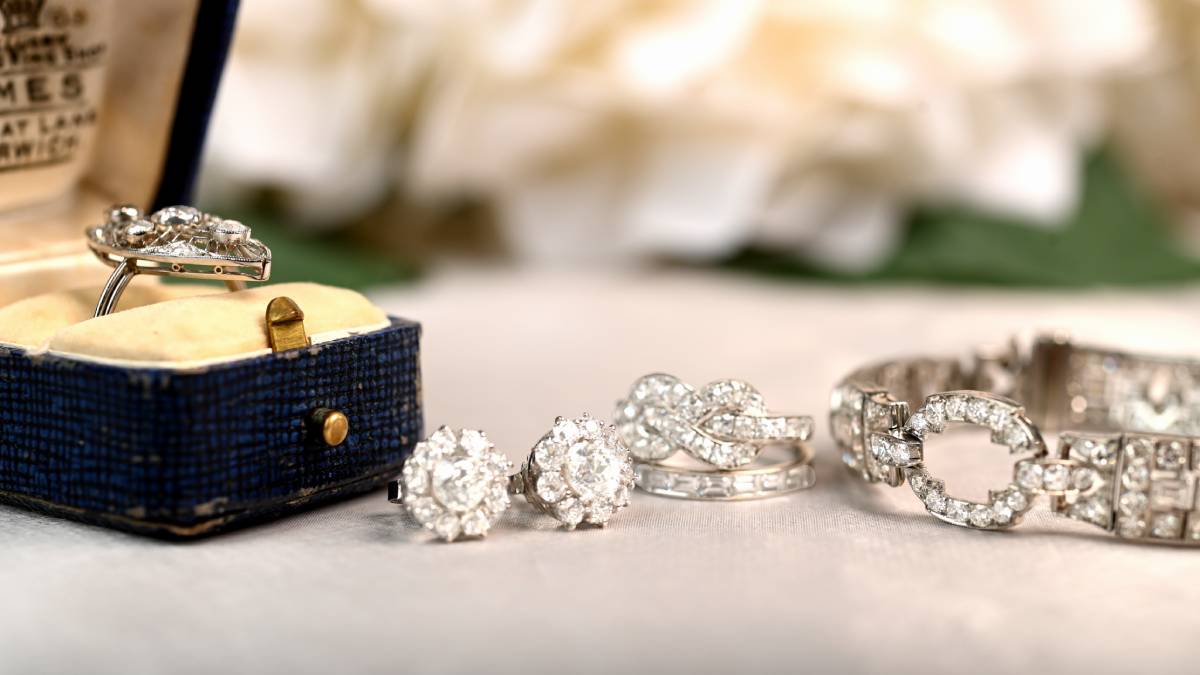
We have a vast range of beautiful diamond birthstone jewelry pieces in our collection, including vintage diamond engagement rings, glamorous diamond earrings, and much more. If you’re looking for a jaw-dropping diamond item to gift to a loved one in your life, take a look through our extensive selection. Or, if you happen to have any questions or require assistance, fill out the contact form below.
Caring for and Cleaning Diamond Jewelry
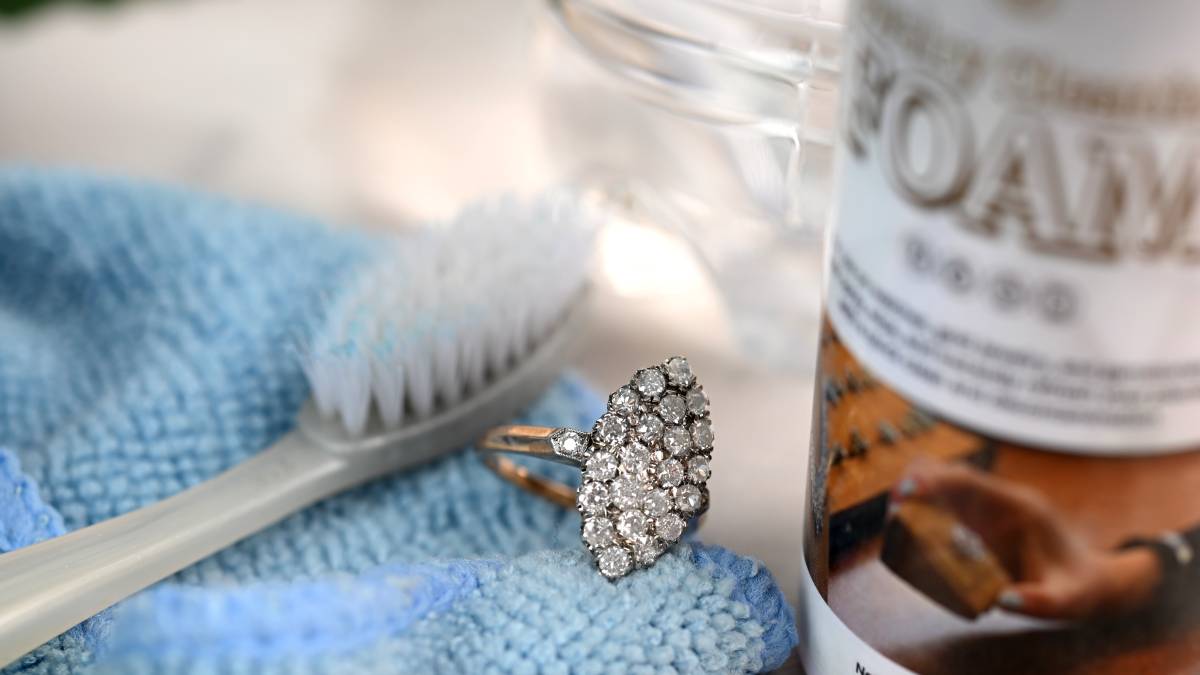
Diamonds are well known for being the strongest of all birthstones and one of the most durable materials in the world, but that doesn’t mean that you don’t need to care for your diamond jewelry.
While diamond rings, earrings, and other items tend to perform well for everyday use and can withstand different conditions and situations with ease, they may start to lose their sparkle over time. Their settings, too, are typically made of much weaker materials and will lose some of their luster or can even get scratched and dirty over the years.
Often, if your diamond appears a little faded, it’s not due to any long-term or serious damage. It’s simply because of a buildup of grime and oil on the surface, giving it a dirty or cloudy look. Use warm water and mild soap to rinse away this surface dirt, and remember to remove diamond jewelry before showers, when swimming, or when using any chemicals, paints, or oil-based products.
In addition, thanks to its strength and ability to possibly damage other, weaker materials, diamond has to be stored with care. You should always keep your diamond items separate from those containing other stones, like garnets or opals, for example.
Frequently Asked Questions
1. Is it OK to wear diamond jewelry every day?
Yes, diamond is perfectly suitable for everyday use, thanks to its innate strength and durability. It can easily withstand the rigors of everyday life, coping well with different weather conditions and exposure to varying temperatures and substances. But you should still be careful with diamond jewelry; avoid wearing it in situations where it could get dirty or the setting might get tarnished.
2. What is the rarest diamond color?
The rarest diamond color is red. There have been very few recorded examples in history of genuine natural red diamonds. Pink and blue diamonds are also very rare. Read our complete guide to fancy diamonds.
3. Which color grade diamond should I buy?
That all depends on a range of factors, including your budget, who you’re buying for, and personal preferences. Some people will want the purest possible diamonds and seek out those in the colorless category, like D-grade diamonds, but these will cost the most.
Many experts recommend looking in the near-colorless category, at the likes of H color diamonds, which still appear icy white to the naked eye but are often much cheaper than their completely colorless counterparts.
4. Which color diamond has the most sparkle?
Colorless diamonds, graded D, E, and F, will almost always have the most sparkle to them because they lack any kind of yellowish tint. This means that light can pass all the way through, reflecting off the various facets and giving these stones their iconic shimmer and shine.
5. What are diamond inclusions?
Inclusions are natural imperfections found within many diamonds, like microscopic fractures or mineral crystals formed within the stones themselves. They’re completely natural, formed alongside the diamond under immense heat and pressure, and can make each diamond look and feel unique. Learn more.
Many inclusions are almost imperceptible to the naked eye and can only be seen under a magnifying glass, but people will still pay much more, on average, for a completely flawless stone than one with inclusions.
6. Does diamond jewelry hold its value over time?
Natural diamond jewelry holds its value relatively well, yes, but the diamond industry is quite complex, and the market fluctuates from year to year. So there are no guarantees that a diamond ring or other item will necessarily maintain its value in the long-term.
Talk to a Jewelry Expert
If you’re ready to shop for a show-stopping piece of April birthstone jewelry, we’re here to help. You can either take a look through our extensive diamond jewelry collection, including rings, earrings, and other items, or reach out to the team directly for personalized buying advice. We’ll respond within one business hour.


