
Blog
Complete Guide to Filigree Jewelry

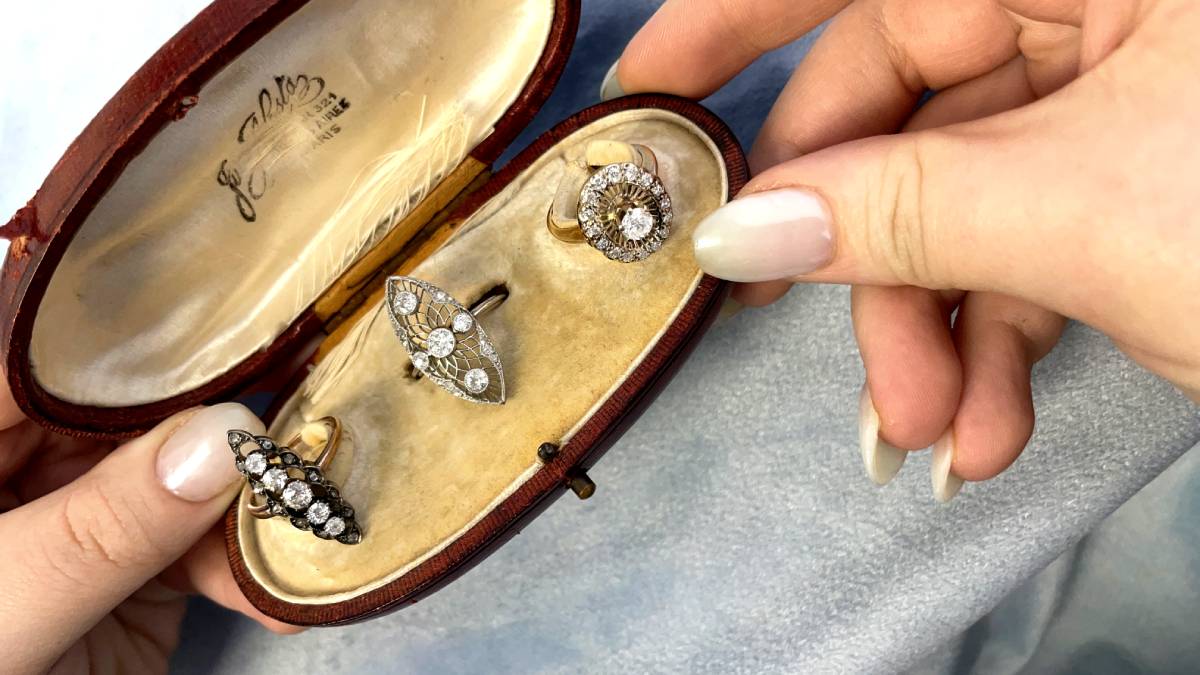
There’s hardly a feature within vintage jewelry that’s as prominent than filigree. True fans of vintage jewelry (especially Victorian and Edwardian) are almost always also passionate about filigree. In this article Benjamin Khordipour shares his knowledge how filigree jewelry is made, filigree buying tips, and much more.
What Is Jewelry Filigree?

Jewelry filigree is a decorative design technique that uses thin metal wires to create intricate, lace-like patterns. These wires are often twisted, curled, and shaped into delicate motifs like swirls, leaves, and flowers. Filigree is most commonly made from gold, platinum or silver and is found in rings, necklaces, earrings, and brooches.
Filigree has been used in jewelry for thousands of years and is especially popular in vintage and antique styles. The beauty of filigree comes from its light, airy look and the fine detail in each piece. Whether simple or elaborate, filigree adds elegance and a handcrafted feel to any piece of jewelry.
The word “filigree” comes from the Latin words filum, meaning thread, and granum, meaning grain. This name reflects the technique’s use of fine metal threads and tiny beads to form detailed and delicate designs.
How Is Filigree Made?

The process of making filigree begins with the jeweler forming a precious metal (usually platinum, gold, or silver) into an extremely fine thread, often thinner than a paperclip. These threads are then shaped into decorative forms like scrolls, vines, and lace-like patterns. Once the desired design is created, these tiny pieces are carefully soldered together using a flame or laser.
Creating filigree requires a lot of precision (and patience). Even the slight mistake can ruin the design.
Modern jewelers will usually use laser-cutting and CAD technology to aid in consistency and durability. However, the most desirable filigree pieces are typically those that preserve the handcrafted charm and old-world craftsmanship.
Filigree is extremely commonly in antique and vintage jewelry.
Shop Filigree Engagement Rings
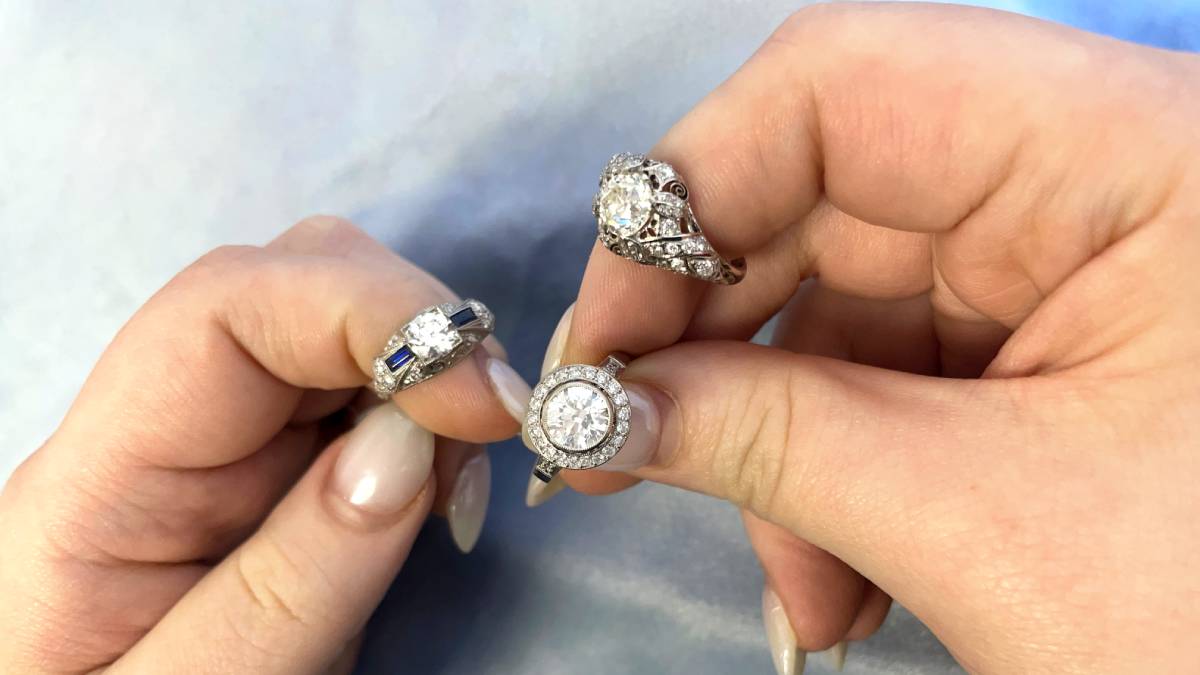
Feel free to shop through our examples of Filigree Engagement Rings. Browse our vintage engagement ring collection to discover authentic filigree examples alongside other period designs.
Openwork Filigree vs. Metal-Supported Filigree
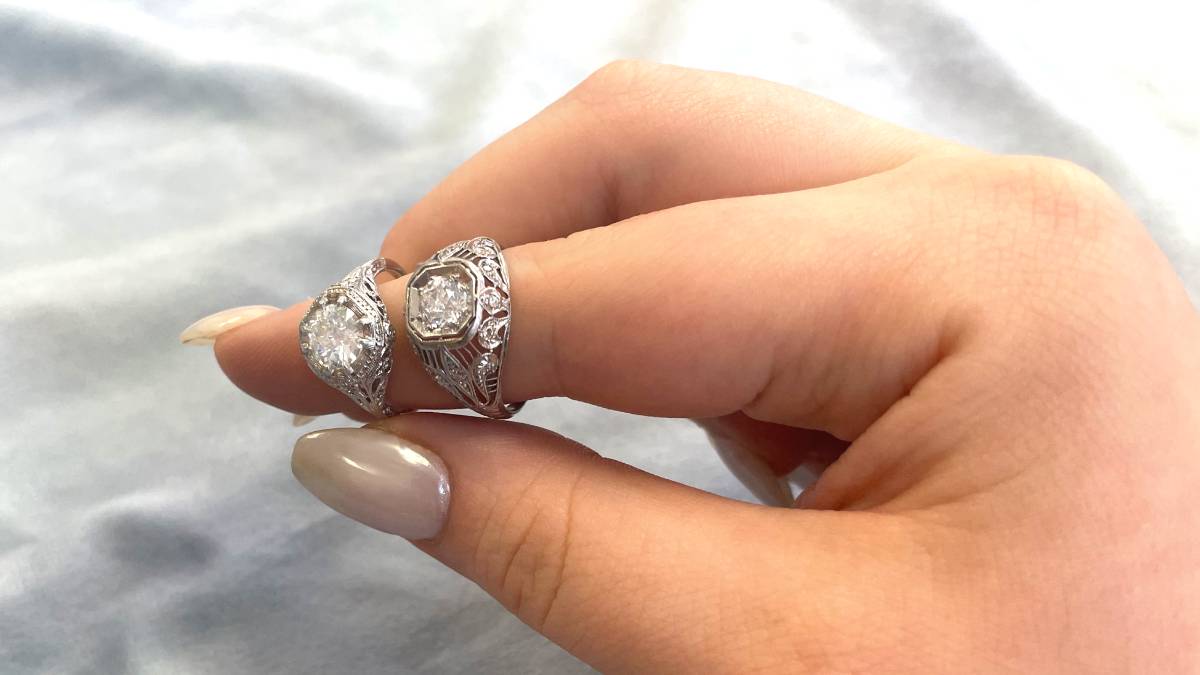
Filigree jewelry usually falls into one of two categories: openwork or metal-supported.
Openwork filigree is the more delicate and airy of the two types of filigree. In this style, the design is crafted entirely from connected metal wires (with no solid backing to hold it together). Each wire is soldered directly to the others, forming a lace-like structure that stands on its own. This method requires thicker metal wires to ensure the piece is sturdy despite its lack of support. Openwork filigree is much more common in fine antique jewelry as it looks much nicer to the eye.
Metal-supported filigree (also called ground-supported filigree) uses a solid surface (usually a thin sheet of metal) as its base. The decorative wires are soldered onto this backing, which provides added strength and allows for more intricate or fragile patterns. This style is often used when a higher level of design complexity is needed. Sometimes, both types are combined in a single piece, and jewelers may even add gemstones for extra color and detail.
Expert Tips for Buying Filigree Jewelry
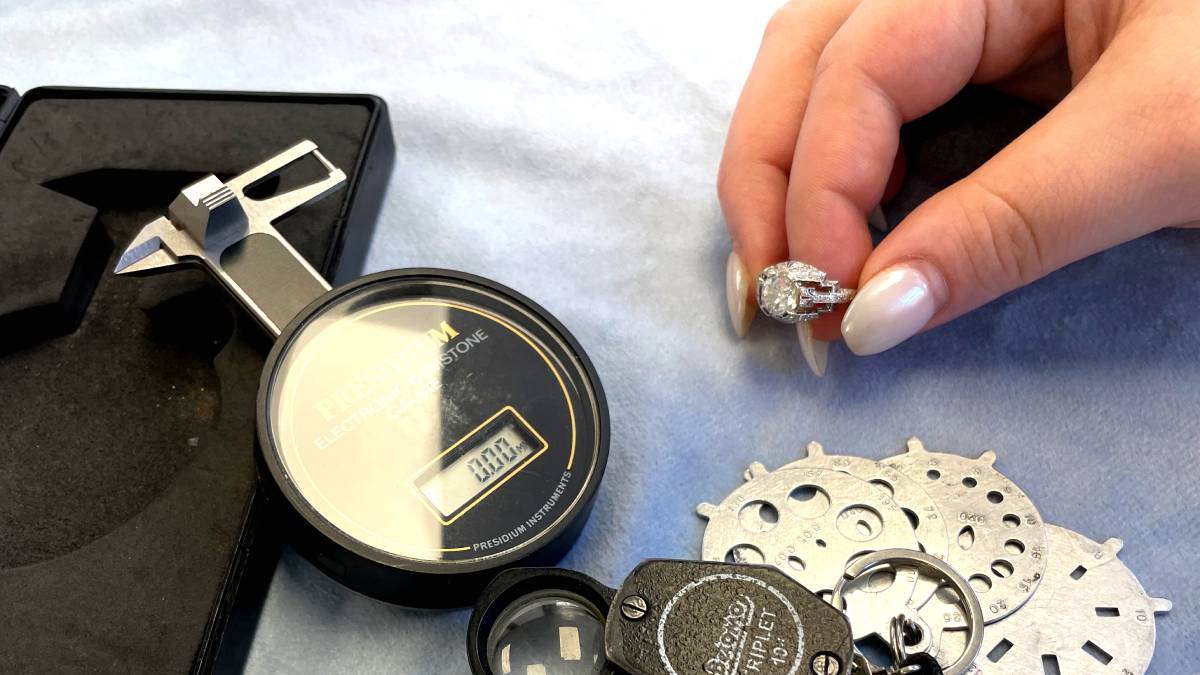
We interviewed Michael Khordipour for his best tips on what to look for when shopping for filigree jewelry. Here’s his top pieces of advice:
- Match the design to the person. Filigree can range from simple designs to elaborate, fully detailed pieces. If you’re buying a piece of jewelry for someone who prefers simple styles, choose a ring with only subtle filigree.
- Inspect the craftsmanship carefully. Quality filigree should have smooth, clean lines with no sharp edges, gaps, or sharp projections. Poorly crafted jewelry pieces will fall apart, snag or wear down very quickly.
- Pay attention to the soldering. Solder joints should be neat and discreet. They should not be too thick or too weak. Proper soldering is very important in order to maintain the structure and durability of the piece.
- Choose the right metal. Platinum is the strongest and most reliable metal for filigree, allowing for extremely fine detail without sacrificing stability. If using gold, avoid 24k (which is too soft). 18k gold is the best choice, but 14k gold should be fine as well. Sterling silver is also a good, affordable option.
- Balance the center stone with the filigree. A very large stone may overpower the filigree detail. So plan accordingly. Smaller diamonds or colored gemstones will usually be complemented by the filigree, and let both shine.
- Consider authenticity over mass production. Handcrafted or vintage filigree pieces usually have more character and attention to detail than mass-produced alternatives. If quality filigree is important to you, work with a jeweler and commission a customized design.
- Understand maintenance and care. Filigree jewelry is delicate and will need special cleaning and storage. Avoid wearing it during rough activities, and ask your jeweler for guidance on how to maintain it properly.
Pros and Cons of Using Filigree in Jewelry

Filigree jewelry has a delicate, timeless charm that makes it stand out, but it has its strengths as well as its drawbacks. I interviewed Afshin Shaddaie to get his opinion on the pros and cons of filigree jewelry.
Pros of Using Filigree in Jewelry
Most of the allure of filigree jewelry comes from personal taste and preferences.
That being said, there are other reasons that many buyers gravitate towards filigree:
- Filigree adds a romantic charm to the piece of jewelry. And it is especially popular among those who love antique or old-world designs.
- Filigree jewelry is usually handcrafted. If a jewelry item has filigree there is a good chance that the rest of the jewelry was handcrafted as well.
- Adding filigree will help reflects light into the jewelry item without the need for additional gemstones.
- Filigree is a clever way to enhance the visual size of a center stone. The ornate filigree pattern draws attention and makes the diamonds appear larger.
Cons of Using Filigree in Jewelry
While filigree is stunning and we’re generally a big fan of using it, it is important to accept that its not for everyone. There are those who prefer sleek edges, and don’t enjoy the ornate detail that filigree provides.
Additionally a few cons to consider regarding filigree:
- Filigree is very delicate (especially openwork filigree). The wearer will need to handle the jewelry item with more care and attention.
- Additionally, dust and debris can settle into the fine spaces, making cleaning more difficult.
- Although filigree is very affordable, it can get quite expensive if there’s a lot of filigree on a labor-intensive job.
Best Metals for Filigree Jewelry

1. Gold Filigree. Gold has long been a favorite for filigree work because it’s soft enough to handcraft without the metal breaking. Both Yellow and white gold, once designed into filigree, give the pieces a warm feel. Higher-karat gold filigree such as 18K and 22k, is especially good at holding its shape over time, making it a reliable choice for both new designs and antique-style jewelry items.
2. Platinum Filigree. Platinum is by far the best option for filigree jewelry. Its strength allows jewelers to form extremely delicate filigree designs without worrying about bending or breaking. Platinum also keeps its shape for decades, even for rings that will be worn every day. Additionally, the white flashes from the filigree platinum pairs beautifully with diamonds and colored gemstones.
3. Silver Filigree. Silver is a budget-friendly option for filigree, and has been a popular filigree option for centuries. Its softness makes it easy to shape into detailed designs, which is why many antique silver jewelry pieces have filigree craftmanship. That being said, it is important to note that silver filigree is more prone to tarnishing, rubbing out, and bending over time. It will require more maintenance and care to keep its beauty intact.
Filigree vs. Milgrain vs. Engraving

People across the web use different terms to describe metal-manipulation techniques and often use them interchangeably: filigree, milgrain, and engraving. However, these terms aren’t the same.
Filigree refers to bending and coiling tiny metal wire pieces into patterns and soldering them onto a metal surface. Milgrain is the edging of small bumps and indents applied to the borders of a design. Finally, engraving refers to cutting grooves into the jewelry’s surface to create a pattern or image.
Guide to Different Filigree Designs
Now that you understand what filigree is, how it’s crafted, and the pros and cons of owning it, you’re in a great position to decide if this style is right for you.
If you’re leaning toward saying yes, the next step is to explore the most popular filigree design styles and discover which ones speak to your taste.
1. Scrollwork Filigree
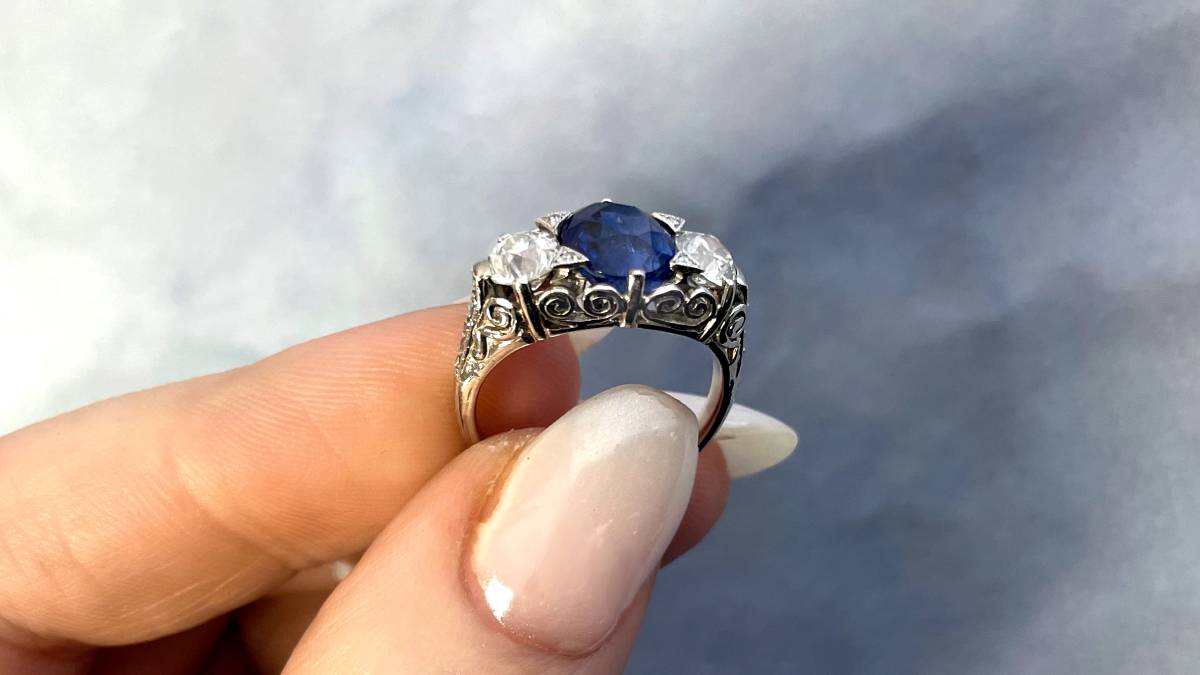
Scrollwork filigree is all about graceful and rounded curves. The wire is shaped into flowing spiral filigree that look like vines or rolled parchment. It’s one of the most classic forms of filigree and often shows up in vintage-style pieces from the Edwardian Era. The gentle curves give the jewelry a sense of movement, which is why scrolls are especially loved in engagement rings, earrings and pendants. Sometimes the scrolls are simple loops, while other times they’re complex patterns that play a big part in the artistry of the jewelry item..
2. Celtic Filigree
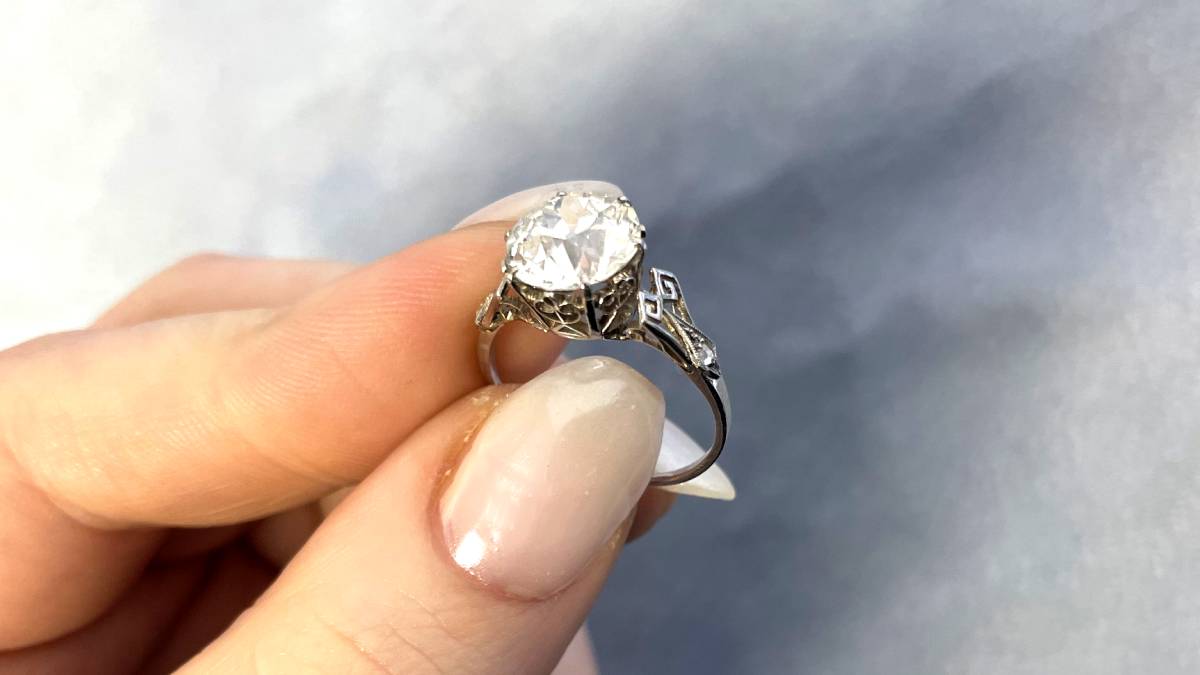
Celtic filigree openwork takes its inspiration from ancient knotwork of the Celts. The designs are made up of loops, twists, and endless patterns that symbolize eternity and connection. It’s a style that feels both bold and meaningful, mixing delicate wirework with strong, sometimes, angular geometric shapes. You’ll often see it in rings, brooches, and even men’s jewelry, where it adds a touch of heritage and symbolism.
Celtic filigree is very commonly found in Art Deco Era jewelry.
3. Floral Filigree
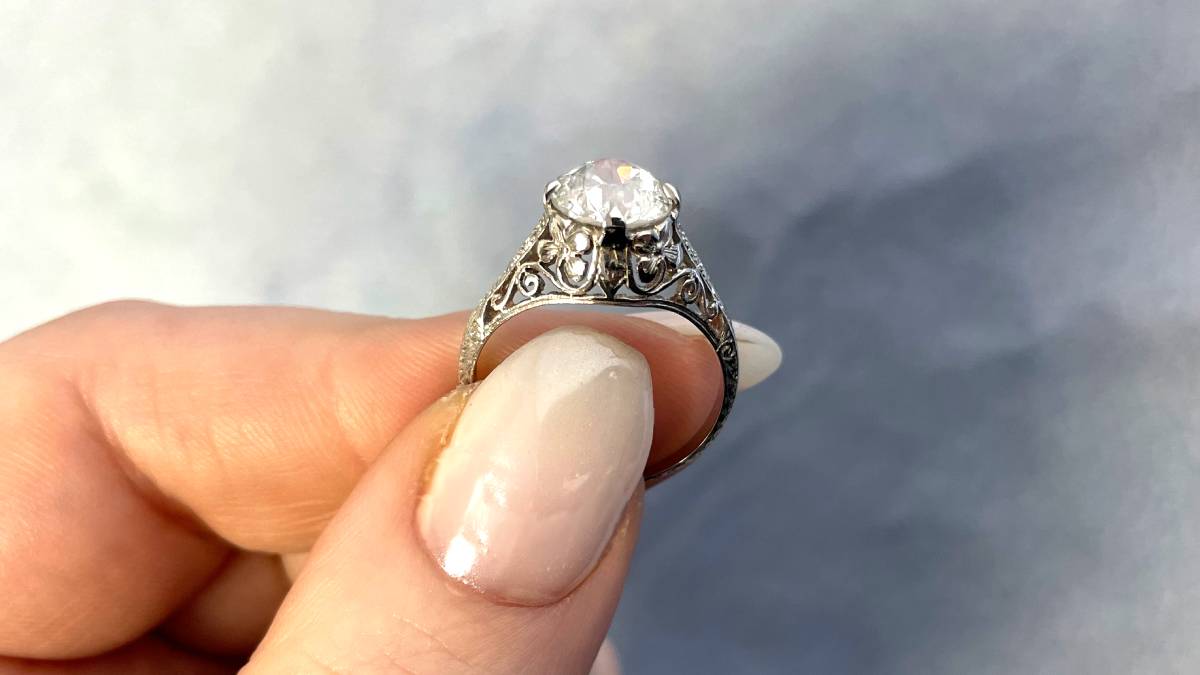
Floral filigree draws its inspiration directly from nature. The patterns often resemble flowers, petals, leaves, or vines, giving the jewelry a soft romantic look. This style too has long been popular in vintage and antique-inspired pieces, especially Victorian and Edwardian eras, where the delicate wirework highlights the natural beauty of the design. Sometimes the floral filigree is kept simple and subtle, while other times it’s more elaborate.
4. Heart Filigree
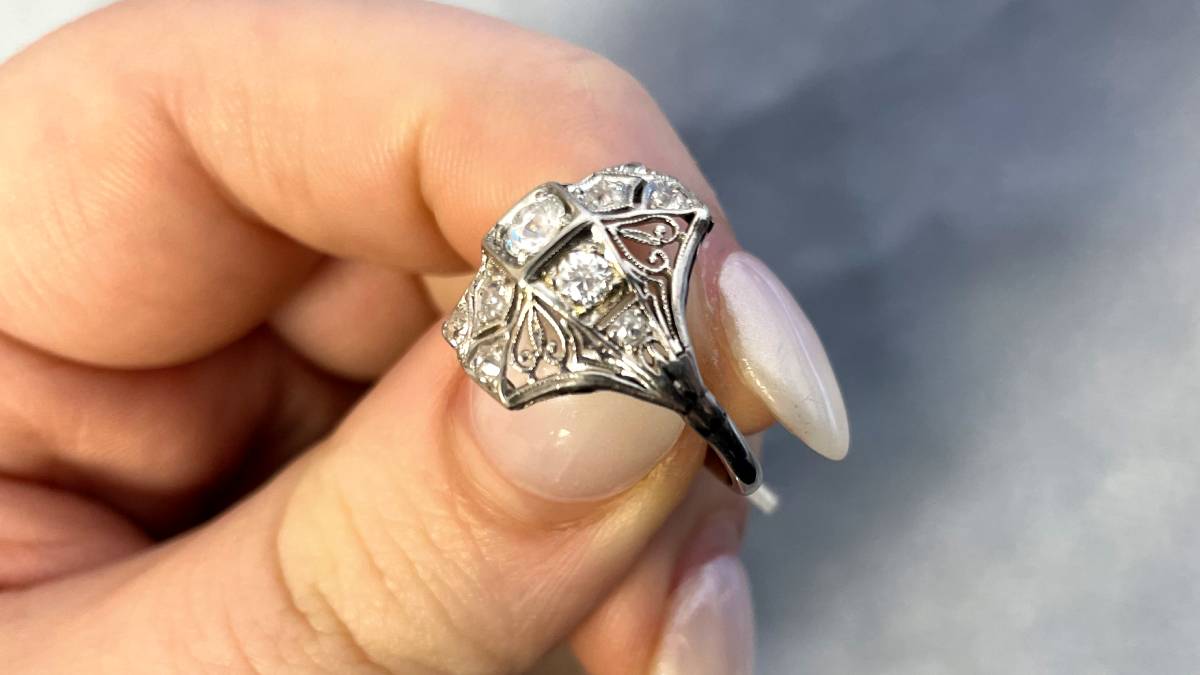
Heart filigree is exactly what it sounds like. It’s delicate wirework filigree that is shaped into heart shapes. These heart shape designs are usually combined with scrolls, vines, or other soft details to create a romantic look.
Because of its symbolism, this filigree style is especially popular in engagement rings, lockets, and pendants.
Whether vintage-inspired or modern, heart filigree has a timeless appeal, making it a meaningful choice for anniversaries, birthdays, Valentine’s Day, or any other sentimental gift.
5. Geometric Filigree
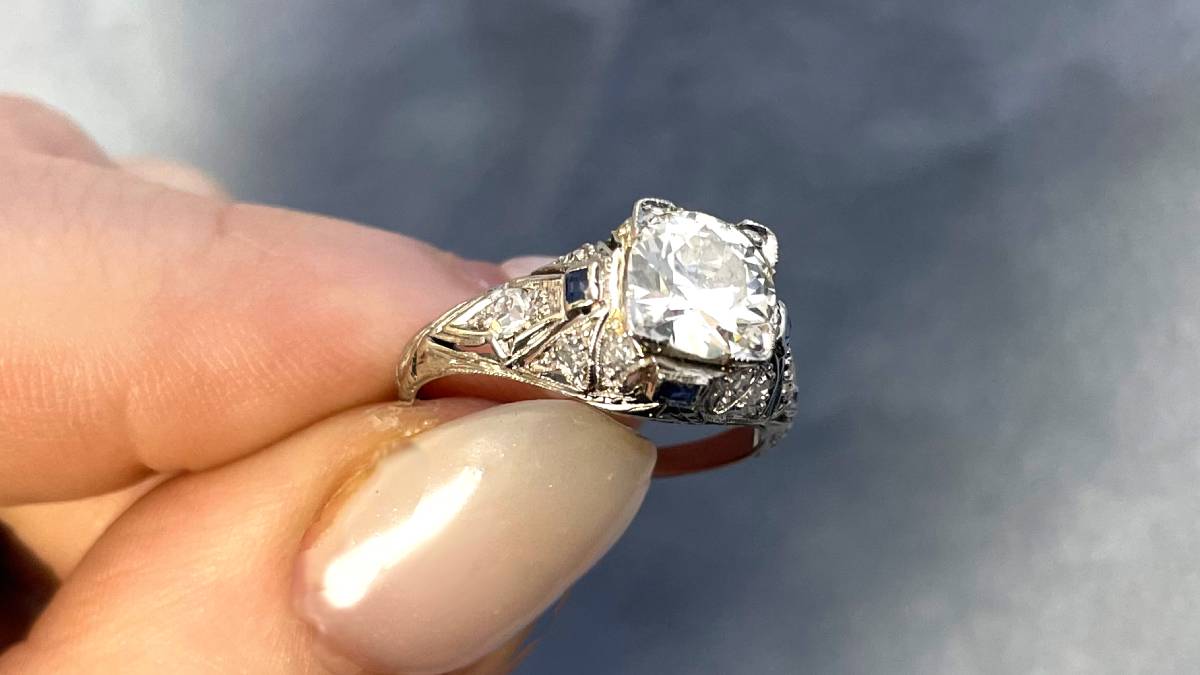
Geometric filigree is built around clean, structured shapes like triangles, diamonds, hexagons, and other repeating patterns. This style of filigree has a strong and balanced look that was very popular during the Art Deco era.
Even though the filigree lines are sharp and precise, the fine wires keeps the design light and airy. This style is often seen in necklaces, rings and earrings.
6. Lacework Filigree
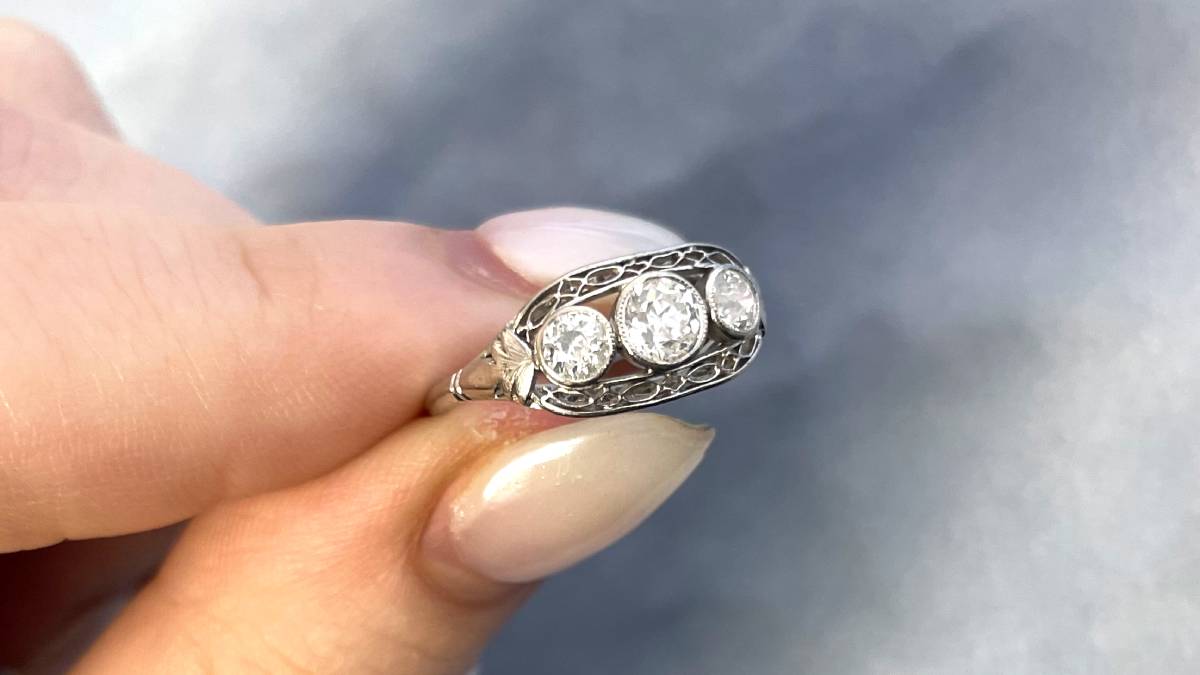
Lacework filigree is designed to look like a fine lace fabric. The wire is arranged in delicate, repeating patterns that almost seem woven together. Lacework filigree was extremely popular during the Edwardian Era, but also made a big comeback with some jewelers in the 1970s.
Because of the intricate filigree detailing involved, this style takes a lot of time and skill to create. The result is soft and romantic, which makes it especially popular in bridal jewelry and antique-inspired pieces.
7. Art Nouveau Filigree
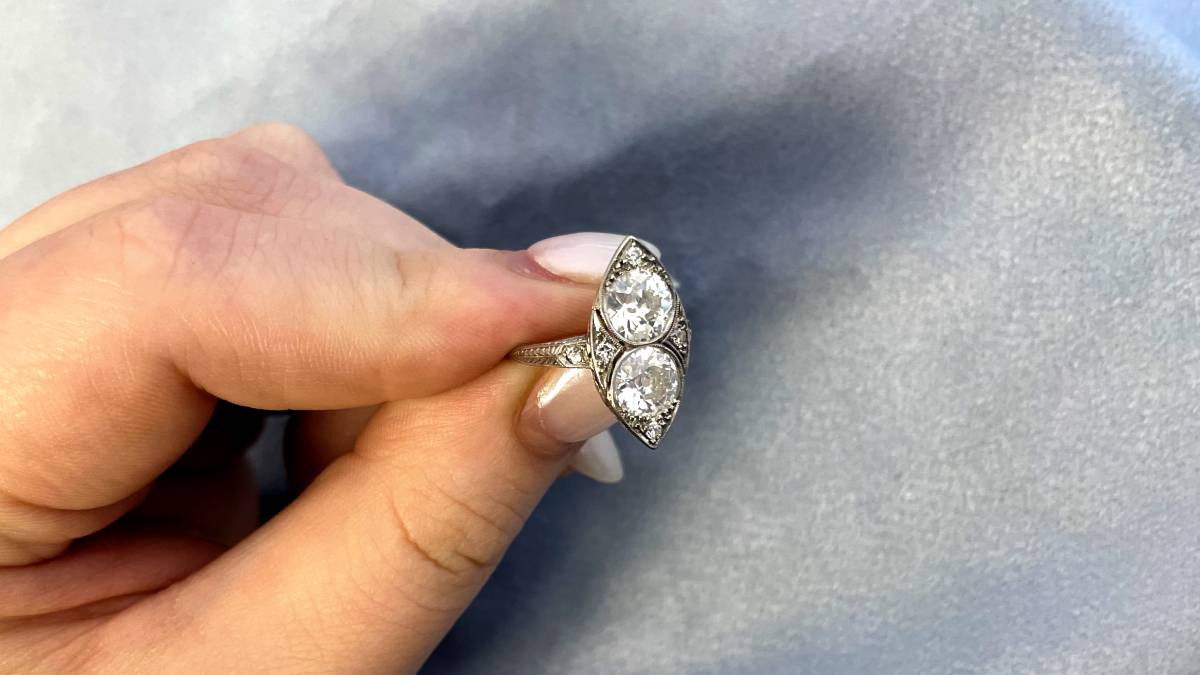
Art Nouveau filigree is full of movement and curves. Like floral filigree, the designs often take inspiration from nature (flowers, vines, butterflies, even waves), but in the case of Art Nouveau filigree the balance of design is a lot less important.
This style first became popular in the late 1800s and early 1900s, during the Art Nouveau era, an era famous for its flowing lines and artistic, freeform look.
How to Care for and Clean Your Filigree Jewelry

Filigree is known for its fine, lacy patterns, but those same details make it more fragile than most jewelry. To keep it looking its best, take it off before doing chores, exercising, or handling any harsh chemicals. The fine wires can bend easily or catch on clothing. When you’re not wearing it, store it in a soft pouch or in its own compartment so it doesn’t rub against harder pieces or sharp edges.
The cleaning process for filigree should be done gently. Mix a small drop of mild dish soap into lukewarm water and use a soft toothbrush to reach into the tiny openings where dust and oils collect. Once complete, rinse well, and then pat it dry with a lint-free cloth.
We usually advise our customers to skip ultrasonic machines and abrasive polishing cloths as they can weaken or break the delicate wirework.
After cleaning, let the piece sit on a paper towel until it’s completely dry. Try your best to avoid wiping it down with a cloth, as even fine threads can snag the edges of the filigree.
Important Note: If the filigree is especially old or fragile, it’s worth having an expert jeweler be the one to clean it.
Talk to a Jewelry Expert

If you’re interested in purchasing filigree jewelry, you can talk to an expert at Estate Diamond Jewelry. We can answer all your filigree-related questions and provide additional information and ideas. What’s more, our expert designers can assist you in creating custom-made filigree jewelry or show you a collection of some of our best work.
We respond within one business hour.
