
Blog
Which Gold is Best: Comparing 10K, 14K, 18K, 22K and 24K


Choosing the right type of gold for your jewelry isn’t just about color. The best gold type can change the value, durability, and how much you enjoy wearing the piece. This guide is by Benjamin Khordipour, G.D., C.G.P., a GIA-certified gemologist and vintage jewelry expert who has advised thousands of collectors and couples around the world.
Jump Ahead: Gold Prices | Gold Karat Scale | Which Karat is Best? | Talk to Jeweler
What is Gold Karat?
“Karat” (marked as K or kt) measures how pure the gold is. The more alloy metals that are included into the gold, the lower its gold-purity level.
Pure gold is 24-karat, meaning it’s 100% gold with no other metals added. The problem is though, that pure gold is very soft. And so, in order to make the gold stronger, jewelers will mix in other metals like copper, silver, nickel, or zinc.
The lower the karat number, the less gold is in the mix. This makes the piece harder and more durable, but also less pure.
Here’s the quick breakdown of the most common gold karat amounts:
| Gold Karat | Gold Purity (%) | Jewelry Stamp Code |
|---|---|---|
| 24K Gold | 99.9% – 100% | 999 |
| 22K Gold | 91.7% | 917 |
| 18K Gold | 75.0% | 750 |
| 14K Gold | 58.5% | 585 |
| 10K Gold | 41.7% | 417 |
What’s the Price for 10K, 14K, 18K, and 24K Gold?
The global gold prices change constantly. Additionally, the value of your gold jewelry will also depend on two things: purity and weight.
If you know both, you can get a good idea of what your piece is worth. And as explained before, a 24K gold ring will be worth more per-gram than a 14K gold ring of the same weight.
We’ve created a gold calculator that can instantly show today’s approximate market value for 10K, 14K, 18K, 22K, and 24K gold in grams or ounces.
The Gold Karat Scale
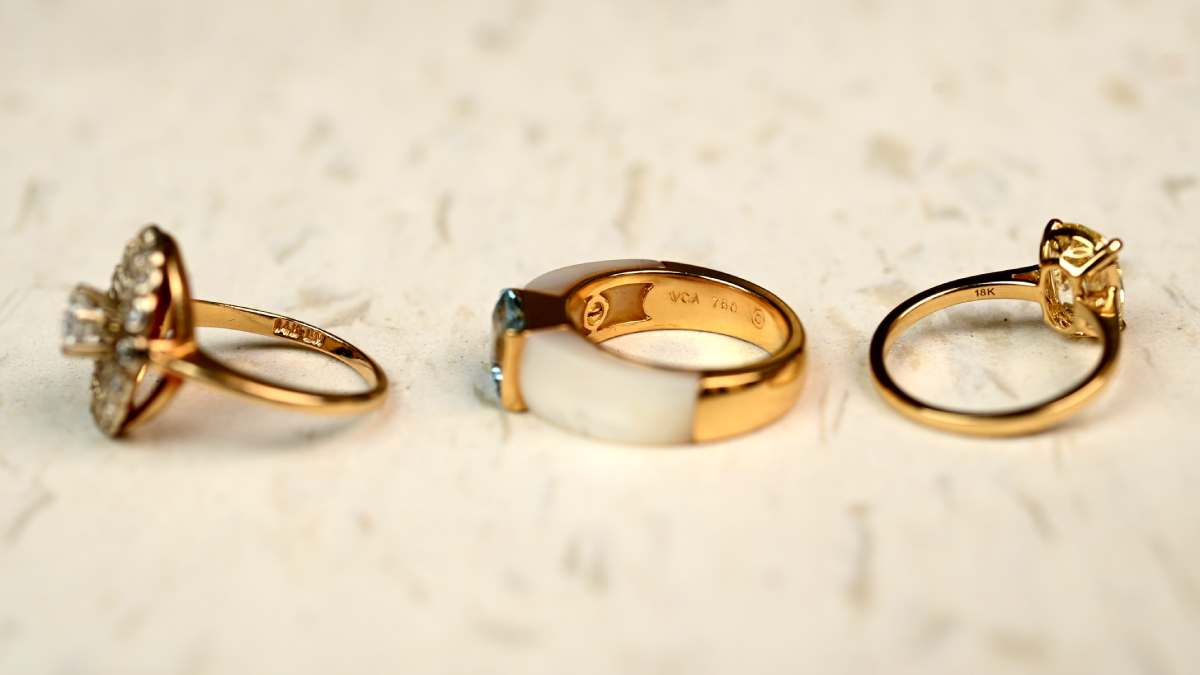
Each gold karat level offers a different balance of purity, durability, and price. Knowing the differences can help you choose the right one for your lifestyle and budget.
| Karat | Gold Content (Parts per 24) | Jewelry Stamp Code | Color Appearance |
|---|---|---|---|
| 24K | 24/24 | 999 | Deep, bright yellow |
| 22K | 22/24 | 917 | Rich yellow |
| 18K | 18/24 | 750 | Warm yellow |
| 14K | 14/24 | 585 | Soft yellow |
| 12K | 12/24 | 500 | Muted yellow |
| 10K | 10/24 | 417 | Pale yellow, brassy |
| 9K | 9/24 | 375 | Very pale yellow, whitish |
24 Karat Gold
24K gold is pure, containing 99.9 percent gold with no added metals. The color is bright and rich yellow, the most intense of all karats. This purity also makes the metal soft and easy to bend or scratch.
Pros: Highest purity. Deep color. Hypoallergenic. Holds value well.
Cons: Very soft. Scratches easily. Bends with little force. More expensive than lower karats.
Due to its softness, 24K gold is used mainly for investment bars, coins, and ceremonial jewelry. It is especially popular in India and China, where high-purity gold is deeply valued. Engagement rings and wedding bands rarely use 24K gold because the metal cannot handle the stress of everyday wear.
22 Karat Gold
22K gold contains 91.7 percent pure gold and 8.3 percent alloy metals such as silver, zinc, or copper. The added metals give it more strength while keeping a deep, rich yellow color. The balance of purity and durability makes it suitable for many types of fine jewelry.
Pros: Very high purity. Rich color. More durable than 24K.
Cons: Still relatively soft. Can scratch with heavy wear. Less durable than 18K or 14K.
This karat level is popular for intricate, high-end jewelry and bangles, especially in South Asian and Middle Eastern markets. It is sometimes used for wedding bands, though it is better suited for decorative or occasional pieces rather than daily wear.
18 Karat Gold
18K gold is made of 75 percent pure gold and 25 percent alloy metals. The mix creates a strong balance of beauty and durability. The color is rich and warm, with a classic luxury look.
Pros: High gold content. Rich color. More durable than 22K and 24K. Less likely to cause skin irritation.
Cons: Softer than 14K. Slightly more expensive. Can still show wear with heavy use.
18K gold is a top choice for engagement rings, wedding bands, and fine vintage jewelry. It has long been favored by luxury jewelers for its elegance and timeless appeal.
“If you look at almost all high-end and fine jewelry made over the past 100 years, especially from the great houses of Europe, 18K gold was the metal of choice,” says Afshin Shaddaie. “It has been the gold standard of luxury for generations.”
14 Karat Gold
14K gold is made of 58.5 percent pure gold and 41.5 percent alloy metals. The color is lighter than 18K, but the metal is stronger and more resistant to everyday wear.
Pros: Very durable. More affordable. Ideal for daily wear. Resists scratches and bending.
Cons: Lower gold content. May cause mild skin irritation for people with sensitive skin. Color is slightly duller than higher karats.
This karat level is one of the most popular choices in the United States, after 18K gold. It is used for engagement rings, wedding bands, bracelets, earrings, and necklaces. Many jewelers recommend it for people with active lifestyles who want a balance of beauty, strength, and especially value.
10 Karat Gold
10K gold contains 41.7 percent pure gold and 58.3 percent alloy metals. It has a pale yellow tone and is the hardest and most durable of the commonly sold gold types in the United States.
Pros: Most affordable option. Extremely durable. Good for heavy, everyday wear.
Cons: Lowest gold content. Less rich in color. More likely to cause skin irritation due to higher alloy content.
This karat level is often used for men’s jewelry, everyday rings, and mass-market gold pieces. It is a good choice for people on a budget or those who want a tough, long-lasting piece without worrying about scratches or dents.
“Barring rare exceptions, we do not recommend ever buying 10K gold,” says Michael Khordipour. “The low gold content and high alloy mix make it less desirable for fine jewelry.”
Which Karat Gold is the Best?
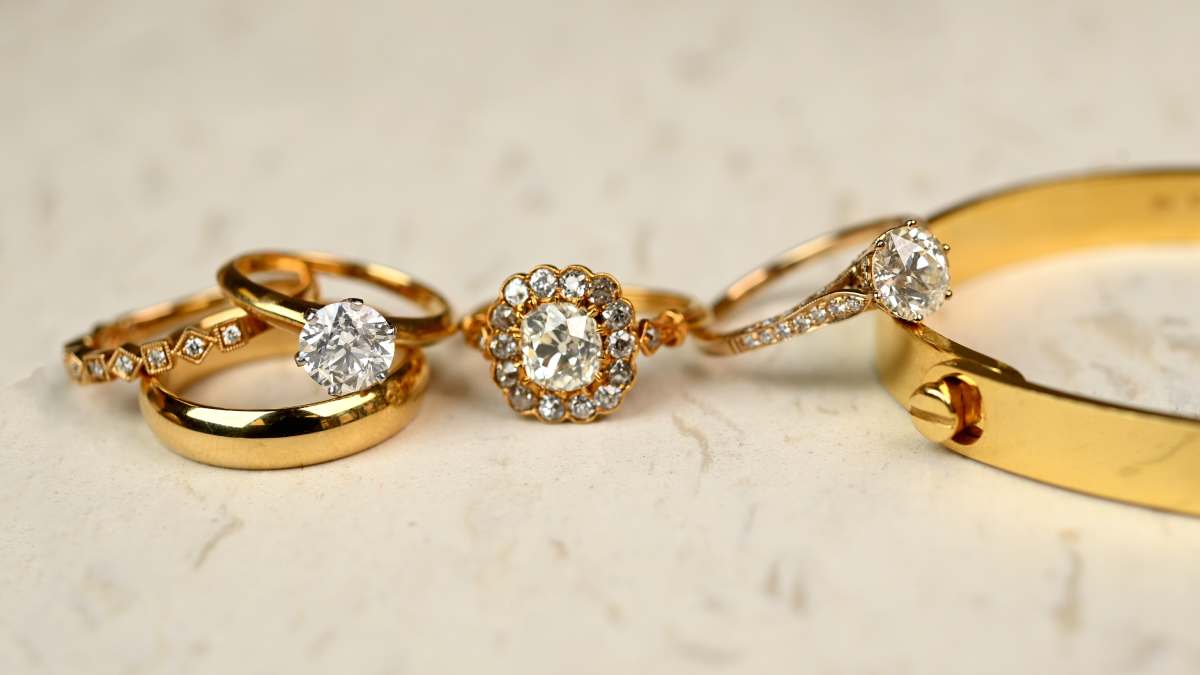
The best karat depends on what matters most to you. Some people care most about purity. Others focus on durability, color, or investment value.
From a craftsmanship and legacy standpoint, 18K gold is often the best all-around choice. It offers a rich color, high purity, and enough strength for jewelry meant to last for generations. Luxury jewelers have used it for decades, and it rarely causes skin irritation.
Lower karats like 14K and 10K are more durable and affordable. The trade-off is less gold content and a paler color. Higher karats like 22K and 24K are very pure but too soft for jewelry that gets daily wear.
Final Thought: For most people, 18K gold strikes the ideal balance between beauty, value, and wearability. It is the gold standard in fine jewelry.
“When we inspect rings to curate vintage gold rings for our fine collection, the 18K gold pieces are usually the ones made with the best craftsmanship,” says Afshin Shaddaie. “They also tend to hold up the best over time.”
What is the Karat Purity for Yellow, White and Rose Gold?
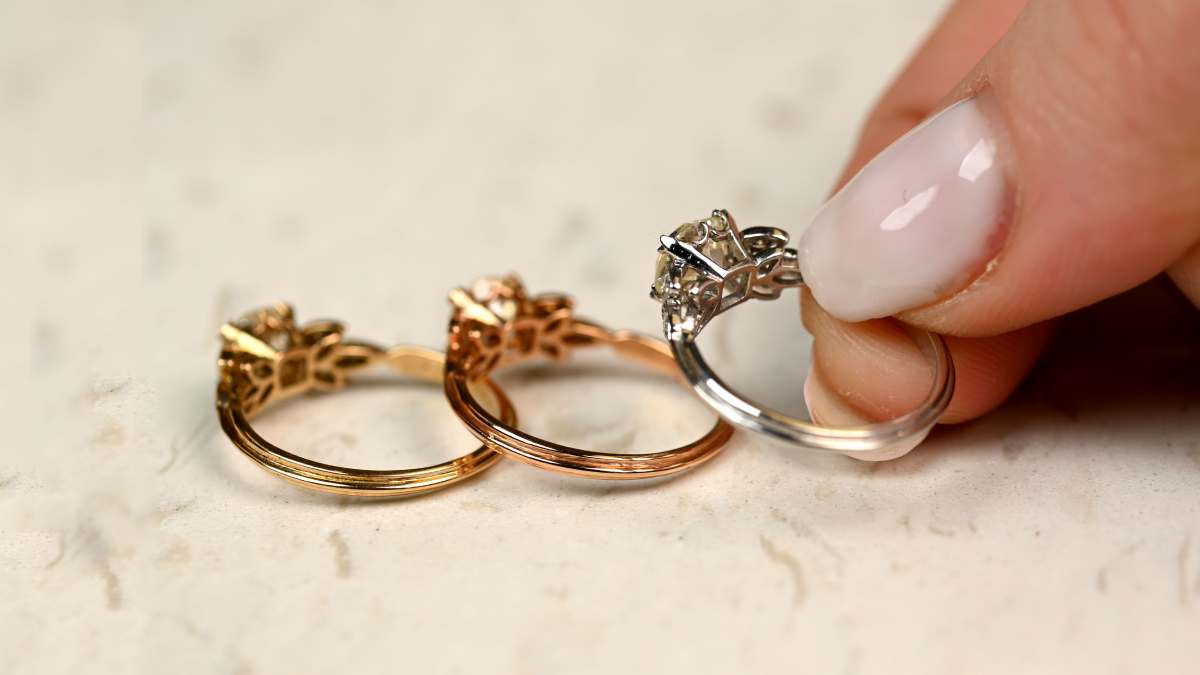
The Karat purity has nothing to do with the color of the gold.
An 18K yellow gold ring, an 18K white gold ring, and an 18K rose gold ring can all contain 75 percent pure gold. The difference in color is dependent on the alloy metals not the percentage of gold in the mix.
- Yellow gold is usually mixed with silver and copper to keep its warm, natural color.
- White gold contains metals like palladium or nickel to give it a silvery tone.
- Rose gold uses more copper, which creates a soft pink color.
The type of alloy can affect strength, color depth, and skin sensitivity. White gold often needs rhodium plating to keep its shine, while yellow and rose gold keep their color naturally. The same karat can look very different depending on its color type.
That being said, white and rose gold are most common in 14K and 18K, but you can find 10K and even 9K versions, especially in more affordable collections.
Which Gold is Best for Engagement Rings?
18K gold is often the top choice for engagement rings. It has a high gold content at 75 percent, giving it a rich, warm color and a premium feel. Many luxury jewelers and heritage brands use 18K for their finest pieces. While it is slightly softer than lower karats, it is still durable enough for daily wear when cared for properly. It also has fewer alloy metals, which makes it less likely to cause skin irritation.
14K gold is the second most common choice. It is stronger and more resistant to scratches, and it comes at a lower price point. This makes it a good option for people with active lifestyles or smaller budgets. The trade-off is a less rich color and a higher chance of skin sensitivity.
We’ve been selling engagement rings for over 4 decades and we strongly recommend 18K gold.
Color Saturation Between 10K, 14K, 18K, 22K, and 24K Gold
The color of gold changes with its karat level. Higher purity means a deeper yellow, while more alloy metals create a paler tone.
24K gold has the deepest, most vibrant yellow because it is almost pure. 22K gold is still rich in color but slightly softer in tone. 18K gold has a warm, luxurious glow that looks rich without being overly bright. 14K gold is softer in color, sometimes showing a faint rose or white tint depending on the alloy mix. 10K gold is the palest, often with a brassy undertone due to its high alloy content.
The differences are subtle but noticeable when pieces are placed side by side.
Frequently Asked Questions
1. Which karat of gold is most durable for everyday jewelry?
For everyday wear, 14K gold is the most durable. Its lower gold content (58.5%) is balanced by a higher percentage of alloy metals, which makes it more resistant to scratching, bending, and wear. While 10K is technically harder, it’s often too dull in color and less desirable for fine jewelry. 14K offers the best combination of strength, affordability, and appearance for daily-use pieces like rings and bracelets.
That being said, we still recommend 18K gold.
2. Why is 18K gold more expensive than 14K?
18K gold is more expensive than 14K because it contains a higher percentage of pure gold (75% versus 58.5%). Gold is a precious commodity, so the more gold a piece contains, the more it costs. In addition to purity, 18K gold has a richer, deeper color that gives it a more luxurious appearance, making it the preferred choice for fine jewelry and high-end engagement rings.
3. Does 10K gold tarnish or fade over time?
Yes, 10K gold can tarnish over time, especially when exposed to moisture, chemicals, or sweat. This is because it contains a high percentage of alloy metals (like copper and nickel) which are prone to oxidation. While tarnish can usually be cleaned, it makes 10K gold less desirable for people looking for low-maintenance jewelry or a consistent long-term shine.
4. How can I tell what karat my gold jewelry is?
You can usually tell your gold’s karat by checking for a hallmark stamp on the inside of the band or on the clasp. Common stamps include 417 (10K), 585 (14K), 750 (18K), 917 (22K), and 999 (24K). If there’s no visible stamp, or you want to be sure, a jeweler can test the metal using acid, electronic devices, or X-ray fluorescence for an accurate reading.
5. Which gold karat is best for people with sensitive skin?
People with sensitive skin often react to the alloy metals used in lower karat gold like 10K or 14K. For better comfort, 18K gold is a safer option, as it contains fewer irritating metals. For maximum hypoallergenic safety, consider platinum, which is naturally inert, highly durable, and ideal for people prone to skin allergies.
6. Can I upgrade my 14K ring to 18K later?
Yes, you can upgrade a 14K ring to 18K, but it typically involves remaking the entire setting or band using 18K gold. While the original gemstone can often be reused, the process isn’t as simple as adding gold. Upgrading will require a custom rebuild. This is best done through a jeweler experienced with fine metals, especially if you want to preserve the design.
7. What’s the difference between white gold and yellow gold karats?
The karat number refers to gold purity, regardless of color. Yellow gold uses traditional alloy metals like copper and silver to retain its golden hue, while white gold is mixed with metals like palladium or nickel to achieve a silvery tone. Both 14K white and yellow gold contain 58.5% gold, but the color and care (e.g., rhodium plating for white gold) vary significantly.
Talk to an Expert Jeweler
We’re here to answer your questions! Fill out the form below, and one of our jewelry experts will respond within one business hour.


