
Blog
Benjamin’s Expert Guide to the Fancy Yellow Diamond

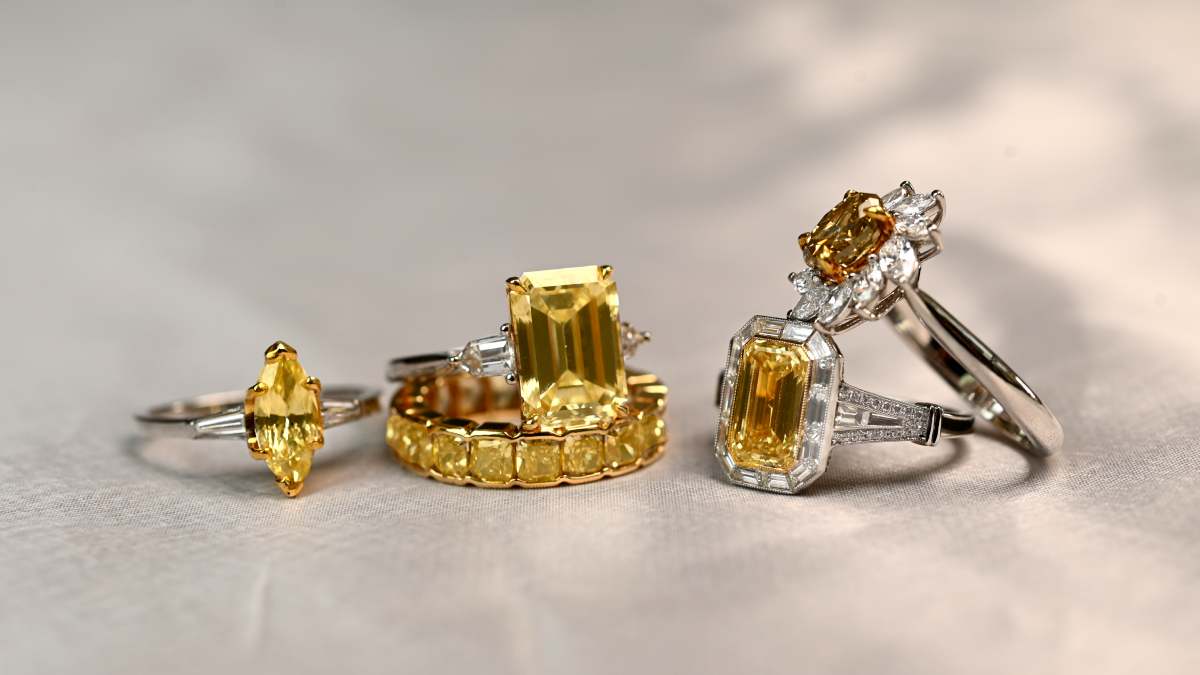
Fancy yellow diamonds are one of the most famous types of diamonds, but they’re also deeply misunderstood. In this comprehensive expert article, jewelry veterans Benjamin Khordipour and Afshin Shaddaie will teach you what one needs to understand before purchasing or investing in a fancy yellow diamond.
Jump Ahead: Expert Buyers Guide | Yellow Diamonds Prices | Consult with Expert
What Is a Fancy Yellow Diamond?

A fancy yellow diamond is a natural diamond whose body color falls beyond the traditional D–Z color scale and into the realm of intentional color grading. Instead of being valued for the absence of color, these diamonds are prized for the presence of yellow saturation.
This yellow hue is caused by nitrogen atoms that are incorporated into the diamond’s crystal lattice during formation. When this nitrogen absorbs blue light, the diamond reflects a yellow appearance that can range from soft lemon tones to intensely saturated golden hues.
Only stones with sufficient color strength receive an official fancy color grade, meaning that most diamonds with faint yellow tint never qualify as a “fancy yellow diamond”.
Difference between “Fancy Yellow Diamond” and “Regular Yellowish Diamond”
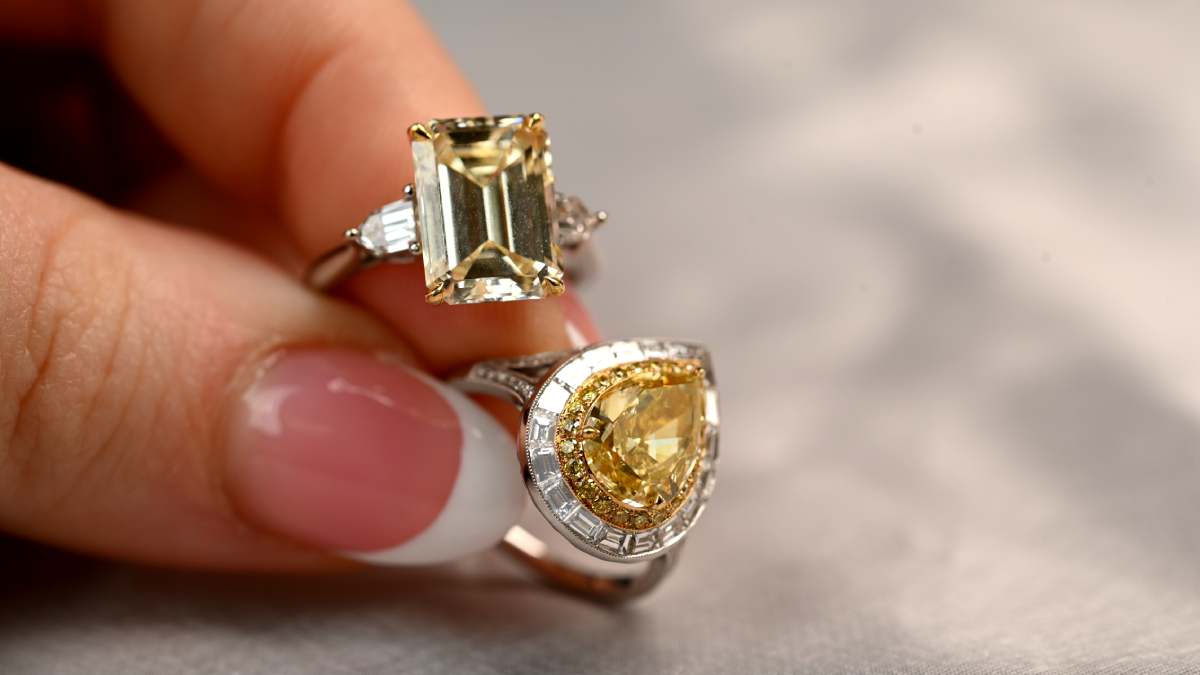
What separates a fancy yellow diamond from an ordinary diamond that has some yellow in it, is not simply hue, but measurable color intensity and purity as evaluated under strict laboratory conditions.
Independent grading laboratories assess the face-up appearance of the stone and classify it into tiers such as Fancy Light, Fancy, Fancy Intense, or Fancy Vivid, each representing increasing saturation and desirability.
Because color is the dominant value factor, a fine fancy yellow diamond is judged primarily by how rich, even, and lively its color appears rather than by the near-colorless standards applied to white diamonds.
In the collector market, the most sought-after examples display strong saturation without brownish dullness, producing the bright, luminous character that defines high-quality fancy yellow stones.
Benjamin’s Expert Buyers Guide for the Fancy Yellow Diamond
Buying a natural fancy yellow diamond is driven by a different set of priorities than those used for colorless stones. Each of the following factors should be evaluated independently, because together they determine not just beauty, but rarity, desirability, and long-term market strength.
We’ve arranged these factors by general priority, but in practice they must be evaluated together to determine the diamond’s overall quality and appeal.
1. Color Grade and Saturation
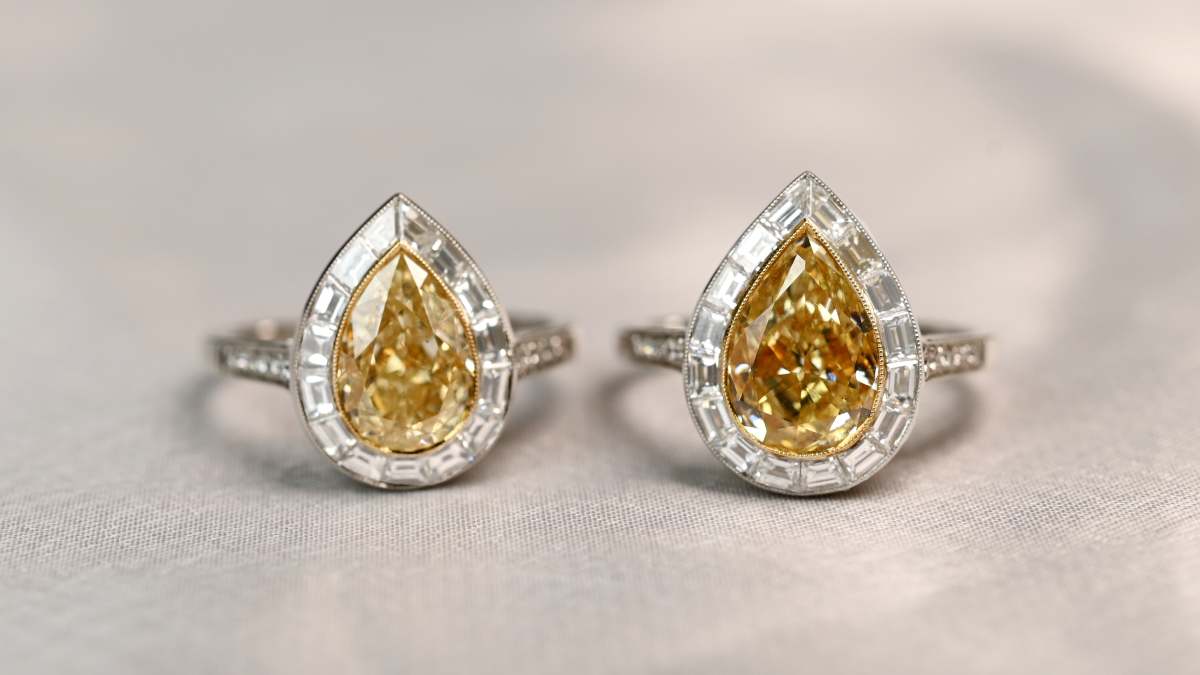
Color grade is the foundation of value in a fancy yellow diamond. Unlike colorless diamonds, where less color is preferred, here the strength of the yellow is the main attraction. Laboratories grade this saturation based on how rich and vivid the color appears face up. As the grade moves from Fancy Light to Fancy Vivid, the yellow becomes deeper, brighter, and more visually commanding. Strong saturation is what separates a decorative yellow diamond from a collectible specimen.
A well-saturated stone should look lively, even, and unmistakably yellow in normal lighting. Weak color can appear washed out, while excessive darkness can mute brilliance. Buyers should look for a balance where the color feels intense without looking dull. In higher tiers, saturation has an outsized effect on desirability and pricing. For serious buyers, this is often the single most important factor driving long-term appeal.
| GIA Fancy Yellow Grade | Visual Intensity Description | Relative Rarity (1–10) |
|---|---|---|
| Fancy Light Yellow | Soft, pale yellow tone | 3 |
| Fancy Yellow | Clear yellow presence with moderate saturation | 5 |
| Fancy Intense Yellow (second grade) | Strong, rich yellow saturation with high visual impact | 8 |
| Fancy Vivid Yellow (top grade) | Exceptionally saturated, luminous yellow with maximum brightness | 10 |
| Fancy Deep Yellow | Dense, concentrated yellow with darker tone and bold appearance | 6 |
Additional grade: Fancy Dark yellow diamonds display a deeper, more shaded tone that gives the color a muted, moody appearance rather than the bright, luminous look typically prized in higher saturation grades.
2. Secondary Hue
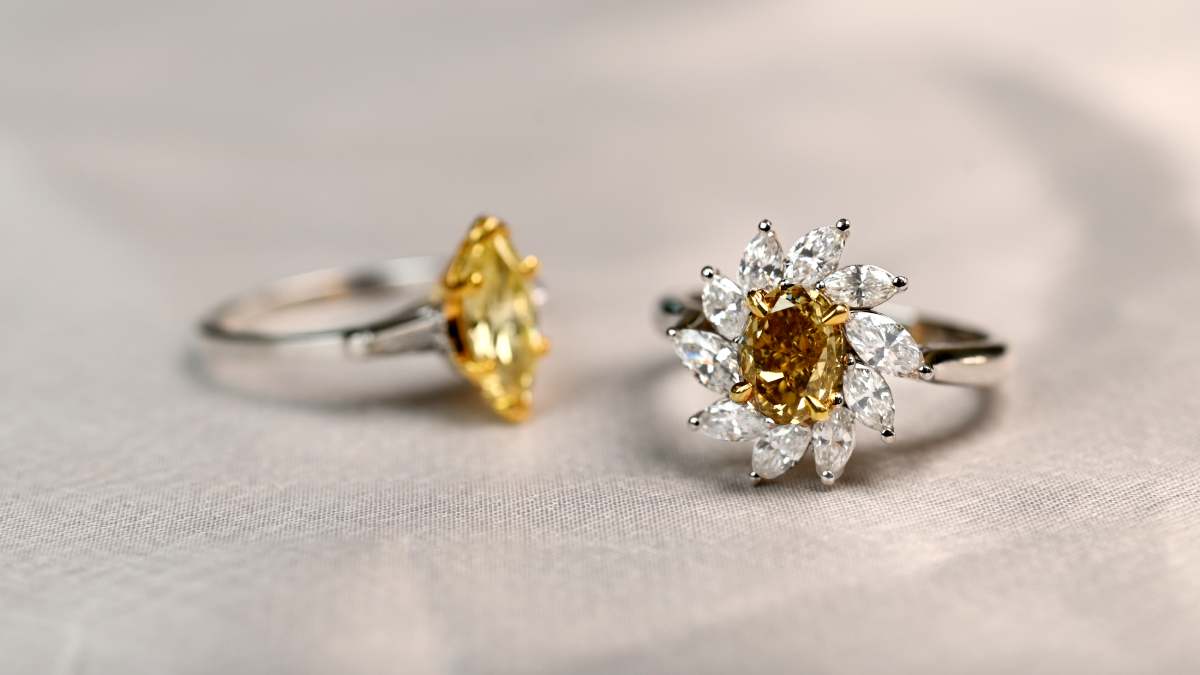
Secondary hue refers to the subtle additional color that appears alongside the primary yellow. It will noticeably change how a diamond looks and how the market values it.
Most fancy yellow diamonds are not perfectly pure yellow, so laboratories describe these modifiers directly on the grading report. A secondary hue can make the color feel warmer, cooler, brighter, or more subdued depending on its character.
Buyers should understand that two diamonds with the same intensity grade can look very different once modifiers are involved. In higher-end stones, hue purity often carries a premium because it produces a cleaner, more vivid face-up appearance.
- Pure yellow. No modifier present. Bright and clean color that is typically the most desirable.
- Orangey yellow. Adds warmth and richness. Often increases visual appeal and value.
- Greenish yellow. Produces a cooler tone. Niche appeal but can be attractive in strong saturation.
- Brownish yellow. Softens brightness and reduces perceived vibrancy. Will usually lowers value.
- Grayish yellow. Mutes the color and reduces liveliness. Least desirable in most markets.
It’s also possible for a diamond to show more than one secondary hue, creating a layered color description on the grading report. When multiple modifiers are present, their combined effect determines whether the yellow appears brighter and more complex or more muted overall.
Expert note: GIA uses two different modifier styles to show strength of secondary color. When a modifier is written as a full color word (like green yellow), it signals a strong secondary hue of green. While an “-ish” modifier (like greenish yellow) indicates a softer influence of secondary green. Additionally, for orange, GIA will use “orangy” instead of “orangish”, but the meaning is the same.
3. Even Color Distribution
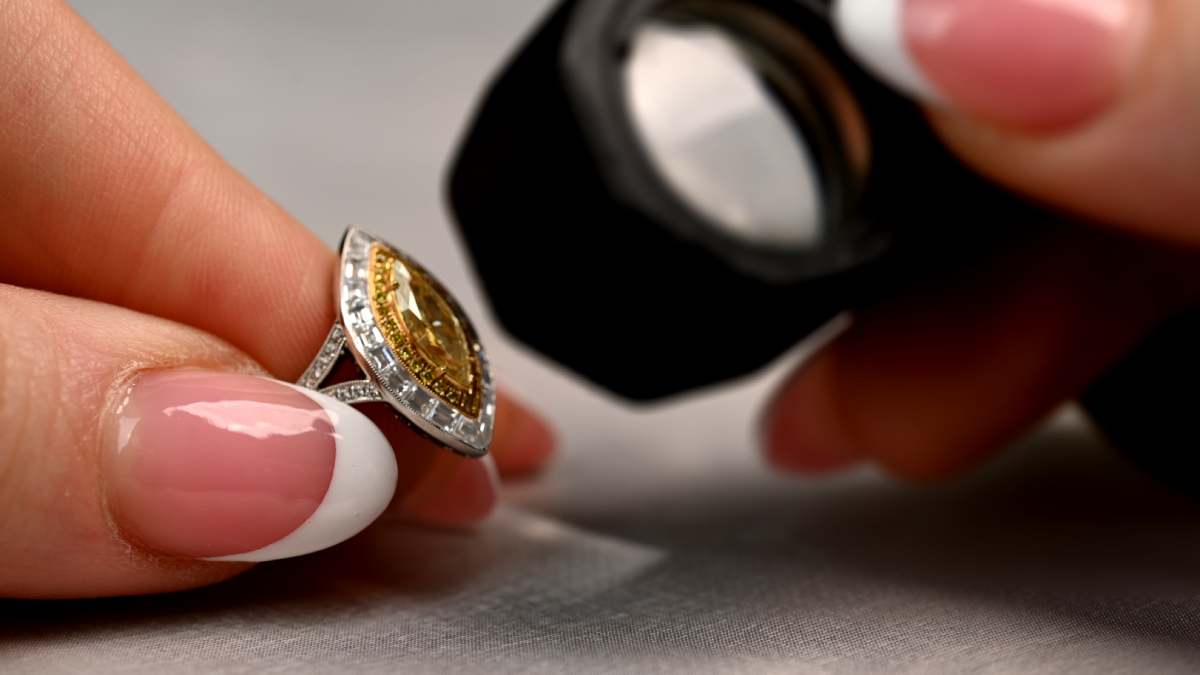
An even color distribution (even spread) is one of the most important visual qualities in a fancy yellow diamond. The yellow should appear consistent across the face of the stone, without obvious patches that look lighter or darker. When color is evenly distributed, the diamond feels balanced and intentional. Uneven spread can make an otherwise strong color grade appear weaker in real lighting. Buyers should view the stone from multiple angles to confirm that the color holds steady.
Additionally, the GIA certificate will clearly state if the color is distributed evenly or not.
Poor color spread can create zones that look washed out or overly concentrated. These areas may distract the eye and reduce the overall impact of the diamond. A well-cut fancy yellow diamond is designed to support uniform color presentation. Consistency gives the stone a richer and more refined appearance.
4. 4Cs for Yellow Diamonds
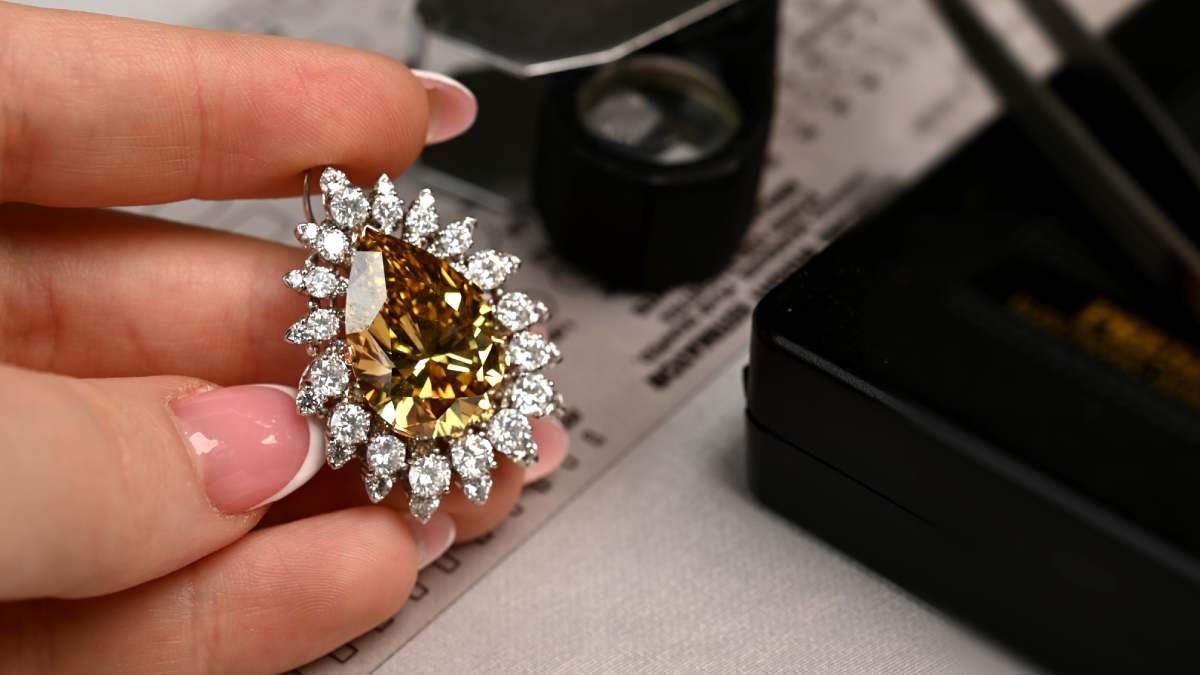
The 4Cs will still apply to fancy yellow diamonds (as they do with white diamonds), but their priorities shift quite significantly.

1. Color is no longer about absence. It becomes the central value driver. Buyers must judge how rich and lively the yellow appears, not how white the stone looks. A strong color grade often outweighs minor clarity or proportion tradeoffs. See above.

2. Cut plays a different role than it does in colorless diamonds. The goal is to concentrate and preserve color, not maximize icy brilliance. Shapes like radiant and cushion are popular because they trap saturation. A shallow cut may look larger but weaken the color. A well-planned cut supports even spread and visual intensity.
The most common shapes for fancy yellows will be cushion, oval, pear, and radiant, as these shapes will bring out the color. The emerald cut and Asscher cuts are also very popular, even though they don’t intensify the color as much. Round diamonds are very uncommon for fancy diamonds, as they heavily dilute the color.

3. Clarity matters, but it takes a secondary position to color. Many fine fancy yellow diamonds contain small inclusions that are invisible to the naked eye. Eye-clean appearance is usually the practical benchmark. Structural integrity is more important than microscopic perfection. Buyers should focus on how clean the diamond looks in normal viewing.
4. Carat weight affects both presence and rarity. Larger stones with strong color become exponentially scarcer. Size also influences how color is perceived face-up. A bigger diamond with good saturation has strong visual impact.
In Summary: For collectors, carat weight and color strength together define market desirability.
5. Color Treatments and Fancy Lab-Grown Diamonds
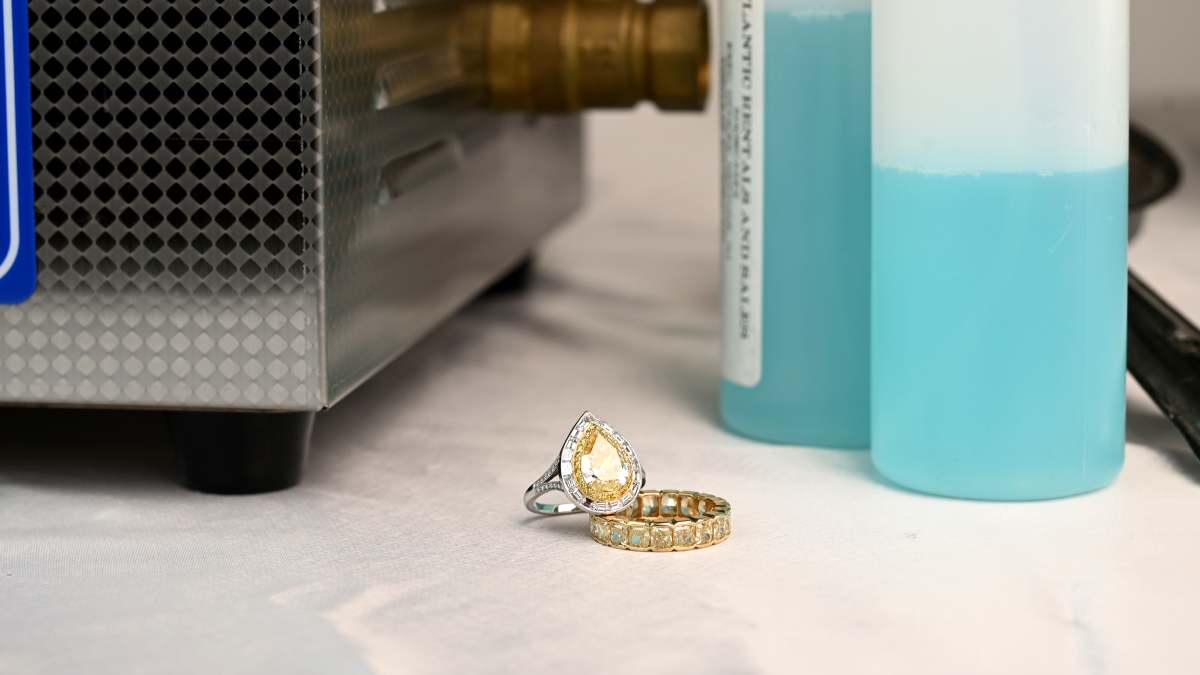
Color treatments and lab-created fancy yellow diamonds occupy a completely different category from natural stones, and serious buyers should treat them as such.
Treatments like irradiation or HPHT can produce vivid yellow color, but that color is engineered, not naturally formed. While treated stones can look attractive, they do not carry the rarity, collector appeal, or long-term market respect of natural diamonds. Their resale market is thin and pricing is unstable. For anyone buying with preservation of value in mind, treated color is fundamentally a cosmetic enhancement, not a collectible asset.
Fancy lab-grown yellow diamonds go even further by replicating appearance without natural scarcity. They can display strong color, but abundance is built into their production model. This removes the rarity that drives real market value.
Prices tend to trend downward as manufacturing improves, making them poor candidates for anyone thinking beyond short-term jewelry enjoyment. They serve a decorative purpose, but they do not participate in the natural diamond collector market.
In Summary: If you’re in the market to buy a genuine colored diamond, make sure that your certificate clearly marks the gemstone as “natural”.
Understanding Certification for Yellow Diamonds
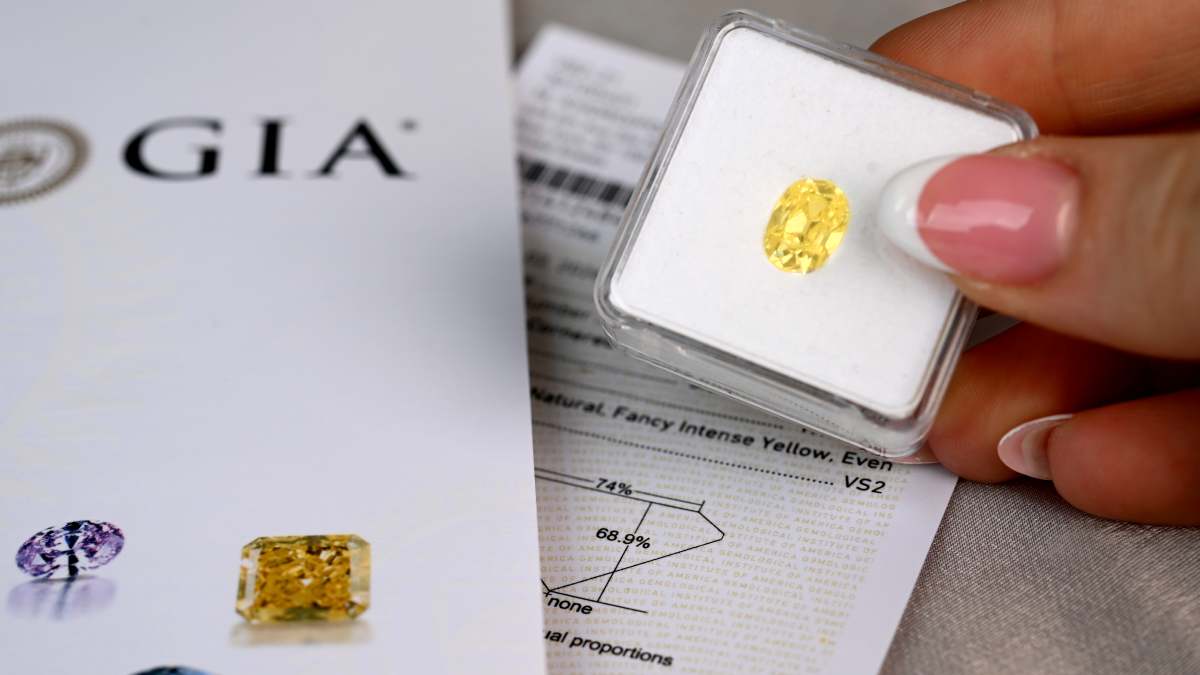
As shown above, fancy yellow diamonds involve many subtle grading details that are difficult to judge accurately without professional equipment and controlled conditions. Factors like saturation strength, secondary hues, tone balance, treatments, and overall classification all require expert analysis. For higher-value purchases, relying on visual inspection alone is not enough. Independent laboratory verification confirms that what is being represented matches measurable gemological standards.
Because certification directly affects trust, resale confidence, and long-term value, the issuing laboratory matters as much as the report itself. A respected lab provides consistent grading, proper disclosure, and market credibility that buyers and future sellers rely on.
“For fancy yellow diamonds of one carat and higher, or for very high-ticket items, I would recommend relying exclusively on a GIA certificate,” says Afshin Shaddaie. “A GIA grading report carries the strongest credibility, consistency, and market confidence when trading yellow diamonds.”
Shop Fancy Yellow Diamonds

Estate Diamond Jewelry offers a stunning collection of fancy yellow diamonds, carefully selected for beauty, character, and gemological quality. Explore our collection to discover exceptional stones that showcase the richness and brilliance serious buyers look for.
How Much do Fancy Yellow Diamonds Cost?
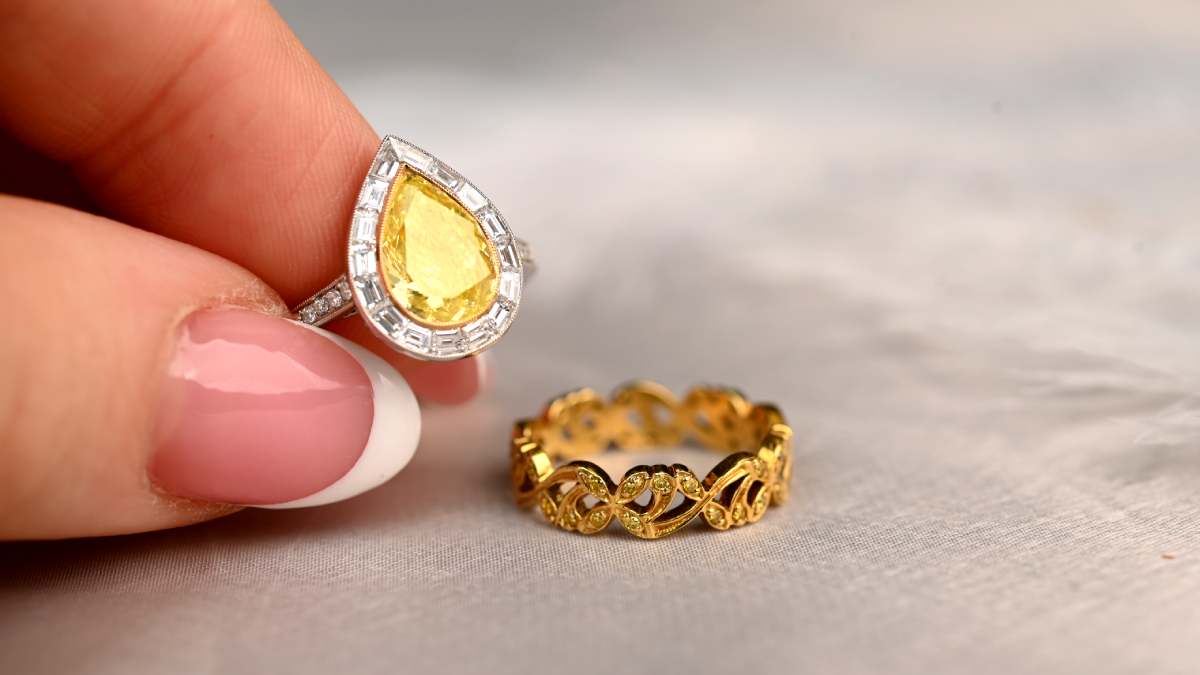
Fancy yellow diamond pricing varies widely because value is driven primarily by color intensity, hue purity, size, and overall visual appeal rather than a simple per-carat formula.
Two diamonds of the same weight can differ dramatically in price depending on saturation strength and modifier colors.
Market demand also plays a role, especially for larger stones with strong color grades. As saturation and rarity increase, pricing rises sharply rather than gradually. Buyers should think in terms of quality tiers, not just carat weight.
- Fancy Light Yellow: Entry tier pricing. Softer color keeps values relatively accessible.
- Fancy Yellow: Mid-market range. Noticeable color with balanced demand.
- Fancy Intense Yellow: Strong saturation creates premium pricing and collector interest.
- Fancy Vivid Yellow: Top consumer tier. Highest price-per-carat among yellow diamonds
- Modifier effects: Brownish tones reduce value, while warm modifiers can increase desirability. Usually the pure color is the most valuable.
- Carat weight impact: Larger saturated stones rise exponentially in price due to rarity.
- Certification and origin: Trusted lab grading supports stronger resale confidence and pricing.
What is a Canary Diamond?
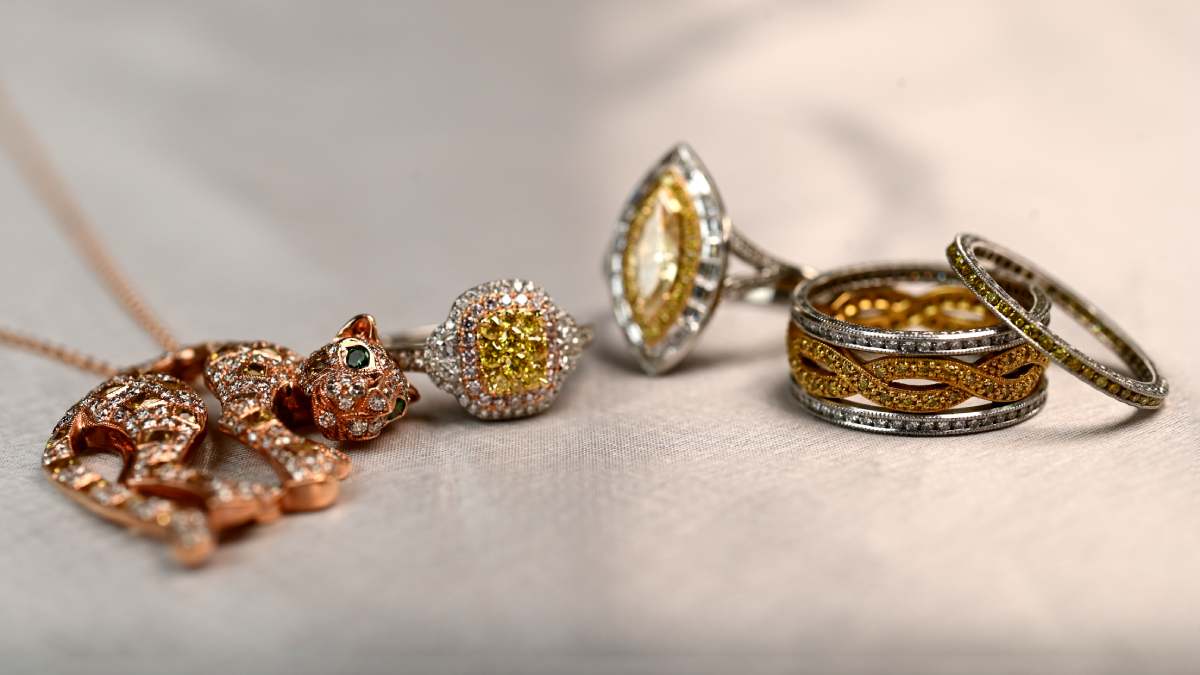
A canary diamond is an informal trade term used to describe a natural fancy yellow diamond with strong, vivid color that resembles the bright plumage of a canary bird. It is not an official grading category. Laboratories like GIA do not use the word “canary” on certificates. Instead, they grade the stone using formal color intensity terms such as Fancy, Fancy Intense, or Fancy Vivid Yellow.
In the marketplace, the word usually implies a yellow diamond with high saturation and lively brightness, most often falling in the Fancy Intense or Fancy Vivid range. However, because it’s a marketing term, sellers may apply it loosely.
In Summary: Serious buyers should always rely on the laboratory color grade rather than the nickname when judging quality and value.
Choose a Mounting for a Fancy Yellow Diamond

The right mounting can dramatically enhance the color of a fancy yellow diamond. Settings should support the saturation of the diamond, not dilute it. Metal choice, prong style, and side stones all influence how the yellow appears face-up. A well-planned design can make the color look richer and more vibrant. Buyers should think strategically, not just stylistically.
A few pointers:
- Yellow gold prongs enhance warmth and deepen the yellow tone
- White metal halos create contrast and make the center color pop
- Two-tone settings balance brightness and warmth
- Hidden yellow cups beneath the stone can intensify color
- Minimal prongs allow more light and visibility
- Diamond halos increase visual size and drama
Famous Fancy Yellow Diamonds
Some of the world’s most celebrated diamonds are vivid yellow stones that combine exceptional size with extraordinary saturation. These diamonds are not just gemstones, but historic treasures that have appeared in royal collections, museums, and major auctions. Their fame reinforces the prestige of strong natural yellow color at significant carat weights. Many of them set price benchmarks for the broader market. They also help define what true top-tier yellow looks like.
- Tiffany Yellow Diamond. A 128.54ct Fancy Yellow cushion cut, one of the most famous yellow diamonds in the world.
- Cora Sun-Drop Diamond. A 110.03ct Fancy Vivid Yellow pear shape that achieved over $12 million at auction.
- Allnatt Diamond. A 101.29ct Fancy Vivid Yellow stone known for its rich saturation and historic ownership.
- Red Cross Diamond. A 205.07ct Fancy Yellow cushion cut with a Maltese cross visible under light.
- Incomparable Diamond. A 407.48ct brownish-yellow diamond, one of the largest internally flawless diamonds ever graded.
Afshin’s Advanced Shopping Tips for Fancy Yellow Diamonds

We reached out to jewelry veteran Afshin Shaddaie for his perspective on buying high-quality fancy yellow diamonds. Below are his top principles for serious buyers who want to make confident, informed decisions.
- Prioritize saturation over clarity. Color drives value. A slightly included vivid stone will often outperform a flawless but weaker yellow.
- Avoid brown modifiers unless the pricing reflects a clear discount. Brown (and grey) colors will mute brightness and reduce long-term desirability.
- Study the diamond in multiple lighting environments before deciding. Be cautious of stones that look strong only under spot lighting, as showroom lights can exaggerate color intensity.
- Consider how metal choice will affect perceived color. The setting can either enhance or dilute the visual strength of the yellow. For some diamonds, platinum will bring out the yellow in the diamond, but for others, the yellow gold will assist the strength of the yellow saturation.
- Do not confuse depth of tone with strength of saturation. A darker stone is not automatically a stronger stone. Brightness and purity matter more.
- Understand enhancement techniques used in mountings. Yellow-backed cups, yellow gold settings, yellow prongs, and minimal white halo influence can all make a fancy yellow appear stronger face-up.
- Purchase only from a trusted seller. Fancy color grading is extremely subjective, and there are few true authorities in the market. Finding someone who you can trust, is critical when buying fancy diamonds. Additionally, for significant purchases, insist on a GIA certificate to ensure credibility and protection.
Frequently Asked Questions
1. What Is the Most Valuable Yellow Diamond Grade?
The most valuable yellow diamond grade is Fancy Vivid Yellow. This tier represents the highest level of saturation and visual intensity within the yellow color scale. When combined with strong clarity and size, Fancy Vivid stones command the highest prices in the market.
2. How Rare are Fancy Yellow Diamonds?
Fancy yellow diamonds are extremely rare when compared to standard white diamonds. That being said, they are the most common among natural fancy colors, with colors like red and blue being far rarer.
Industry estimates suggest that less than 1% of all mined diamonds qualify as “fancy color”. Stronger saturation levels such as Fancy Intense and Fancy Vivid represent only a fraction of those stones.
3. How Can I Tell If a Yellow Diamond Has Been Treated?
The only reliable way to confirm whether a yellow diamond is natural in color is through a laboratory certificate. As mentioned above, Afshin Shaddaie recommends only relying on the GIA for fancy diamonds.
Treatments such as HPHT or irradiation will be disclosed on the grading report. For significant purchases, always insist on trusted certification to verify natural origin.
4. Do Lab-Grown Fancy Yellow Diamonds Hold Value?
Lab-grown fancy yellow diamonds do not hold real long-term value. They can be produced in unlimited supply, which removes the rarity that drives pricing stability. While they may serve as decorative jewelry, they do not participate in the natural diamond collector or investment market. To read more on lab-grown diamonds, click here.
5. What Is the Difference Between “Orange Yellow” and “Orangy Yellow”?
Both terms describe a yellow diamond with orange influence, but the strength differs. Orange yellow indicates a stronger orange modifier, while orangy yellow signals a softer secondary hue. In both cases, yellow remains the dominant color.
The same thing applies to Brown Yellow vs Brownish Yellow, Green Yellow vs Greenish Yellow, or Grey Yellow vs Greyish Yellow.
6. Is a Fancy Greenish Yellow More Valuable Than a Fancy Brownish Yellow?
In most cases, greenish yellow is more desirable than brownish yellow. Green modifiers can add brightness or uniqueness, especially in higher saturation grades. Brown tones tend to mute vibrancy and usually reduce market value.
7. Are Large Fancy Yellow Diamonds a Good Investment?
Fancy yellow diamonds can be strong investment pieces, particularly in Intense or Vivid grades. Many investors have seen impressive long-term returns in fancy diamonds. However, like any investment, outcomes depend on quality, timing, and market demand, and there are no guarantees.
8. Are Yellow Diamonds a Good Choice for an Engagement Ring?
Yes, yellow diamonds are growing in popularity for engagement rings. They offer a distinctive and luxurious alternative to traditional white diamonds. For couples seeking something unique with strong visual character, a fancy yellow diamond makes a bold choice.
Consult with a Fancy Yellow Diamond Expert

Interested in a fancy yellow diamond? Don’t hesitate to contact us. We will respond within one business hour.
If you have a specific idea in mind, you’ll be happy to know our jewelers can handcraft a ring using traditional methods. Schedule an appointment, and we’ll make your vision a reality.
