
Blog
Afshin’s Tips to Saving Money on Your Engagement Ring?

Here are our top practical and creative strategies to save money on an engagement ring without compromising too much on quality or style.
Drawing from decades of industry experience, expert jeweler Afshin Shaddaie shares insider tips and lesser-known approaches to make your engagement ring purchase as affordable as possible. Whether you’re a first-time buyer or not, this guide promises to equip you with the knowledge to make a savvy, budget-friendly choice in selecting the perfect ring.
1. Ask Politely for a Discount
One of the simplest and most effective ways to save money on an engagement ring is to just ask (politely) if the price is negotiable. It may feel awkward if you’re not the type to haggle, but many jewelers are open to giving a discount when approached with respect and genuine interest.
At Estate Diamond Jewelry, we’re asked about discounts all the time, and we’re genuinely happy to work with our customers whenever possible. A calm, courteous question like, “Is there any flexibility on the price?” can go a long way. Often, just showing that you’re serious and respectful is enough to open the door to a better deal.
That said, this strategy works best with family-owned and boutique jewelers who value relationships and personalized service. Large chain stores and jewelry houses are typically rigid on pricing. Unfortunately, it is not uncommon to hear stories of them responding rudely to discount requests. Stick with independent boutique jewelers if you’re hoping to negotiate successfully.
Feel free to read our full guide on everything that you need to know in order to negotiate successfully with jewelers.
2. Choose An Affordable Metal for the Ring
The metal you choose for an engagement ring can have a big impact on the final price (especially with the prices going so high in recent years).
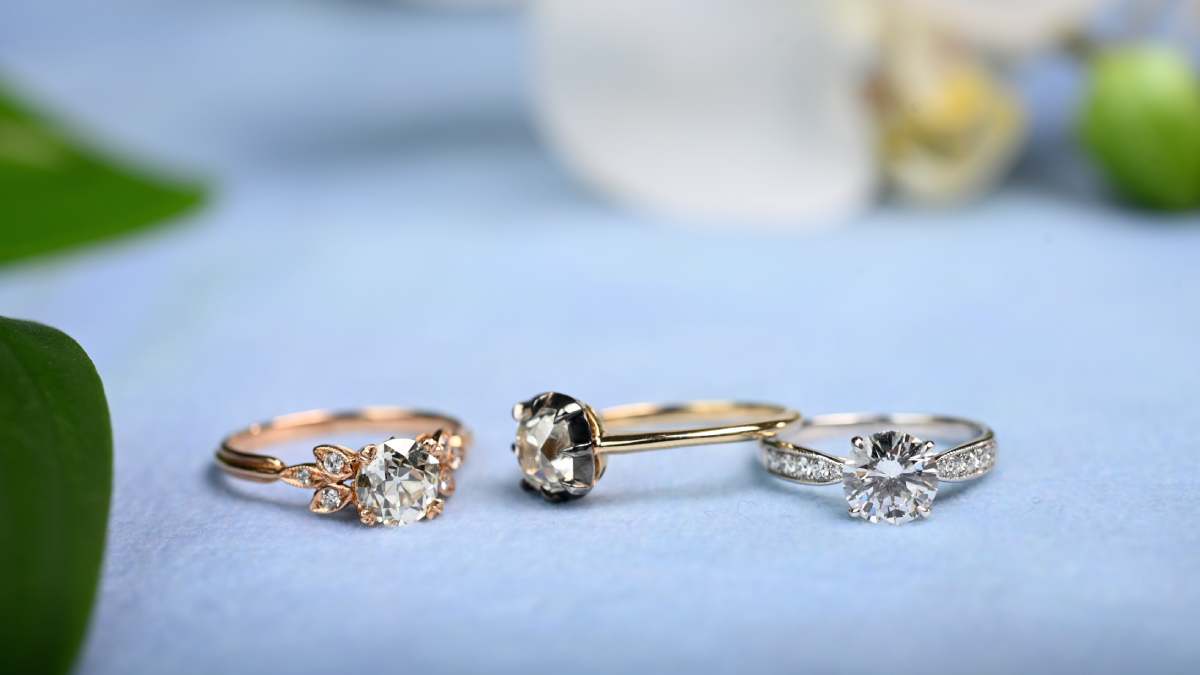
If you’re looking to save money, yellow gold and white gold are both affordable and classic options. Their prices are usually similar, so your choice can come down to style preference rather than cost. Choosing 14k or even 10k gold instead of 18k can also lead to substantial savings, while still offering a beautiful and durable finish. Both metals are strong enough for daily wear and can beautifully complement a wide range of diamond shapes and colors.
Platinum, while popular for its strength and hypoallergenic properties, tends to be significantly more expensive. Although it offers excellent durability and a luxurious feel, it doesn’t look dramatically different from white gold to the average eye. For those sticking to a tighter budget, choosing gold over platinum can reduce costs without sacrificing the ring’s appearance or quality.
Worth considering: Platinum’s higher upfront cost can be balanced out over time. It wears down more slowly than gold and typically requires less maintenance, which may save on future repairs or upkeep. If your budget allows, platinum can be a smart investment, especially if you’re aiming for a ring that’s built to last or planning to pass it down as an heirloom.
3. Choose a Diamond Color That Offers the Best Value
Diamond color plays a major role in the overall price of an engagement ring. The Gemological Institute of America (GIA) grades diamonds on a color scale from D to Z, with D representing completely colorless diamonds (the rarest and most expensive).
As you move down the scale, diamonds begin to show subtle hints of yellow or brown. While D to H diamonds are prized for their near-colorless appearance, they often come with a higher price tag. On the other hand, diamonds in the J to L range still appear white to the naked eye, especially when set in yellow or rose gold, but will cost significantly less.

Diamonds graded N to Z have more noticeable color and are usually the most affordable. These can look especially beautiful in vintage-inspired designs or settings made of yellow gold, where the warmer tones of the stone blend naturally with the metal.
Our tip: If you’re trying to save money without sacrificing too much visual quality, look for diamonds in the J, K, or L color range. These diamonds offer an excellent balance between value and beauty, especially when paired with the right setting.
4. Choose an Affordable Diamond Based on Clarity
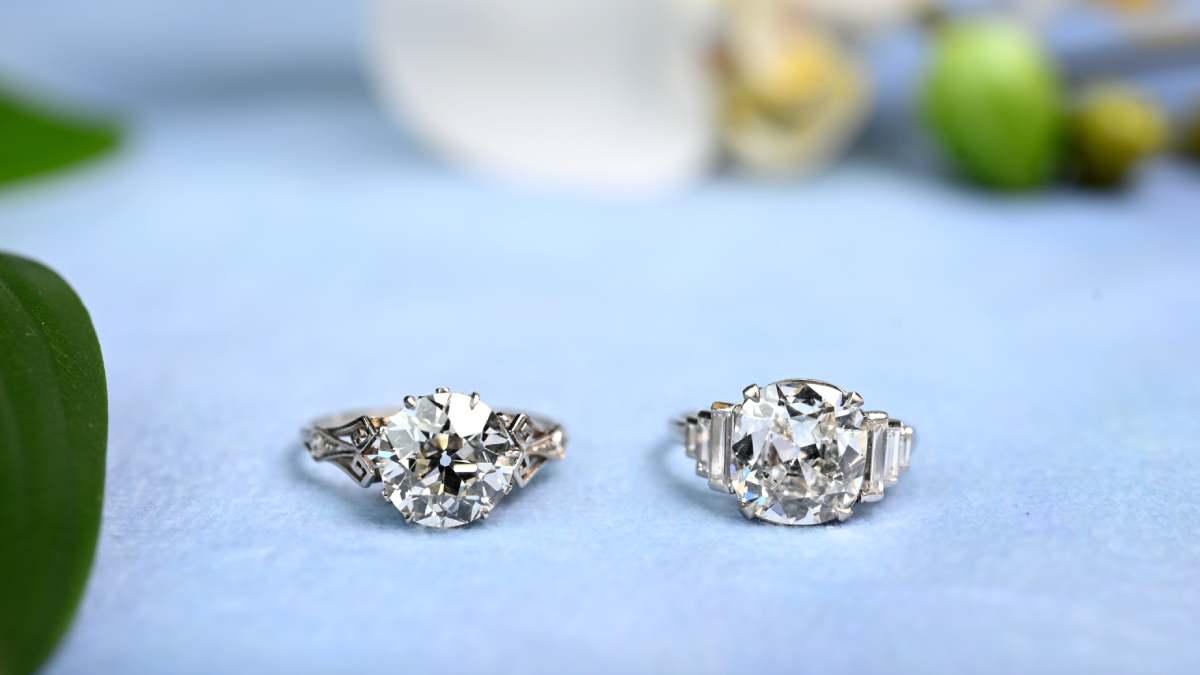
Clarity is one of the key factors that affects the price of a diamond. It measures how free the stone is from inclusions (internal flaws) and blemishes (surface imperfections). Flawless (FL) diamonds are the rarest and most expensive because they show no flaws even under 10x magnification. But if you’re working with a budget, you don’t need a flawless diamond to have a beautiful ring.

The GIA clarity scale ranges from Flawless to Included, with multiple grades in between. For shoppers looking to save money without losing visual appeal, diamonds in the VS2 to SI2 range are excellent choices. These diamonds may have small imperfections, but most of them are only visible under a microscope. To the naked eye, they still look clear, bright, and full of sparkle.
Our tip: Stick with VS2, SI1, or even SI2 clarity grades. These diamonds offer great value and often look just as stunning as higher-clarity stones in a well-chosen setting. This gives you more flexibility in your budget and so you can opt for a larger carat weight, a more intricate setting, or simply save money without sacrificing beauty.
5. Pick the Cheapest Diamond by Carat Size
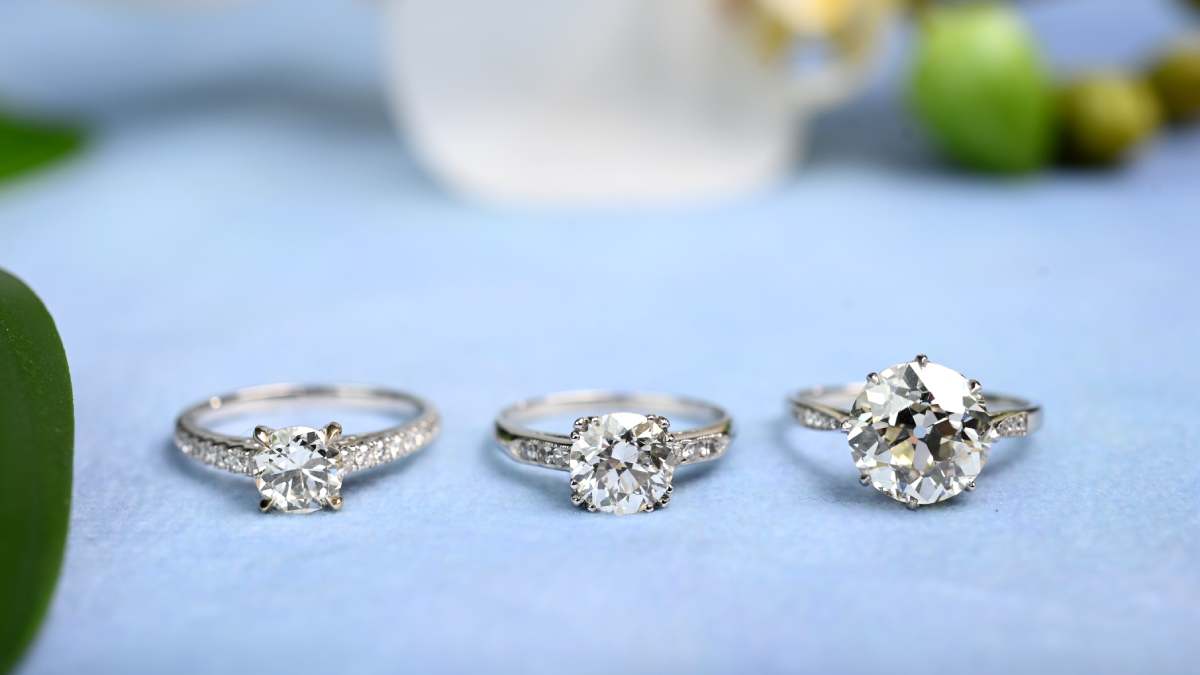
Carat weight is the most noticeable (and expensive) factor in a diamond’s price. While it’s tempting to aim for a larger stone, bigger isn’t always better, especially when working with a budget. Larger diamonds cost more not just because of their size, but also because they’re rarer. Choosing a slightly smaller carat size can result in major savings without sacrificing the ring’s beauty.
Here are three smart ways to save money on carat size:
- Go with a halo or cluster setting. If she loves sparkle, a halo setting (where smaller diamonds surround the center stone) can make a modest diamond look much larger. This style gives the illusion of a big, dazzling ring while allowing you to choose a smaller (and less expensive) center stone.
- Choose a “just under” carat weight. Diamonds that weigh just below popular carat milestones (like 0.95 instead of a full 1.00 carat) can cost significantly less, but look nearly identical in size. These near-threshold stones often offer excellent value and leave room in the budget for better color or clarity.
- Consider elongated shapes with more visual spread. Fancy shapes like oval, pear, or marquise diamonds tend to appear larger than round diamonds of the same weight. These cuts maximize surface area and give the look of a bigger diamond without the high price tag that comes with extra carat weight.
Our tip: Focus on overall visual impact, not just the number on the scale. With the right shape and setting, a slightly smaller diamond can look just as impressive.
6. Pick a Good Time to Purchase
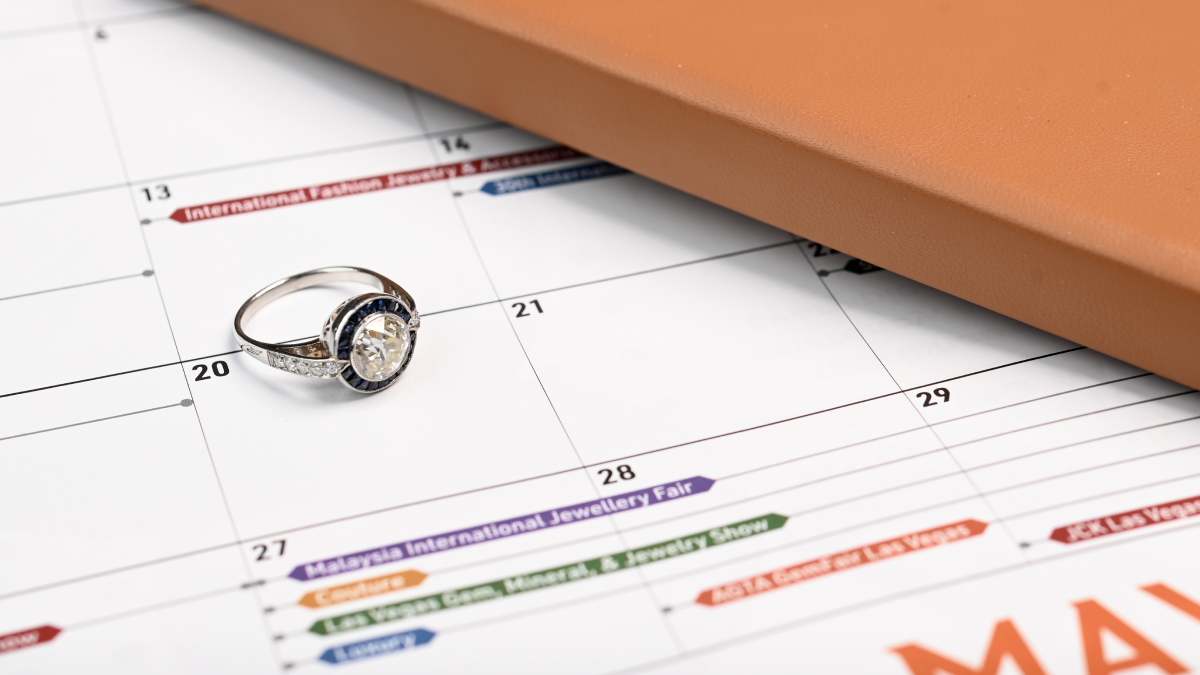
Timing your engagement ring purchase to coincide with certain times of the year can result in substantial savings. Traditionally, jewelers will silently offer significant discounts during slower retail periods, such as January or mid-summer.
Additionally, shopping during Valentines, Black Friday or Cyber Monday sales can also provide opportunities to find high-quality rings at reduced prices.
To learn more about what time of year engagement rings are cheapest, click here.
7. Use an Heirloom to Cut Engagement Ring Costs
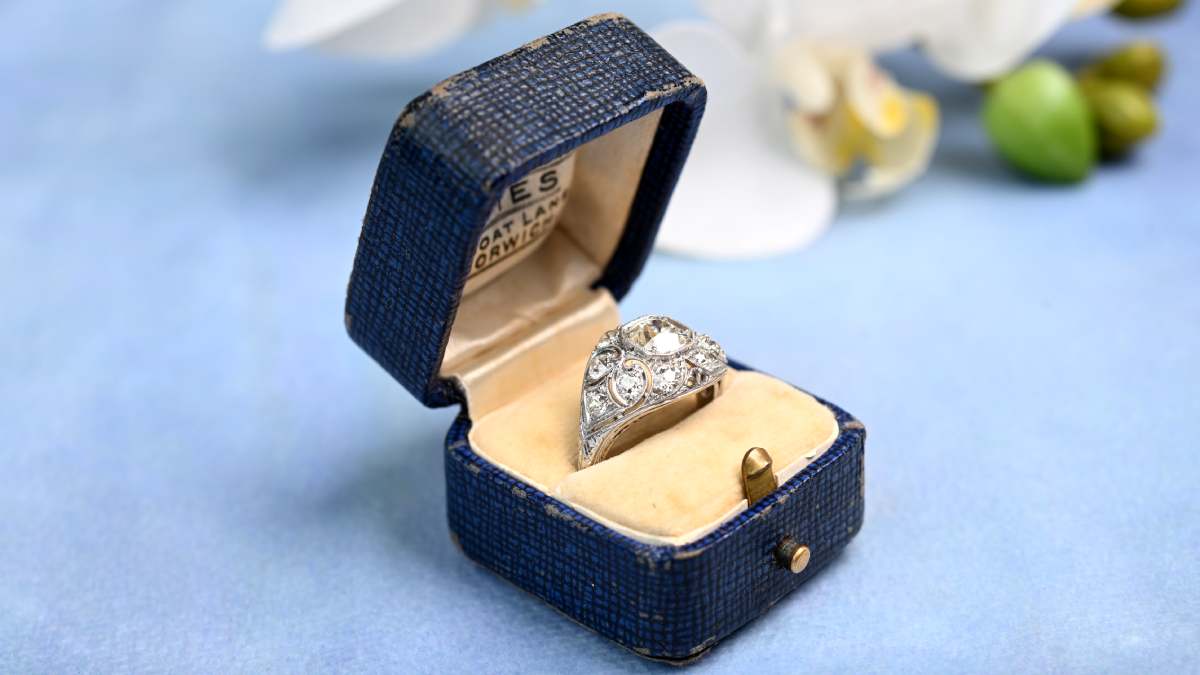
Using a family heirloom ring can be one of the most effective ways to save money on an engagement ring. Since you’re not starting from scratch, you may avoid the major expenses of purchasing a new diamond or band, potentially saving thousands of dollars. It’s also a meaningful option that comes with emotional value, not just financial benefits.
That said, there are a few things to consider to make sure the heirloom actually saves money. First, check if the style suits your partner’s taste. If it doesn’t, you may need to reset the diamond or modify the ring, which can be costly, sometimes approaching the price of a new ring. Second, budget for a professional cleaning, appraisal, and insurance. While these aren’t major expenses, they are necessary to protect the ring’s value and prepare it for everyday wear.
If the design is already something your partner will love (or if only minimal updates are needed) an heirloom ring can significantly reduce your overall engagement ring budget. It allows you to focus your spending elsewhere or avoid the expense entirely, while still offering a piece that carries history, meaning, and beauty.
8. Buy Online Instead of in a Physical Store
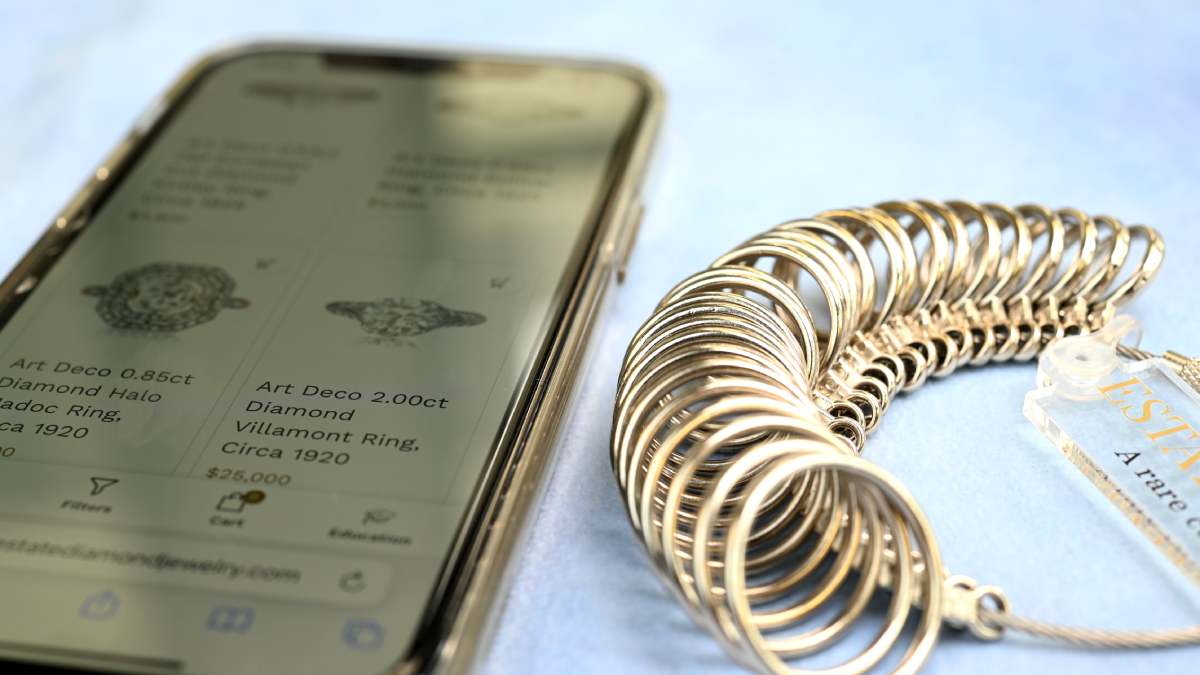
One of the easiest ways to save money on an engagement ring is to buy it online instead of at a traditional jewelry store. Online jewelers often offer the same quality (or better) at significantly lower prices. The reason? Lower overhead. Unlike physical stores, online retailers don’t pay for expensive storefronts, in-person staff, or high-maintenance displays. These savings are usually passed directly to the customer.
In addition to better pricing, buying online gives you access to a wider selection of diamonds, settings, and customization options. You’re not limited to what’s available in a local display case. Instead, you can compare thousands of rings, filter by price, and make a more informed decision without pressure from a salesperson.
That said, it’s important to do your research. Stick with reputable jewelers who offer certified diamonds, clear return policies, and strong customer reviews. Make sure there’s a warranty or inspection window in case you need to return or resize the ring.
Bottom line: Buying online gives you the flexibility to shop smart and stretch your budget further. You’re more likely to find a stunning ring at a better price, without compromising on quality, beauty, or peace of mind.
9. Choose a Gemstone Instead of a Diamond
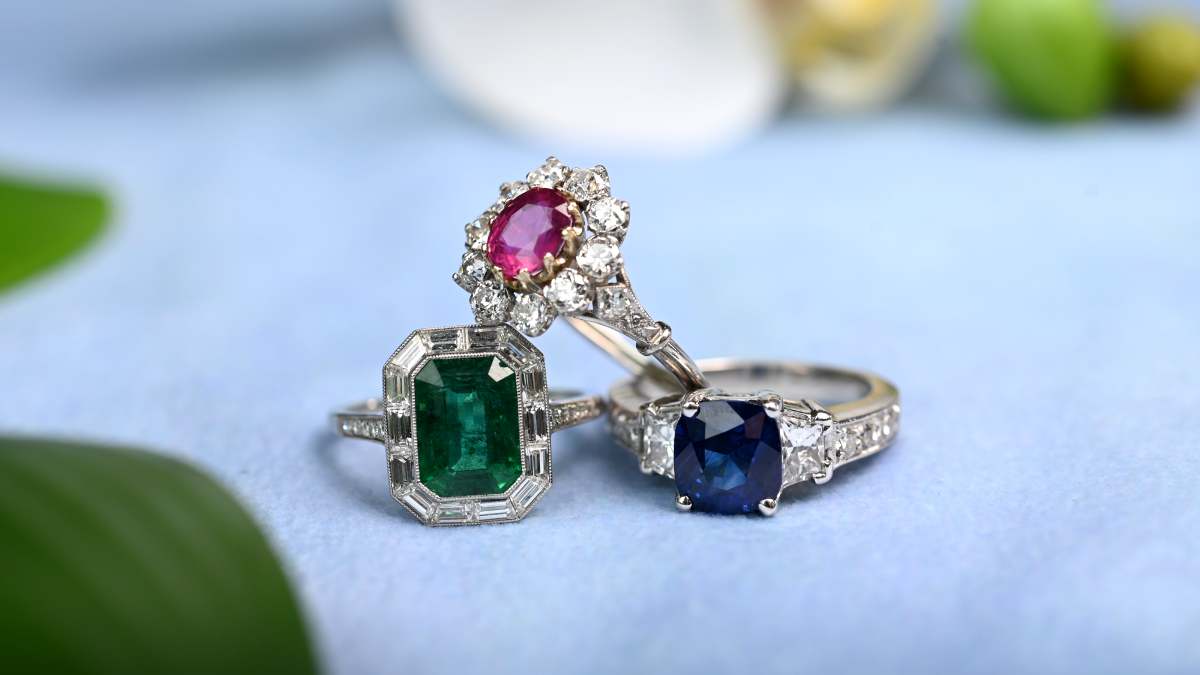
If you’re looking for a unique and budget-friendly alternative to a traditional diamond engagement ring, consider opting for a natural colored gemstone like sapphire, ruby, emerald, or aquamarine. These stones offer stunning beauty, rich symbolism, and individuality, often at a fraction of the cost of a comparable diamond. Sapphires and rubies, in particular, are quite durable and have long been popular choices in fine jewelry, including royal engagement rings.
Gemstones also give you the opportunity to personalize the ring based on color preferences or meaningful birthstones. Aquamarine, for example, offers a soft and elegant blue tone at a much lower price point than a diamond, while emeralds bring a deep, timeless green that feels both luxurious and romantic.
Important Note: Be cautious when considering lab-grown gemstones or lab-grown diamonds. While they may seem like an affordable option, they typically hold little to no resale value and lack the long-term investment appeal of natural stones. For an engagement ring we strongly recommend sticking with natural gems. Read more.
10. Look for Discounts and Special Deals
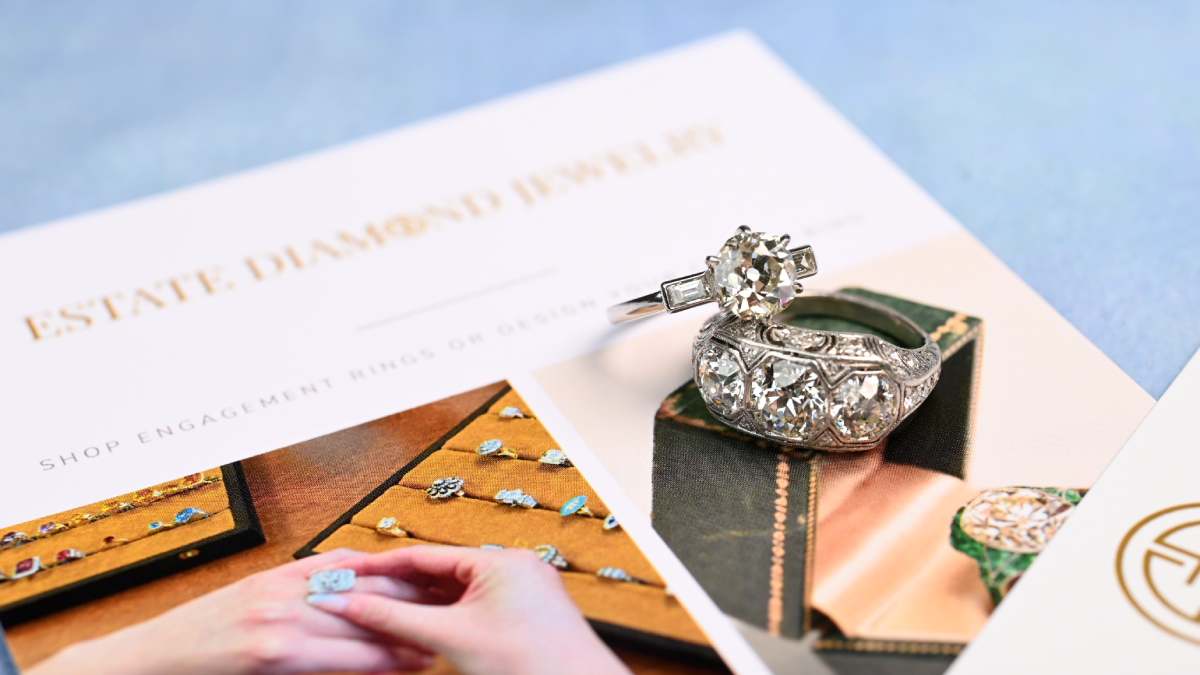
Many jewelers offer discounts and special promotions throughout the year, and taking advantage of these deals can lead to substantial savings. Seasonal sales, holiday events, and online-exclusive offers often include percentage discounts, free upgrades, or reduced pricing on select styles.
Keep an eye out for promotions both in-store and online. Signing up for a jeweler’s newsletter or following their social media pages can help you stay informed about upcoming sales. Even a modest discount (such as 5% or 8%) can make a big difference, especially on higher-priced rings.
If you come across an expired promo, don’t hesitate to ask if the jeweler would be willing to honor it. Many are open to extending a deal, especially if you’re ready to make a purchase.
Important Note: If you see any discounts or “special deals” that are too heavily discounted, investigate. Genuine jewelry doesn’t usually have discounts over 15% or 20% percent.
11. Inquire About a Wire Transfer Discount
Here’s a serious insider tip: some jewelers offer a discount (often 1% to 3%) if you pay by wire transfer instead of using a credit card. That’s because credit card processing fees can be substantial for high-ticket purchases, and by wiring the funds, you’re saving the jeweler that extra cost. In many cases, they’re willing to pass all (or part) of those savings on to you.
Important: Only use this strategy with a highly reputable jeweler you fully trust. Wire transfers offer fewer protections than credit cards, so make sure the business is well-established, has excellent reviews, and communicates clearly. When used wisely, this expert move can shave a few hundred dollars, or even more, off your final price.
12. Choose a Non-Round Diamond Shape
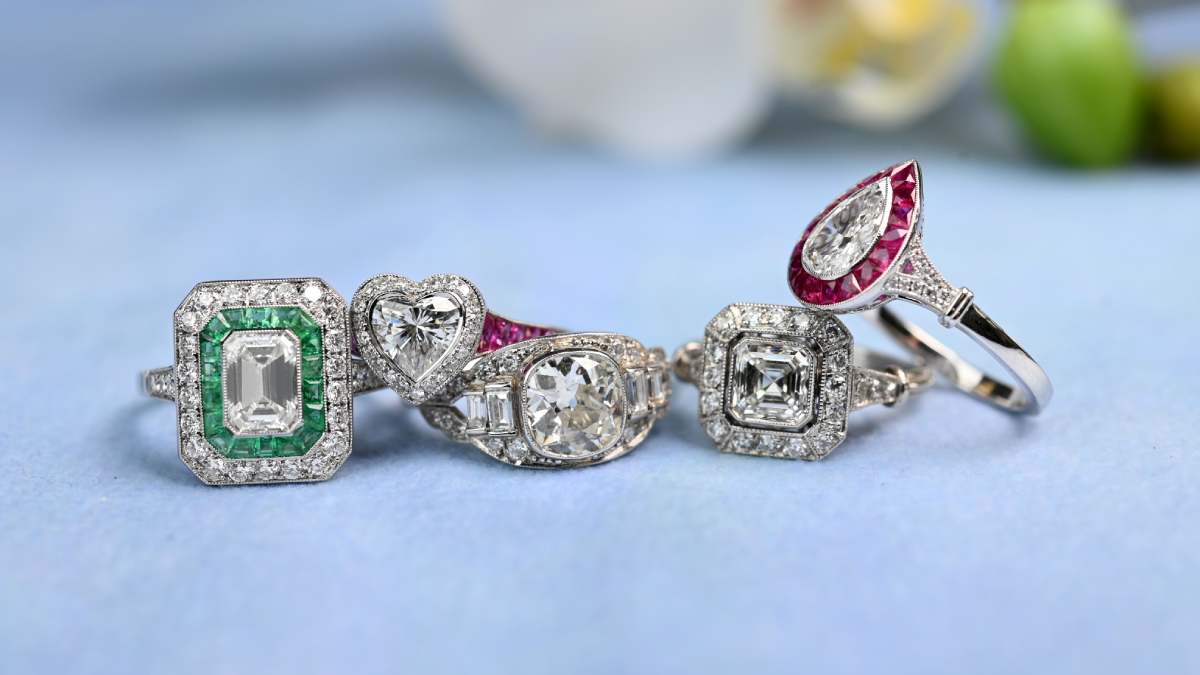
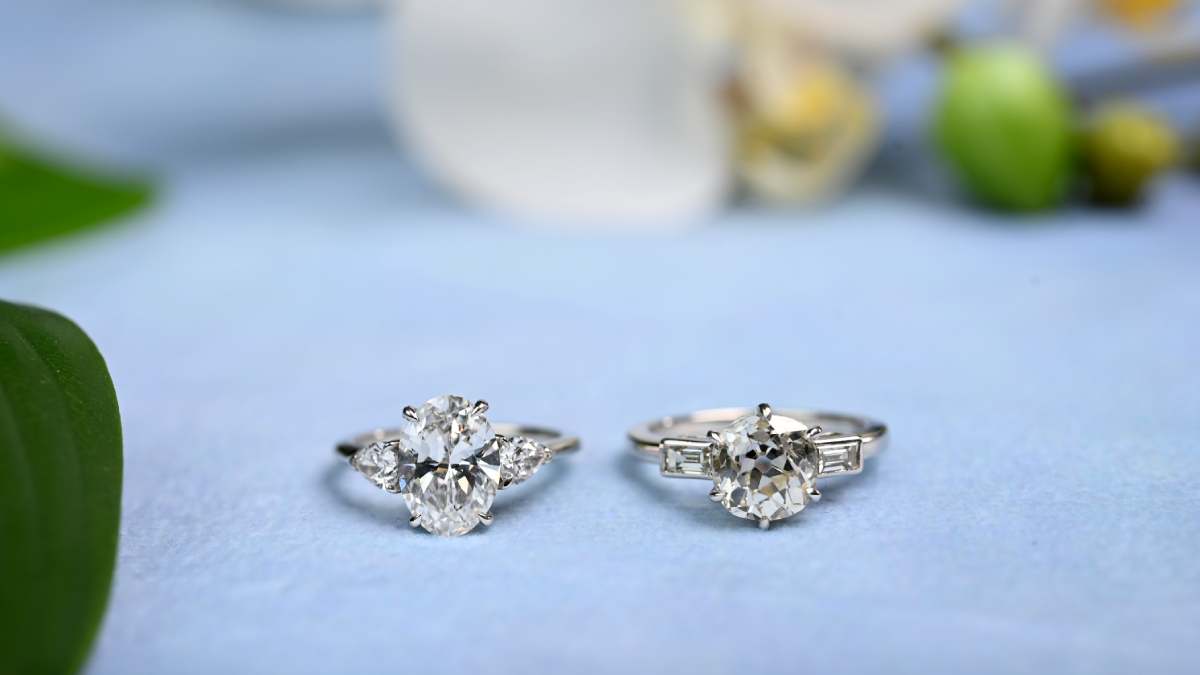
Round brilliant diamonds are the most popular, but they’re also the most expensive per carat. If you’re looking to save money without sacrificing beauty, consider choosing a fancy shape like oval, cushion, emerald, marquise, or pear. These shapes often cost 10% to 30% less than comparable round diamonds.
As a bonus, many non-round diamonds look larger than round ones of the same carat weight. For example, ovals and marquises have more surface area, which gives the illusion of a bigger stone, making them ideal for maximizing visual impact on a budget.
Talk to an Expert Jeweler
At the end of the day, the more informed you are, the smarter (and more cost-effective) your engagement ring decisions will be. From understanding color and clarity to knowing when and where to buy, these tips can save you thousands of dollars.
Still, every situation is unique. That’s why speaking directly with a diamond expert can make all the difference. Whether you want help sticking to a budget, choosing the right setting, or maximizing value without compromise, expert guidance can simplify the process and give you confidence in your choice.
Ready to take the next step? Fill out the form below and connect with a trusted expert who can help you find the perfect ring. We respond within one business hour.


