
Blog
Afshin’s Guide to Natural Saltwater Pearls


Discover the hidden world of natural saltwater pearls, mesmerizing gems that continue to captivate collectors and connoisseurs alike. This expert guide is written by Afshin Shaddaie and Michael Khordipour, leading authorities on natural pearls, renowned authors, and respected lecturers in the field of antique and fine jewelry.
Questions about Natural Saltwater Pearls? Send us a message.
Skip Ahead: Natural vs Cultured | Saltwater vs Freshwater | Afshin’s Advanced Buying Guide
What is a Natural Saltwater Pearl?

A natural saltwater pearl is a gem formed organically within the soft tissues of a marine mollusk, typically an oyster, without any human intervention, and within a saltwater body of water.
Unlike cultured pearls, which are human-cultivated by inserting a nucleus into the oyster to trigger pearl formation, natural pearls form when a small natural irritant (such as a grain of sand or a parasite) accidentally becomes trapped inside the oyster. To protect itself, the mollusk secretes layers of nacre, the iridescent material that gives pearls their luster and beauty.
Natural saltwater pearls are extremely rare, making them highly valuable and sought after in the jewelry world. These pearls are often smaller and less uniform in shape compared to their cultured counterparts, but their organic formation and rarity add to their allure and significance.
Natural Saltwater Pearl vs. Cultured Saltwater Pearl

The difference between natural and cultured saltwater pearls is often misunderstood. Here’s an easy way to understand it.
Natural saltwater pearls form completely by chance inside wild oysters, without any human involvement. Because the process depends on a rare natural irritation and years of uninterrupted nacre growth, finding one historically required opening vast numbers of oysters, which is why these pearls are scarce and highly valued by collectors for their organic origin.
Cultured saltwater pearls are also real saltwater pearls, but their formation is guided by skilled pearl farmers. The farmer will introduce a nucleus to start the nacre-coating process. This controlled method makes pearls far more available and consistent in size and appearance. It also allows saltwater pearls to reach the market while preserving the same layered nacre structure that gives pearls their signature luster.
The only reliable way to determine whether a saltwater pearl is natural or cultured is through professional gemological testing. This is typically done using advanced X-radiography to examine the pearl’s internal structure.
Saltwater Natural Pearl vs. Freshwater Natural Pearl

Natural saltwater pearls are generally far more expensive than freshwater natural pearls due to their rarity, dangers associated with retrieving them, historical prestige, and stronger collector demand.
As mentioned before, saltwater natural pearls form by pure chance inside wild marine oysters. This occurs in oceans or seas where conditions must align perfectly for nacre to build over many years. Because marine oysters usually produce only one pearl at a time and the natural formation is extremely uncommon, these pearls are historically extremely rare. Additionally, retrieving natural saltwater pearls historically required free divers to descend repeatedly into dangerous open sea environments without modern equipment, exposing them to drowning, extreme physical strain, strong currents, and dangerous marine life.
Freshwater natural pearls are generally not as rare or expensive as saltwater natural pearls due to both biological output and the relative conditions under which they were historically harvested. Freshwater mussels can produce multiple pearls within a single shell, increasing the overall likelihood of recovery compared to marine oysters, which typically yield only one pearl at a time. In addition, freshwater pearl gathering traditionally took place in rivers and lakes, where collection was physically demanding but generally less life-threatening than deep-sea pearl diving.
Advanced Buying Guide for Natural Saltwater Pearls
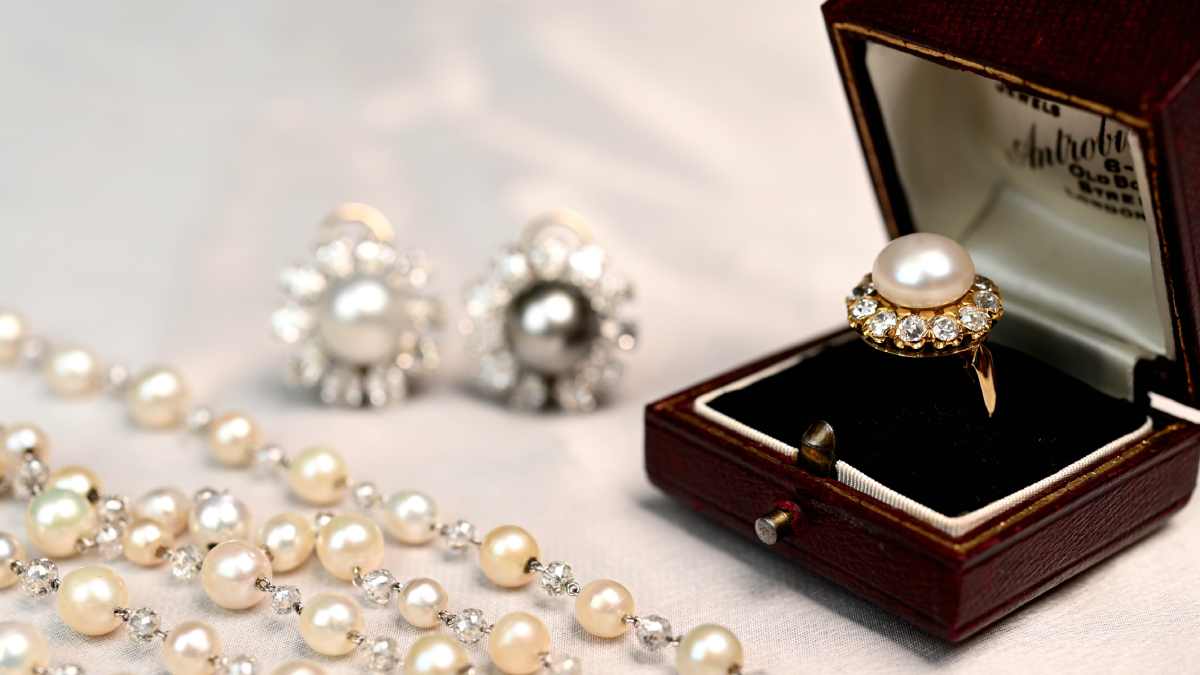
There are eight important aspects to be aware of when shopping for a collection-grade natural saltwater pearl. In this guide, we’ll walk you most of the important factors. If you have additional questions, we strongly encourage sending us a message below.
1. Classification and Certification as a Natural Saltwater Pearl
When shopping for a natural saltwater pearl, the first and most critical step is obtaining an authoritative certification confirming the pearl’s identity. Natural pearls cannot be reliably distinguished from cultured pearls through visual inspection alone, so professional gemological testing, typically involving advanced X-radiography, is essential to verify that the pearl formed without human intervention.
A strong laboratory report should clearly state that the pearl is natural and disclose any observed structural features or enhancements. It is also critical that the lab determines whether the pearl is of saltwater origin.
For serious collectors and investors, documentation from internationally respected gemological laboratories such as SSEF, GRS, G&P Gem Lab, or GIA provides the highest level of market confidence. It will also provide authenticity, transparency, and long-term resale credibility.
2. Size of Natural Saltwater Pearl
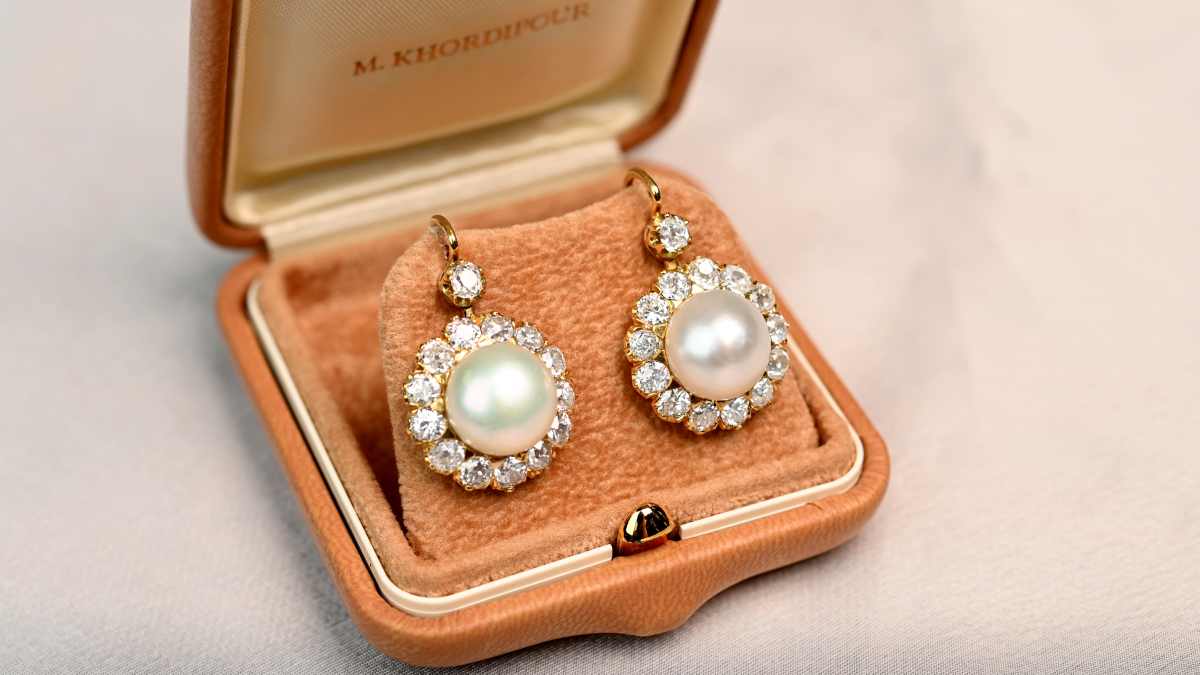
Size is one of the strongest drivers of rarity and value when shopping for natural saltwater pearls. A marine oyster producing a natural pearl is already an uncommon event, and the odds of that pearl growing to a meaningful diameter without structural failure are even lower.
For this reason, value tends to rise disproportionately with size. This is especially true once a pearl reaches dimensions that make it visually dominant in a piece of jewelry. Collectors often view size as a proxy for rarity, since larger natural pearls represent a statistical outlier in nature.
Important Note: Although size ranks among the most important considerations when evaluating natural saltwater pearls, it cannot be judged in isolation. A pearl’s desirability depends on how its size works in tandem with luster, shape, and surface quality. All of these factors together will influence overall beauty and durability. A slightly smaller pearl with exceptional luster and clean skin may command stronger demand than a larger pearl with dull reflection or heavy blemishing. Serious buyers therefore assess size as part of a balanced quality profile.
3. Shape of Natural Saltwater Pearl

Shape plays a major role in both the rarity and desirability of a natural saltwater pearl because formation occurs without human control. As nacre builds unevenly around an accidental nucleus, most natural pearls develop irregular or baroque outlines. Truly symmetrical shapes, especially near-round or round examples, are statistical outliers in nature and are therefore highly sought after by collectors. Historically, round natural pearls were reserved for elite jewelry precisely because their formation required an extraordinary alignment of biological conditions.
That said, value is not determined by roundness alone. Many collectors prize natural pearls with distinctive baroque shapes that display strong character, balance, and visual harmony. The key is whether the shape appears intentional and aesthetically pleasing rather than distorted or structurally weak.
When evaluating shape, experienced buyers consider how the pearl presents in motion, how evenly nacre is distributed, and whether the outline enhances the pearl’s luster and surface qualities, since the best shapes amplify the pearl’s natural beauty rather than distract from it.
Using GIA’s pearl shape classifications, natural saltwater pearls can be described as round, semi-round, button, drop, pear, oval, baroque, and circled. The market preference generally favors the more symmetrical shapes when all other quality factors are equal.
4. Luster of Natural Saltwater Pearl
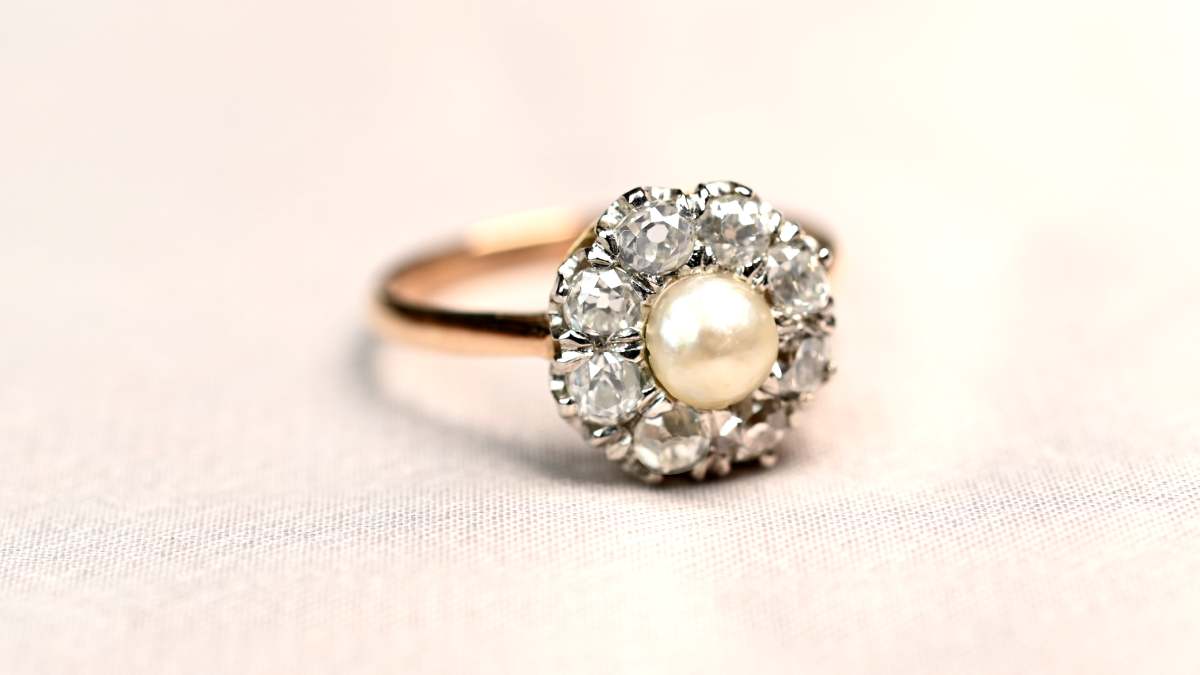
Luster is one of the most important visual indicators of quality in a natural saltwater pearl because it reflects how effectively light interacts with the pearl’s nacre layers. High luster appears as bright, sharp reflections with a mirror-like glow that gives the pearl a lively, almost illuminated look. This optical performance is the result of tightly packed, well-formed nacre layers that developed over time, and it is often what immediately separates exceptional natural pearls from average examples.
“Strong luster enhances perceived depth and makes the pearl appear cleaner and more vibrant,” says Afshin Shaddaie. “For most serious collectors, luster is going to be what they’re focusing on.”
Because natural pearls form unpredictably, luster can vary widely, making it a critical factor in value assessment. Pearls with soft, chalky, or blurred reflections tend to look dull even if they are large or well-shaped, while pearls with crisp, concentrated reflections command greater attention and demand.
Luster Scale: Excellent, Very Good, Good, Fair, and Poor.
Experienced buyers evaluate how evenly luster is distributed across the surface and how it performs under different lighting conditions, since superior luster elevates every other quality trait and is central to a pearl’s overall visual impact.
5. Surface Quality of Natural Saltwater Pearl
Surface quality describes the visible condition of a natural saltwater pearl’s outer skin and is a key factor in both beauty and value. Because natural pearls form without human control, most will show some degree of natural markings such as tiny pits, wrinkles, growth lines, or dimples. These features are part of the pearl’s organic formation, but their extent and visibility matter.
Pearls with cleaner, less interrupted surfaces tend to reflect light more evenly and present a more refined appearance, which is why they are generally more desirable in the collector market.
That being said, surface quality is judged by overall visual impact rather than perfection. Minor blemishes that are difficult to see without magnification often have little effect on desirability, especially if the pearl displays strong luster and pleasing shape. More significant surface disruptions, however, can distract from the pearl’s appearance or indicate areas of structural weakness.
Pearl Surface Scale: Clean, Lightly spotted, Moderately Spotted, and Heavily Spotted.
6. Color of Natural Saltwater Pearl
Color is one of the most captivating features of a natural saltwater pearl. The color is a result of the species of oyster, water conditions, and the structure of its nacre. Natural saltwater pearls most commonly appear in white, cream, and soft silver tones. In the certificate it will often also be described with its subtle overtones such as rose, green, or blue.
Less frequently, natural pearls can display golden hues or delicate gray shades. Collectors look for color that appears even, lively, and well integrated with the pearl’s luster. A rich body color combined with attractive overtones enhances the pearl’s sense of depth and glow.
In terms of desirability, there is no single “best” color, but rarity and visual appeal strongly influence market preference. Clean white or cream pearls with rose or silver overtones have historically been favored in classic jewelry because of their brightness and versatility. Golden or distinctly toned pearls may command premiums when the color is naturally saturated and evenly distributed, especially when paired with strong luster.
7. Nacre of Natural Saltwater Pearl
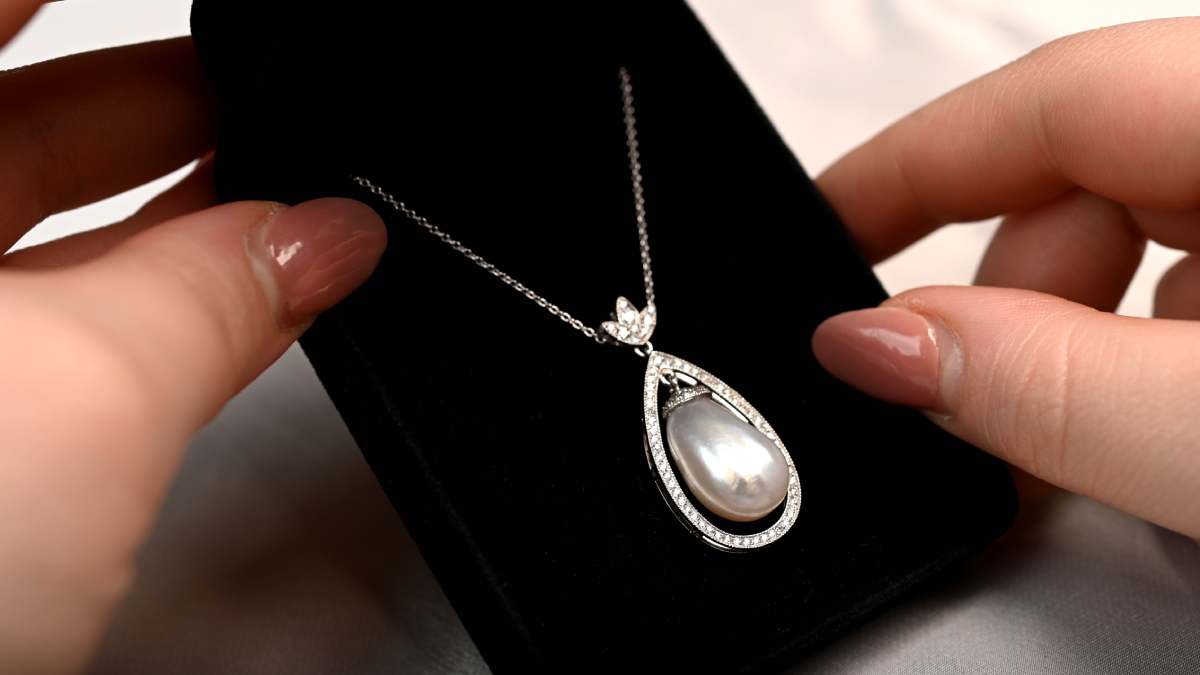
Nacre is the layered crystalline substance that forms the body of a natural saltwater pearl. It builds gradually as the oyster coats an irritant with microscopic plates of aragonite bound by organic material. In natural pearls, the entire structure is nacre, meaning there is no artificial nucleus. This gives natural pearls their characteristic depth and glow.
The tightness and uniformity of these layers directly influence how light travels through the pearl, contributing to luster. This gives the sense of inner radiance that collectors associate with high-quality examples.
Because nacre forms over time under natural conditions, its structure can vary significantly from pearl to pearl. Well-formed nacre with dense, orderly layering produces sharper reflections and greater durability. Irregular growth may result in weaker optical performance or structural vulnerabilities.
“Nacre quality is the foundation that supports all other visual traits,” says Michael Khordipour. “Exceptional nacre enhances luster, stabilizes the surface, and defines the pearl’s long-term beauty and integrity.”
Understanding Matching Pearls and Pearl Strands

Matching is one of the most demanding aspects of working with natural saltwater pearls because each pearl forms independently, with its own size, shape, color, and luster profile. Unlike cultured pearls, which can be produced with relative consistency, natural pearls rarely emerge as uniform pairs or groups.
Creating a well-matched set, whether earrings or a strand, requires assembling pearls that appear harmonious when viewed together, with close agreement in diameter, tone, surface character, and overall visual presence. This difficulty is a major reason matched natural pearls carry a premium among collectors.
In a natural pearl strand, matching extends beyond simple size alignment to include rhythm and balance across the entire necklace. Buyers evaluate how smoothly the pearls graduate, how evenly color and luster transition from one pearl to the next, and whether surface characteristics feel cohesive rather than distracting. A successful strand reads as a unified composition rather than a collection of individual pearls, and achieving that level of consistency with natural material represents significant rarity, craftsmanship, and market value.
How Much Do Natural Saltwater Pearls Cost?

Natural saltwater pearls occupy one of the rarest tiers of the gem market. Pricing reflects scarcity more than any single measurable trait.
Entry-level natural saltwater pearls with modest size or irregular shape may appear in the low thousands, while fine individual pearls with strong luster, pleasing symmetry, and clean surfaces can rise very quickly into five-figure territory.
As size and overall quality increase together, prices tend to scale sharply, because the biological odds of such pearls forming are exceptionally low. In the upper collector market, standout natural pearls are valued less like commodities and more like rare objects. Visual impact and rarity usually strongly impact the demand.
At the highest end, matched pairs, historic jewels, or well-balanced strands composed of natural saltwater pearls can reach six figures or beyond, particularly when provenance or antique mounting adds context.
Examples in Our Collection of Natural Saltwater Pearls

We have been sourcing and curating some of the rarest natural pearls since 1980, steadily building a specialized collection over the years. Collectors are welcome to contact us to request a current list of our natural saltwater pearl jewelry.
Below is a small selection of rare pearl jewelry pieces from our collection.
1. Antique Pearl and Diamond Earrings

Item Number: SM225
These antique earrings showcase fine natural saltwater pearls at their center, framed by a double halo of stunning diamonds. The pearls are accompanied by SSEF documentation confirming their natural and saltwater credentials.
2. Van Cleef and Arpels Pearl Earrings

Item Number: SM234
These rare Van Cleef and Arpels Earrings feature natural saltwater pearls in the center and showcase a floral motif yellow-gold setting. Accompanied by SSEF documentation. Handcrafted by Van Cleef and Arpels, circa 1970.
3. Chaumet Natural Saltwater Pearl Earrings

Item Number: SM275
A very rare pair of Chaumet Earrings displaying natural saltwater drop pearls beneath a scroll-motif setting of platinum and diamonds. Accompanied by SSEF numbers and documentation. Circa 1950.
4. “Salt and Pepper” Natural Saltwater Earrings

Item Number: 11031
A very fine pair of “salt and pepper” natural saltwater pearl earrings framed by a floral motif arrangement of diamonds. The natural pearls are certified by the SSEF.
5. Natural Pearl and Diamond Cluster Tabor Earrings

Item Number: 11013
Cluster earrings featuring two saltwater natural round button pearls weighing 7.89 carats and 8.07 carats.
6. Natural Pearl and Diamond Halo Bayview Ring

A beautiful ring that features a natural saltwater button pearl, weighing 21.48 chows.
Contact Us

If you have any questions about saltwater natural pearls, please send us a message. You can also contact us to request more information on Natural Saltwater Pearl Collection.
